Down

Metal
Heavy Metal
Doom/Sludge Metal
 Viberate Rank: 16317
 Viberate Rank: 16317
 Monthly ListenersFollowers
 Subscribers
 Followers
 Followers
 FansTop Spotify Songs
| Track | 7-Day Streams | |
|---|---|---|
1 | 134.01K | |
2 | 106.83K | |
3 | 92.88K | |
4 | 92.61K | |
5 | 92.52K |
Top YouTube Videos| Video | 7-Day Views | |
|---|---|---|
1 | 18.75K | |
2 | 4.17K | |
3 | 2.98K | |
4 | 1.83K | |
5 | 1.69K |
Monthly ListenersFeatured in Playlists| Playlist | Followers | |
|---|---|---|
1 |  Metal Essentials Spotify | 3.74M |
2 |  Kickass Metal Spotify | 1.66M |
3 |  90s Metal Classics Spotify | 1.47M |
4 |  Heavy Metal Spotify | 1.42M |
5 |  All New Metal Spotify | 812.44K |
Audience| City | Monthly Listeners | |
|---|---|---|
1 | | 7.17K |
2 | | 6.04K |
3 |  | 5.86K |
4 |  | 5.82K |
5 |  | 5.70K |
See full performance history, audience data, playlist activity, rankings, comparisons, and more in Viberate music analytics. Start with a free trial, then continue with a paid plan.
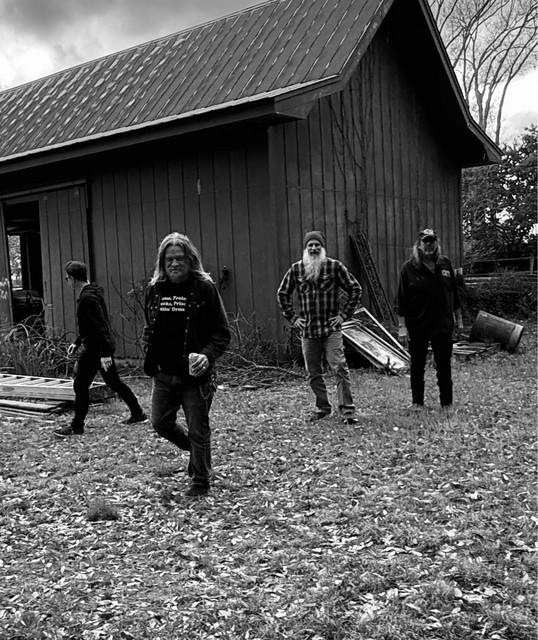
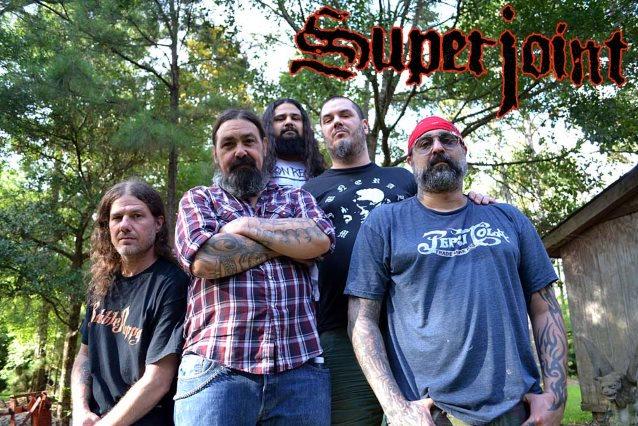
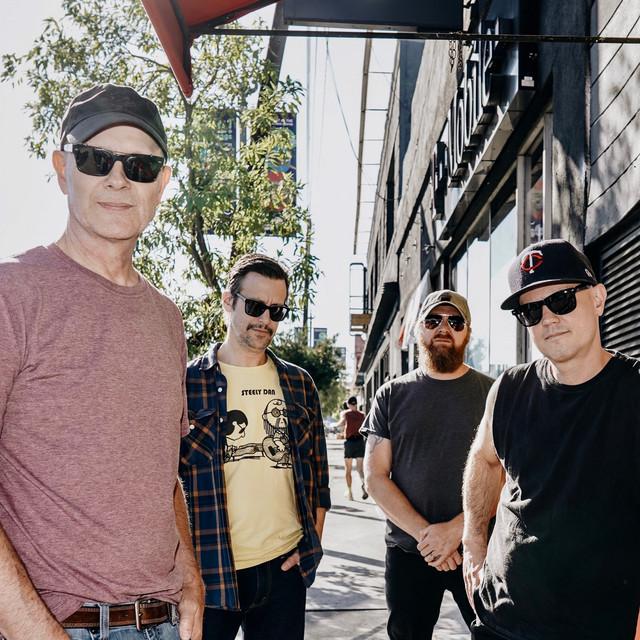
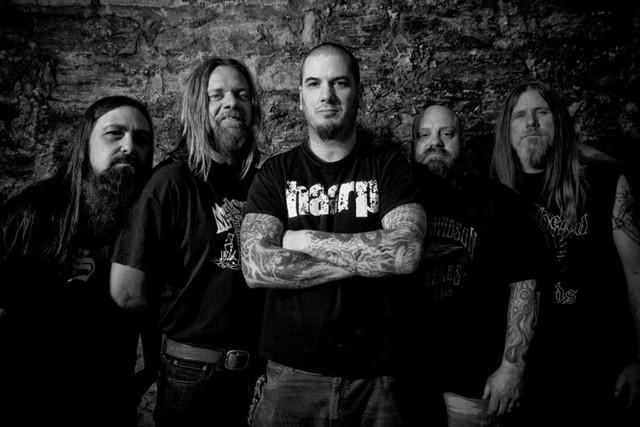
Down’s Spotify BioDown are an all-star heavy metal side project whose original lineup consisted of members from Pantera (singer Phil Anselmo), Corrosion of Conformity (guitarist Pepper Keenan), and Crowbar (guitarist Kirk Windstein, bassist Todd Strange, and drummer Jimmy Bower). Formed in the mid-'90s when Pantera were on a brief break (between their Far Beyond Driven and The Great Southern Trendkill releases), the quartet's members had been longtime friends and decided to break up their downtime (hence their name).
The EastWest label issued Down's 1995 debut, NOLA, an abbreviation for New Orleans, where all the group's original members came from. While many assumed that the band would specialize in over the top, extreme metal, it contained more elements of classic rock than the members' usual bands (a prime influence of the group being Black Sabbath). The album eventually went platinum in America, but after a supporting tour wrapped up, little was heard from the group; the members had returned to their… full-time projects, leading many to assume that Down were a one-off. But Anselmo, Keenan, and Bower reconvened to work on new material in 2001, with Pantera bassist Rex Brown taking Strange's spot in the lineup.
March 2002 saw the release of Down's long-awaited sophomore effort, Down II: A Bustle in Your Hedgerow. A third volume, Down III: Over the Under, followed in 2007, including Anselmo and Keenan with Windstein. In 2010 phil took some time off to produce Strangers with Guns
Viberate is a music analytics platform built for A&Rs, artist managers, labels, booking agents, marketers, and artists.
It helps music professionals track artist growth, analyze audience data, monitor playlist activity, compare artists, follow song performance, and identify opportunities across the music market.
Public artist pages provide a free preview of selected artist data. Paid plans provide access to deeper analytics, historical data, charts, comparisons, playlist tools, exports, alerts, reports, and additional professional features.
Yes. Public Viberate artist pages provide selected artist analytics and music data for free.
Viberate also offers a 7-day free trial of the full platform. A credit card is required to start the trial. The trial includes access to the complete product so users can test deeper artist analytics, historical views, playlist insights, comparisons, charts, exports, alerts, and reporting features before choosing a paid plan.
Viberate provides artist analytics across streaming, playlists, social media, video, radio airplay, songs, and audience markets.
Users can analyze Spotify performance, Spotify and Apple Music playlists, YouTube activity, TikTok and Instagram growth, radio spins, song performance, audience locations, demographics, rankings, and overall artist momentum.
Artist profiles also connect to music charts, similar artists, and comparison tools, helping users benchmark performance and evaluate artists in context.
Viberate updates key artist and track data daily.
For followed artists and tracks, selected data is refreshed multiple times per day. This helps teams monitor playlist changes, streaming movement, audience growth, releases, and campaign performance with more current data.
Update frequency can vary depending on the metric and data source.
Yes. Viberate lets users compare up to five artists side by side across streaming, social media, audience, and engagement metrics.
Users can compare fanbase growth, audience demographics, locations, Spotify performance, social metrics, and other artist data over selected time periods.
Artist comparison can be used for A&R scouting, benchmarking, booking decisions, campaign planning, and evaluating artists with similar audiences or market positions.