Björn Afzelius

Pop
Mainstream Pop
Contemporary R&B
 Viberate Rank: 92481
 Viberate Rank: 92481
 Monthly ListenersFollowers
 Subscribers
 Followers
 Followers
 FansTop Spotify Songs
| Track | 7-Day Streams | |
|---|---|---|
1 | 66.90K | |
2 | 19.68K | |
3 | 12.77K | |
4 | 11.45K | |
5 | 10.36K |
Top YouTube VideosMonthly ListenersFeatured in Playlists| Playlist | Followers | |
|---|---|---|
1 |  Svenska låtar alla kan! 🇸🇪 Filtr Sweden | 111.64K |
2 |  Visa och vemod Spotify | 96.60K |
3 |  Svenska Klassiker 🇸🇪 hits & favoriter Filtr Sweden | 47.37K |
4 | ROCKABILLY Adam Lund | 35.86K |
5 |  Lugna sommarkvällar🦋 Minna Peterson | 16.19K |
Audience| City | Monthly Listeners | |
|---|---|---|
1 | | 32.57K |
2 | | 22.30K |
3 | | 12.40K |
4 |  | 9.83K |
5 | | 4.07K |
See full performance history, audience data, playlist activity, rankings, comparisons, and more in Viberate music analytics. Start with a free trial, then continue with a paid plan.
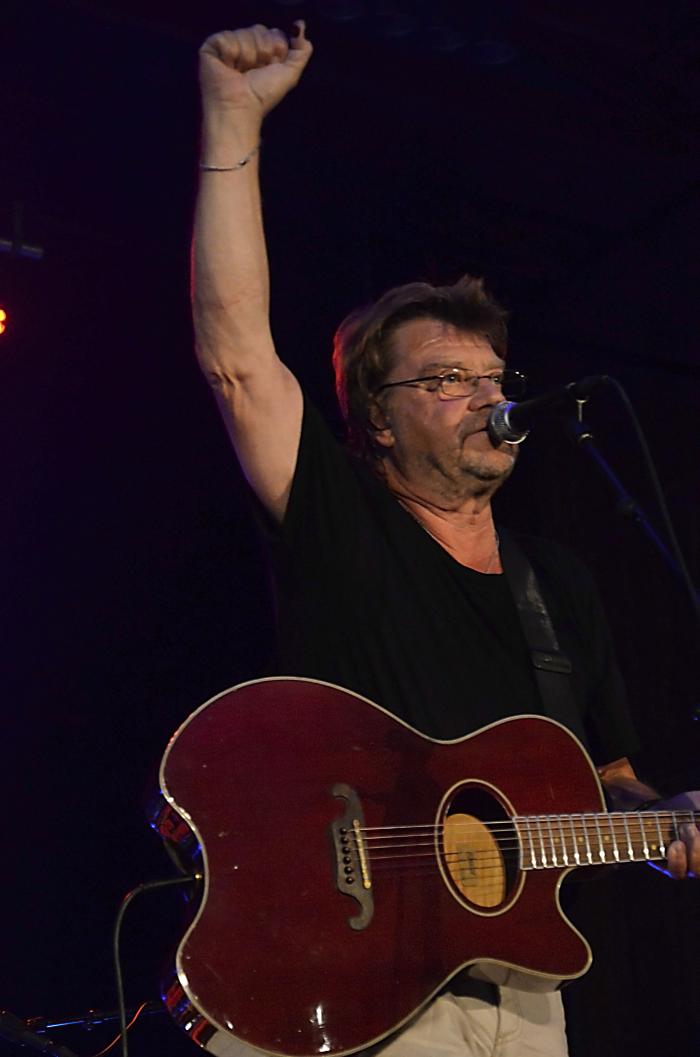
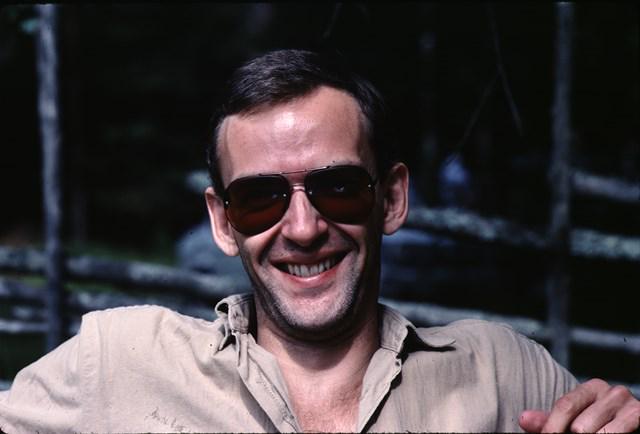
Björn Afzelius’ Spotify BioAs a member of Hoola Bandoola Band, Björn Afzelius was central in the Swedish music movement of the '70s that stressed a political (socialist) message. As a solo artist, and together with Mikael Wiehe, he kept his fame during the '80s and also reached a high popularity in Norway and Denmark. Unlike many other artists from the '70s, he kept a highly political profile through the '80s and '90s, something that at times earned him scorn from the critics. His later albums were commercially successful, if often seen as simple and sentimental, but his last two albums in the '90s fared good with the critics.
Björn Afzelius was born in the small town of Huskvarna, Sweden, in 1947. After moving a number of times with his family, he ended up in Malmö. There he started studying to become a journalist while he sang in the cover bands Moxie and the Thunders. Together with Peter Clemmendson he formed the band Spridda Skurar and they summoned Mikael Wiehe to help them with the songwriting. It ended up… with the three of them forming Hoola Bandoola Band, which was soon to become the most popular band in the Swedish progressive movement. But the band was only progressive when it came to politics, for musically Hoola Bandoola Band played it safer, with catchy pop melodies and harmonies in the style of Crosby, Stills, Nash & Young. Touring and recording intensely, the band only lasted for four years, and in 1974, Afzelius released his first solo album, Vem Är Det Som Är Rädd?, keeping the political message but musically orientating himself towards the singer/songwriter tradition. A reunion by Hoola Bandoola Band took place in 1976, followed by För Kung Och Fosterland, which was a commercial breakthrough for Afzelius as a solo artist. Through the rest of the '70s he formed a couple of bands, including Björn Afzelius Band and the Globetrotters, but was all along mainly a solo artist and was seen as one. The albums released during this time were only semi-successful, until Globetrotter in 1980 revived Afzelius' status in Sweden and made him well-known in Denmark and Norway.
In the '80s he made a number of tours with Mikael Wiehe, and they also released the album Björn Afzelius & Mikael Wiehe together. After this, Afzelius founded his own record company, Rebelle, on which he was to release all his coming albums. Afzelius had all along played in a singer/songwriter tradition, being much inspired by American rock and country, but in the '80s and '90s, his albums started to feel more and more adult contemporary and soft, with the lyrics still being a mix of political comments and love songs. While this harmed his status with the critics, it in no way harmed his commercial success. Tusen Bitar was released in 1990 and was a big success in Sweden, but even more so in Denmark and Norway. The title track was a cover on Anne Linnet's "Mit Hjerte Går I Tusind Stykker," and Afzelius received a Danish Grammy award for Best Foreign Artist. After this he enjoyed his biggest popularity in Denmark, and especially Norway, while keeping a solid but aging audience in Sweden.
Afzelius debuted as a writer in 1993 with the novel En Gång I Havanna, and in 1996, Hoola Bandoola Band reunited once more. The tour was a success, and "Tankar Vid 50," released the next year, received better reviews than most of Afzelius' later albums. But by now his health was deteriorating. In 1999, he finished his last album, Elsinore, while suffering from deadly lung cancer. Only three days after accepting the final changes to the album, he died at a hospital in Göteborg, 52 years old. ~ Lars Lovén, Rovi
Viberate is a music analytics platform built for A&Rs, artist managers, labels, booking agents, marketers, and artists.
It helps music professionals track artist growth, analyze audience data, monitor playlist activity, compare artists, follow song performance, and identify opportunities across the music market.
Public artist pages provide a free preview of selected artist data. Paid plans provide access to deeper analytics, historical data, charts, comparisons, playlist tools, exports, alerts, reports, and additional professional features.
Yes. Public Viberate artist pages provide selected artist analytics and music data for free.
Viberate also offers a 7-day free trial of the full platform. A credit card is required to start the trial. The trial includes access to the complete product so users can test deeper artist analytics, historical views, playlist insights, comparisons, charts, exports, alerts, and reporting features before choosing a paid plan.
Viberate provides artist analytics across streaming, playlists, social media, video, radio airplay, songs, and audience markets.
Users can analyze Spotify performance, Spotify and Apple Music playlists, YouTube activity, TikTok and Instagram growth, radio spins, song performance, audience locations, demographics, rankings, and overall artist momentum.
Artist profiles also connect to music charts, similar artists, and comparison tools, helping users benchmark performance and evaluate artists in context.
Viberate updates key artist and track data daily.
For followed artists and tracks, selected data is refreshed multiple times per day. This helps teams monitor playlist changes, streaming movement, audience growth, releases, and campaign performance with more current data.
Update frequency can vary depending on the metric and data source.
Yes. Viberate lets users compare up to five artists side by side across streaming, social media, audience, and engagement metrics.
Users can compare fanbase growth, audience demographics, locations, Spotify performance, social metrics, and other artist data over selected time periods.
Artist comparison can be used for A&R scouting, benchmarking, booking decisions, campaign planning, and evaluating artists with similar audiences or market positions.