Come

Rock
Alternative Rock
 Viberate Rank: 310739
 Viberate Rank: 310739
 Monthly ListenersFollowers
 Subscribers
 Followers
 Followers
 FansTop Spotify Songs
| Track | 7-Day Streams | |
|---|---|---|
1 | 292 | |
2 | 292 | |
3 | 168 | |
4 | 156 | |
5 | 156 |
Top YouTube VideosMonthly ListenersFeatured in Playlists| Playlist | Followers | |
|---|---|---|
1 |  Duyster (all tracks ever played) Wike | 8.15K |
2 |  Primavera Sound 2023 Barcelona Madrid Le Marchand de Sable | 7.52K |
3 |  IGGY POP 🟢 The Confidential Show. 🟢@ bbc6music Roadrunner Music | 5.21K |
4 |  Reflektor Viertausendhertz | 4.38K |
5 |  90s Alternative Rock & Indie: Hits & Deep Cuts Carefully Curated. | 3.61K |
Audience| City | Monthly Listeners | |
|---|---|---|
1 | | 46 |
2 |  | 44 |
3 |  | 42 |
4 | | 39 |
5 | | 37 |
See full performance history, audience data, playlist activity, rankings, comparisons, and more in Viberate music analytics. Start with a free trial, then continue with a paid plan.
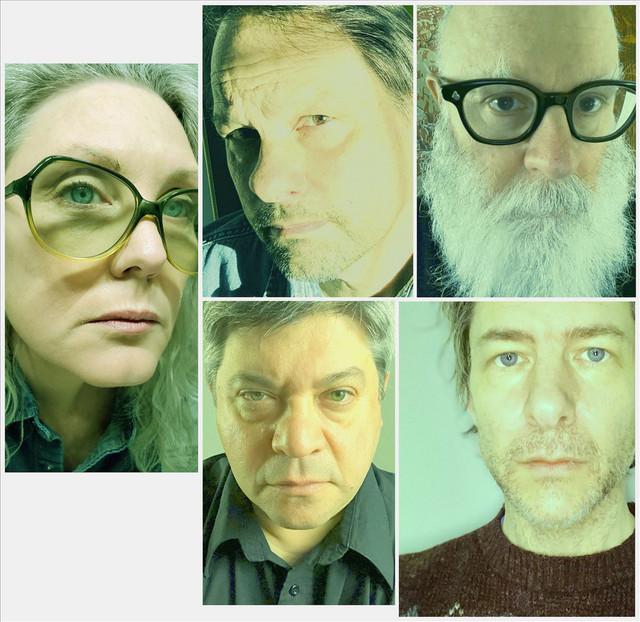
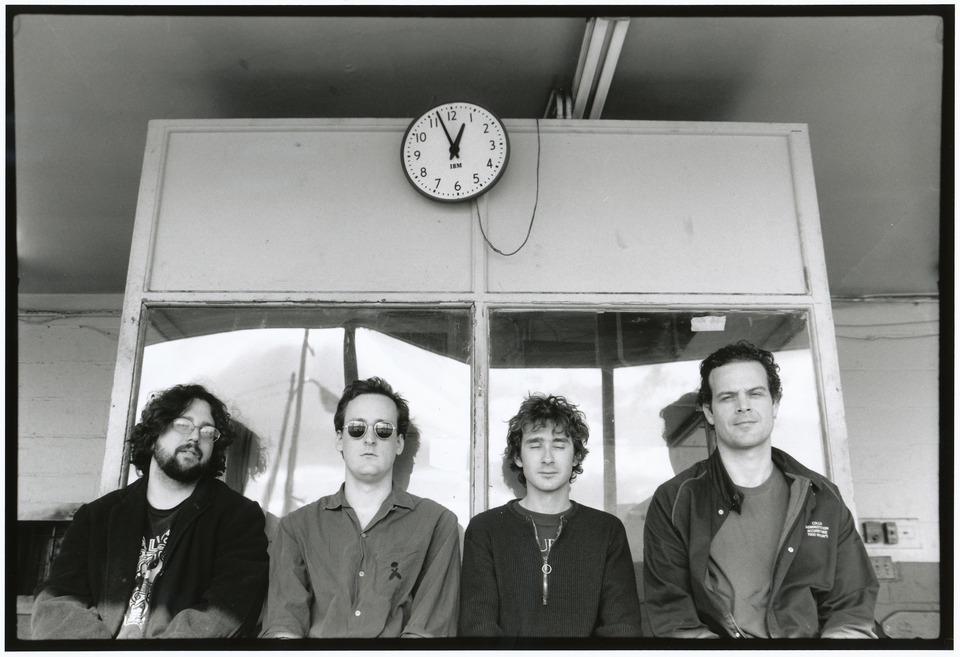
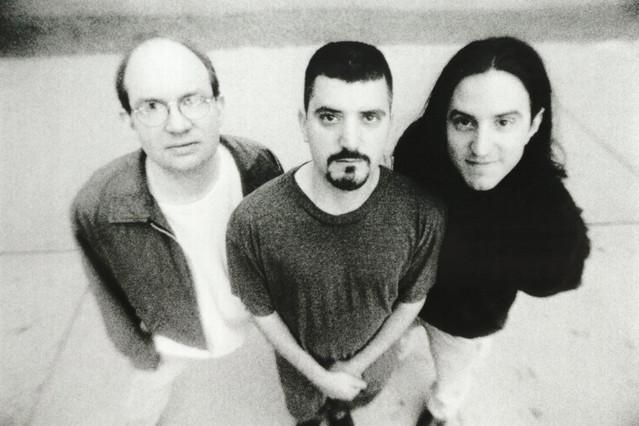
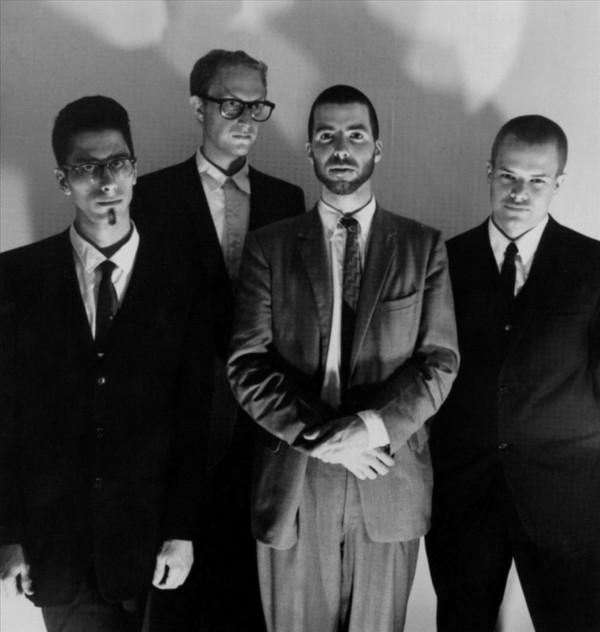
Come’s Spotify BioLed by singer, guitarist, and songwriter Thalia Zedek, Come generated a singular fusion of blues, post-punk, and indie rock, whose dark, dissonant tone is powerful and evocative. The buzz and slash of Zedek's guitar soars and dives over the precise scatter of the rhythm section, while her vocals are a primal howl whose canny use of dynamics adds depth and shading to the challenging emotional landscape of her lyrics. Come made a striking debut with 1992's Eleven : Eleven, they wowed critics with 1994's Don't Ask Don't Tell (widely regarded as their best album), and 1996's Near Life Experience saw them reworking their sound after replacing their original rhythm section.
Born in Washington, D.C. in 1961, Thalia Zedek already had an impressive resumé in underground rock circles before she formed Come in 1990. A fearless personality who was open about her recovery from heroin addiction and her queer sexuality, Zedek started making music in the late '70s after relocating to Boston, and she'd… worked with the groups White Women and Dangerous Birds before founding her own band, a gritty post-punk outfit known as Uzi. Uzi issued one six-song EP for Matador prior to their premature breakup; in the wake of the group's collapse, she accepted an invitation to play guitar in a pre-stardom lineup of White Zombie, moving to New York City to help keep up with their busy schedule.
In 1990, Zedek quit White Zombie and moved back to Boston, putting out feelers about launching a new project. As it happened, guitarist Chris Brokaw (who played drums in the slowcore band Codeine), bassist Sean O'Brien (formerly of the Kilkenny Cats), and drummer Arthur Johnson (ex-Bar-B-Q Killers) had just started a band when they lost their lead singer and guitarist, and they asked Zedek to take his place. Come spent their first year of existence exploring improvisation and jamming together before recording "Car," a single for the Sub Pop label that made them one of the most talked-about new bands in indie rock. Matador Records signed Come, and in just over a week, they recorded 1992's Eleven : Eleven, a keenly atmospheric effort that won rave reviews in the indie music press, while Bob Mould, J. Mascis, and Kurt Cobain all offered praise for the band.
Come delivered their second full-length release in 1994, and Don't Ask Don't Tell received even stronger press than Eleven : Eleven. Former Dream Syndicate leader Steve Wynn showed his admiration for Come by recruiting them to be his backing band for his album Melting in the Dark, which was issued in 1996. That same year, Come issued their third LP, Near Life Experience, but by the time they began work on the project, Sean O'Brien and Arthur Johnson quit the group, and two different rhythm sections sat in for the recordings -- Bundy K. Brown of Tortoise and Mac McNeilly of the Jesus Lizard played on half the songs, while Tara Jane O'Neil (of Rodan and the Sonora Pine) on bass and Kevin Coultas (another Rodan alumnus) on drums handled the chores for the rest of the album.
After touring behind Near Life Experience (which included dates opening for Sugar, Dinosaur Jr., and Sonic Youth), Come began work on album number four, 1998's Gently, Down the Stream, their longest record at 66 minutes, with Zedek and Brokaw joined by bassist Winson Bramen and drummer Daniel Coughlin. Following the touring cycle after Gently, Down the Stream's release, Zedek and Brokaw opted to take a hiatus from the group. The band never fully reunited after that, though Zedek and Brokaw remained on good terms and Come would play occasional reunion shows in the 2000s and 2010s. Chris Brokaw went on to a solo career and recorded with the Lemonheads, Consonant, and the New Year. Thalia Zedek, meanwhile, recorded and toured with her Thalia Zedek Band and in the experimental trio E. In 2021, Come's Don't Ask Don't Tell was reissued in a special expanded edition, adding ten demos, single sides, and unreleased tracks to the original ten-song effort. ~ Mark Deming, Rovi
Viberate is a music analytics platform built for A&Rs, artist managers, labels, booking agents, marketers, and artists.
It helps music professionals track artist growth, analyze audience data, monitor playlist activity, compare artists, follow song performance, and identify opportunities across the music market.
Public artist pages provide a free preview of selected artist data. Paid plans provide access to deeper analytics, historical data, charts, comparisons, playlist tools, exports, alerts, reports, and additional professional features.
Yes. Public Viberate artist pages provide selected artist analytics and music data for free.
Viberate also offers a 7-day free trial of the full platform. A credit card is required to start the trial. The trial includes access to the complete product so users can test deeper artist analytics, historical views, playlist insights, comparisons, charts, exports, alerts, and reporting features before choosing a paid plan.
Viberate provides artist analytics across streaming, playlists, social media, video, radio airplay, songs, and audience markets.
Users can analyze Spotify performance, Spotify and Apple Music playlists, YouTube activity, TikTok and Instagram growth, radio spins, song performance, audience locations, demographics, rankings, and overall artist momentum.
Artist profiles also connect to music charts, similar artists, and comparison tools, helping users benchmark performance and evaluate artists in context.
Viberate updates key artist and track data daily.
For followed artists and tracks, selected data is refreshed multiple times per day. This helps teams monitor playlist changes, streaming movement, audience growth, releases, and campaign performance with more current data.
Update frequency can vary depending on the metric and data source.
Yes. Viberate lets users compare up to five artists side by side across streaming, social media, audience, and engagement metrics.
Users can compare fanbase growth, audience demographics, locations, Spotify performance, social metrics, and other artist data over selected time periods.
Artist comparison can be used for A&R scouting, benchmarking, booking decisions, campaign planning, and evaluating artists with similar audiences or market positions.