Swell

Rock
Indie Rock
Alternative Rock
 Viberate Rank: 215214
 Viberate Rank: 215214
 Monthly ListenersFollowers
 Subscribers
 Followers
 Followers
 FansTop Spotify Songs
| Track | 7-Day Streams | |
|---|---|---|
1 | 5.55K | |
2 | 1.88K | |
3 | 1.70K | |
4 | 824 | |
5 | 757 |
Top YouTube VideosMonthly ListenersFeatured in Playlists| Playlist | Followers | |
|---|---|---|
1 |  Psychedelic Trance Marcel Huber | 65.83K |
2 |  Fall (Numero Group) Numero Group Concierge | 15.35K |
3 |  FIP Radio (en live) Matthou | 13.27K |
4 |  90s shoegaze & soft grunge eva | 11.05K |
5 |  Duyster (all tracks ever played) Wike | 8.15K |
Audience| City | Monthly Listeners | |
|---|---|---|
1 |  | 183 |
2 |  | 176 |
3 |  | 140 |
4 |  | 113 |
5 | | 112 |
See full performance history, audience data, playlist activity, rankings, comparisons, and more in Viberate music analytics. Start with a free trial, then continue with a paid plan.
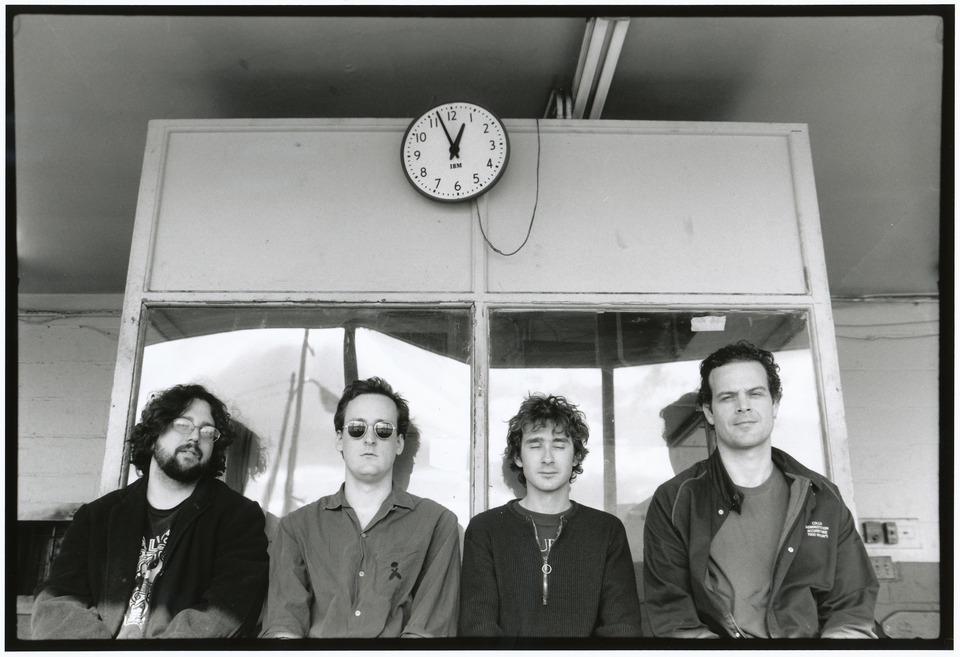
Swell’s Spotify BioAlternating influences from neo-psychedelia, noise pop, and Ennio Morricone film scores, Swell formed in San Francisco in 1989 when vocalist/guitarist David Freel and drummer Sean Kirkpatrick decided to record an album. Enlisting second guitarist John Dettman and bassist Monte Vallier, the band recorded a self-titled debut album and released it on their own Psycho Specific label in April 1990. After playing live for the first time in August -- a support slot for Mazzy Star at San Francisco's I-Beam -- Swell toured around California, and released a second album, Well?, by February 1992. Though Dettman left the band soon after, Freel and Kirkpatrick soldiered on, receiving an offer from Def American Records to give Well? a wide release one year after its first issue. Adding guitarist Tom Hays to replace Dettman, Swell began recording their third album. The LP, 41, was released by American in November 1993. Subsequent efforts include 1997's Too Many Days Without Thinking and 1998's For… All the Beautiful People. Everybody Wants to Know appeared in spring 2001. After the band became inactive, David Freel recorded as a solo act and relocated to Oregon, where he would open a custom vinyl-cutting business. Freel died on April 12, 2022 at the age of 64. ~ John Bush, Rovi
Viberate is a music analytics platform built for A&Rs, artist managers, labels, booking agents, marketers, and artists.
It helps music professionals track artist growth, analyze audience data, monitor playlist activity, compare artists, follow song performance, and identify opportunities across the music market.
Public artist pages provide a free preview of selected artist data. Paid plans provide access to deeper analytics, historical data, charts, comparisons, playlist tools, exports, alerts, reports, and additional professional features.
Yes. Public Viberate artist pages provide selected artist analytics and music data for free.
Viberate also offers a 7-day free trial of the full platform. A credit card is required to start the trial. The trial includes access to the complete product so users can test deeper artist analytics, historical views, playlist insights, comparisons, charts, exports, alerts, and reporting features before choosing a paid plan.
Viberate provides artist analytics across streaming, playlists, social media, video, radio airplay, songs, and audience markets.
Users can analyze Spotify performance, Spotify and Apple Music playlists, YouTube activity, TikTok and Instagram growth, radio spins, song performance, audience locations, demographics, rankings, and overall artist momentum.
Artist profiles also connect to music charts, similar artists, and comparison tools, helping users benchmark performance and evaluate artists in context.
Viberate updates key artist and track data daily.
For followed artists and tracks, selected data is refreshed multiple times per day. This helps teams monitor playlist changes, streaming movement, audience growth, releases, and campaign performance with more current data.
Update frequency can vary depending on the metric and data source.
Yes. Viberate lets users compare up to five artists side by side across streaming, social media, audience, and engagement metrics.
Users can compare fanbase growth, audience demographics, locations, Spotify performance, social metrics, and other artist data over selected time periods.
Artist comparison can be used for A&R scouting, benchmarking, booking decisions, campaign planning, and evaluating artists with similar audiences or market positions.