Fake Problems

Rock
Indie Rock
Folk Punk
 Viberate Rank: 238917
 Viberate Rank: 238917
 Monthly ListenersFollowers
 Subscribers
 Followers
 Followers
 FansTop Spotify Songs
| Track | 7-Day Streams | |
|---|---|---|
1 | 2.26K | |
2 | 697 | |
3 | 397 | |
4 | 282 | |
5 | 191 |
Top YouTube VideosMonthly ListenersFeatured in Playlists| Playlist | Followers | |
|---|---|---|
1 |  Urban Outfitters | Heard It At UO Urban Outfitters | 12.86K |
2 | Come On Eileen briannitas | 7.99K |
3 |  Rock Band DLC Rock Band | 6.76K |
4 |  Punk Rock Radio Nick Worthington | 4.83K |
5 | The Gaslight Anthem's Weekly Playlist the_gaslight_anthem | 4.15K |
Audience| City | Monthly Listeners | |
|---|---|---|
1 | | 216 |
2 | | 177 |
3 | | 172 |
4 |  | 156 |
5 | | 141 |
See full performance history, audience data, playlist activity, rankings, comparisons, and more in Viberate music analytics. Start with a free trial, then continue with a paid plan.
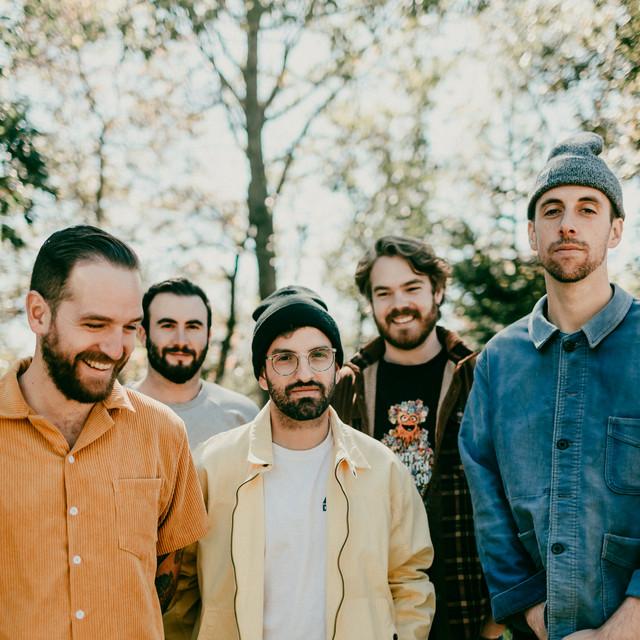
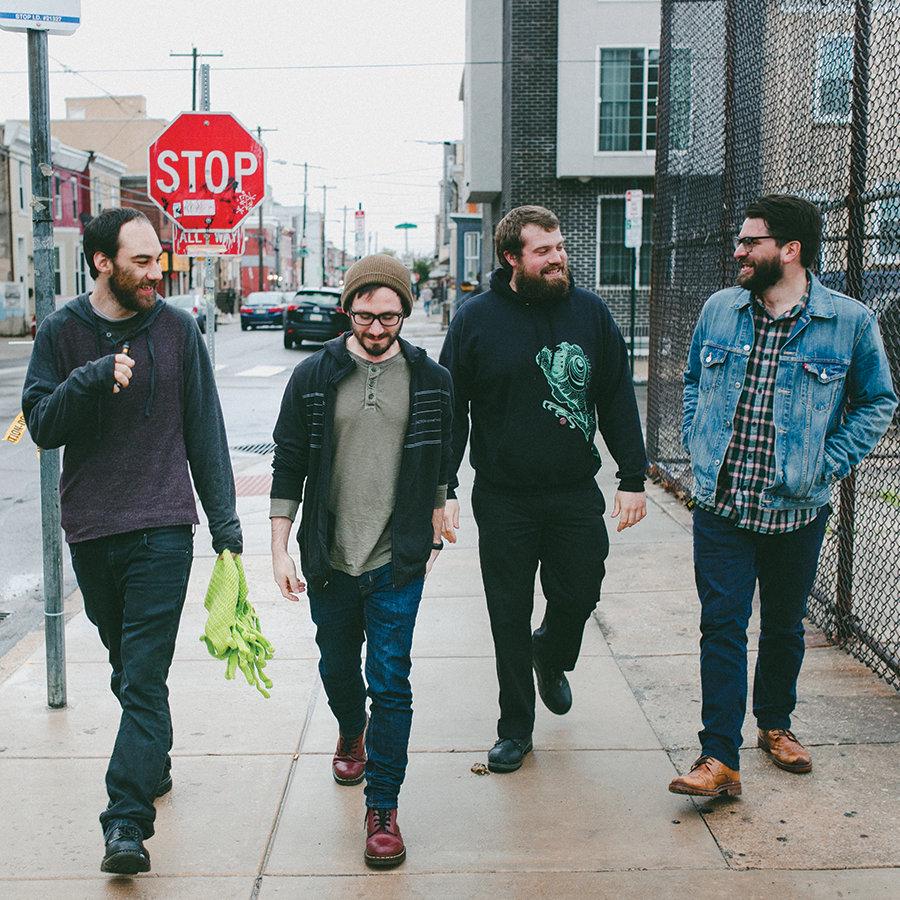
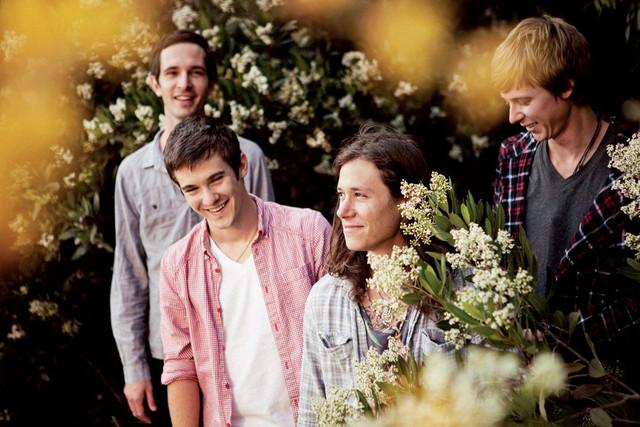
Fake Problems’ Spotify BioOriginally planned as a solo project for vocalist/guitarist Chris Farren, Fake Problems are a four-piece band hailing from the Southern coastal vacation town of Naples, FL. Occupying the space between alt-country, folk, and indie pop with an added dose of punk D.I.Y. appeal, Farren ultimately got together with some high-school buddies -- bassist/vocalist Derek Perry, guitarist Casey Lee, and drummer Sean Stevenson -- to go at it as a full band. The guys played around locally, burning their own CDs and screening their own shirts, eventually booking tours outside of their hometown. Fake Problems first documented their sound on the 2005 album Watching the Bull Get the Matador, though it had some electronic undertones rather than just the twangy country-folk-rock (which could evoke images of early Against Me! alongside Whiskeytown) that later releases would showcase further.
The enthusiastic quartet toured around with O Pioneers!!! during 2006, as the Spurs & Spokes 7" arrived via Sabot… Productions that August. Sabot then issued the roundup EP Spurs & Spokes | Bull > Matador that fall; the release compiled their summer EP with four re-recorded tracks from Fake Problems' then out of print debut. The band continued touring around the southeast U.S. and readied its next album, How Far Our Bodies Go, with producer Rob McGregor (Hot Water Music, Against Me!). Early 2007 dates opening for Against Me! led into the record's April appearance. ~ Corey Apar, Rovi
Viberate is a music analytics platform built for A&Rs, artist managers, labels, booking agents, marketers, and artists.
It helps music professionals track artist growth, analyze audience data, monitor playlist activity, compare artists, follow song performance, and identify opportunities across the music market.
Public artist pages provide a free preview of selected artist data. Paid plans provide access to deeper analytics, historical data, charts, comparisons, playlist tools, exports, alerts, reports, and additional professional features.
Yes. Public Viberate artist pages provide selected artist analytics and music data for free.
Viberate also offers a 7-day free trial of the full platform. A credit card is required to start the trial. The trial includes access to the complete product so users can test deeper artist analytics, historical views, playlist insights, comparisons, charts, exports, alerts, and reporting features before choosing a paid plan.
Viberate provides artist analytics across streaming, playlists, social media, video, radio airplay, songs, and audience markets.
Users can analyze Spotify performance, Spotify and Apple Music playlists, YouTube activity, TikTok and Instagram growth, radio spins, song performance, audience locations, demographics, rankings, and overall artist momentum.
Artist profiles also connect to music charts, similar artists, and comparison tools, helping users benchmark performance and evaluate artists in context.
Viberate updates key artist and track data daily.
For followed artists and tracks, selected data is refreshed multiple times per day. This helps teams monitor playlist changes, streaming movement, audience growth, releases, and campaign performance with more current data.
Update frequency can vary depending on the metric and data source.
Yes. Viberate lets users compare up to five artists side by side across streaming, social media, audience, and engagement metrics.
Users can compare fanbase growth, audience demographics, locations, Spotify performance, social metrics, and other artist data over selected time periods.
Artist comparison can be used for A&R scouting, benchmarking, booking decisions, campaign planning, and evaluating artists with similar audiences or market positions.