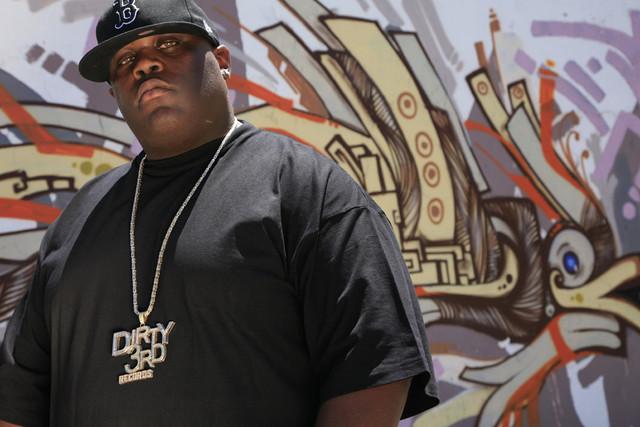
Chalie Boy

Hip Hop
Contemporary Hip Hop
Trap
 Viberate Rank: 37842
 Viberate Rank: 37842
 Monthly ListenersFollowers
 Subscribers
 Followers
 Followers
 FansTop Spotify Songs
| Track | 7-Day Streams | |
|---|---|---|
1 | 288.62K | |
2 | 64.12K | |
3 | 15.77K | |
4 | 10.38K | |
5 | 9.62K |
Top YouTube Videos| Video | 7-Day Views | |
|---|---|---|
1 | 79.28K | |
2 | 47.41K | |
3 | 9.76K | |
4 | 6.00K | |
5 | 4.86K |
Monthly ListenersFeatured in Playlists| Playlist | Followers | |
|---|---|---|
1 | Nick Kin | 152.68K |
2 |  Throwbacks 1990s - 2010’s Marco Benavidez Jr. | 110.92K |
3 |  Club Party Songs joannamarizc | 95.95K |
4 | Freak Nasty Songs 👅 kenbrice22 | 75.82K |
5 |  Millennial Magic Chelsea Waterwall | 71.69K |
Audience| City | Monthly Listeners | |
|---|---|---|
1 | | 19.72K |
2 | | 17.64K |
3 | | 11.88K |
4 | | 10.71K |
5 | | 10.71K |
See full performance history, audience data, playlist activity, rankings, comparisons, and more in Viberate music analytics. Start with a free trial, then continue with a paid plan.
Chalie Boy’s Spotify BioChalie Boy is a Southern rapper and singer from Central Texas who made his major-label debut in 2009 with the breakout hit single "I Look Good." Born Charles Williams in the vicinity of Calvert (the hometown of his father) and Hearne (the hometown of his mother), two small cities in Robertson County, Texas, he began singing in his church choir at the age of three and cites musical influences that include seminal rappers UGK, Run-D.M.C., and Grandmaster Flash & the Furious Five, as well as blues legends Bobby "Blue" Bland, B.B. King, and Johnnie Taylor. As a rapper, he joined the stable of Dirty 3rd Records in 2000 and initially established himself on the mixtape scene as a member of the Freestyle Kingz. Full-length solo efforts such as Making My Way (2004) and Versatyle Child (2006) paved the way for a major-label recording deal with Battery/Jive. His first single, "I Feel Good," was first popular on the Houston radio station KBXX and the Dallas stations KBFB and KKDA before getting… nationwide airplay. As the song became a breakout hit for Chalie Boy, a remix was released featuring well-known Southern rappers Slim Thug, Juvenile, and Bun B. The song eventually peaked at number 20 on Billboard's Hot R&B/Hip-Hop Songs chart. Although Chalie Boy didn't release an album for Jive, he maintained a steady mixtape release schedule with independent titles like Life of an Entertainer (2010), a third volume in his Versatyle Child series (2011), and Chalie (2014). ~ Jason Birchmeier, Rovi
Viberate is a music analytics platform built for A&Rs, artist managers, labels, booking agents, marketers, and artists.
It helps music professionals track artist growth, analyze audience data, monitor playlist activity, compare artists, follow song performance, and identify opportunities across the music market.
Public artist pages provide a free preview of selected artist data. Paid plans provide access to deeper analytics, historical data, charts, comparisons, playlist tools, exports, alerts, reports, and additional professional features.
Yes. Public Viberate artist pages provide selected artist analytics and music data for free.
Viberate also offers a 7-day free trial of the full platform. A credit card is required to start the trial. The trial includes access to the complete product so users can test deeper artist analytics, historical views, playlist insights, comparisons, charts, exports, alerts, and reporting features before choosing a paid plan.
Viberate provides artist analytics across streaming, playlists, social media, video, radio airplay, songs, and audience markets.
Users can analyze Spotify performance, Spotify and Apple Music playlists, YouTube activity, TikTok and Instagram growth, radio spins, song performance, audience locations, demographics, rankings, and overall artist momentum.
Artist profiles also connect to music charts, similar artists, and comparison tools, helping users benchmark performance and evaluate artists in context.
Viberate updates key artist and track data daily.
For followed artists and tracks, selected data is refreshed multiple times per day. This helps teams monitor playlist changes, streaming movement, audience growth, releases, and campaign performance with more current data.
Update frequency can vary depending on the metric and data source.
Yes. Viberate lets users compare up to five artists side by side across streaming, social media, audience, and engagement metrics.
Users can compare fanbase growth, audience demographics, locations, Spotify performance, social metrics, and other artist data over selected time periods.
Artist comparison can be used for A&R scouting, benchmarking, booking decisions, campaign planning, and evaluating artists with similar audiences or market positions.