Cesar Rosas

Reggae
Roots Reggae
 Viberate Rank: 364029
 Viberate Rank: 364029
 Monthly ListenersFollowers
 Subscribers
 Followers
 Followers
 FansTop Spotify Songs
| Track | 7-Day Streams | |
|---|---|---|
1 | 7.75K | |
2 | 203 | |
3 | 197 | |
4 | 193 | |
5 | 49 |
Top YouTube VideosMonthly ListenersFeatured in Playlists| Playlist | Followers | |
|---|---|---|
1 |  This Is Playing For Change Spotify | 29.43K |
2 |  THE BEST OF: PLAYING FOR CHANGE Playing For Change Brasil | 19.16K |
3 | Play For Change Joe Williams | 16.20K |
4 |  Oldies (Sunday Night Oldies) realchuygomez | 10.61K |
5 | Playing For Change classics with the originals Playing For Change | 8.13K |
Audience| City | Monthly Listeners | |
|---|---|---|
1 | | 40 |
2 | | 33 |
3 | | 32 |
4 | | 27 |
5 | | 24 |
See full performance history, audience data, playlist activity, rankings, comparisons, and more in Viberate music analytics. Start with a free trial, then continue with a paid plan.
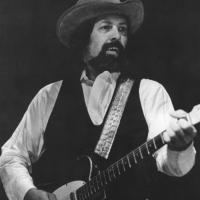
Cesar Rosas’ Spotify BioGuitarist, singer, and songwriter Cesar Rosas is a key member of Los Lobos. While less prolific than the team of David Hidalgo and Louie Perez, his rootsy compositions, fiery guitar playing, and gritty vocals act as an important counterweight in the band's sonic blend. Primarily working from a blues-based foundation, Rosas' compositions for Los Lobos include the hard-rocking "Don't Worry Baby" (from How Will the Wolf Survive?) and "I Can't Understand," co-written with blues giant Willie Dixon, which appeared on The Neighborhood (1990). In addition to his role in Los Lobos, Rosas released Si Se Puede!, his debut solo album on 24/7, and in 1998 appeared as a member of Los Super Seven, the Latin American supergroup. Their self-titled album featured re-interpretations of traditional Mexican folk songs. It was a minor hit and the band became a touring concern. Rosas kept busy, issuing Soul Disguise for Ryko in 1999, a potent blend of rock, blues, soul, and Latin music. He appeared on blues… icon Kid Ramos' self-titled offering for RCA.
In October, a horrible tragedy struck Rosas' family. His wife Sandra disappeared. Her body was found a year later in a shallow grave outside Los Angeles. She had been murdered. Her half- brother Gabriel Gomez was convicted of the crime.
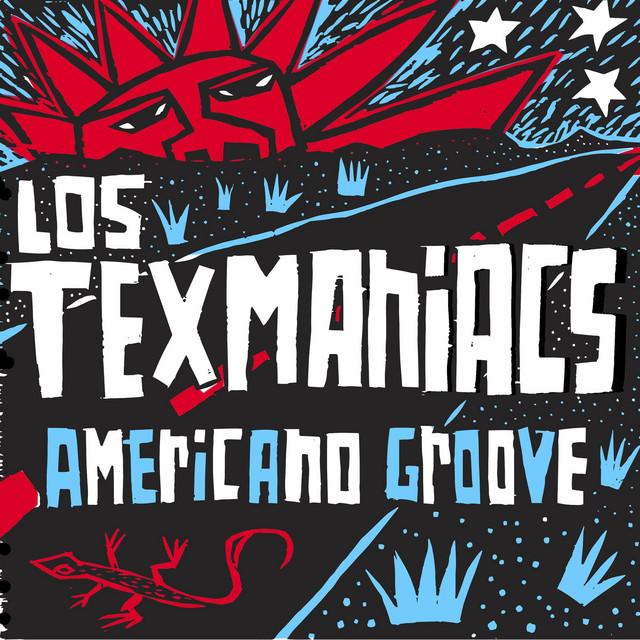
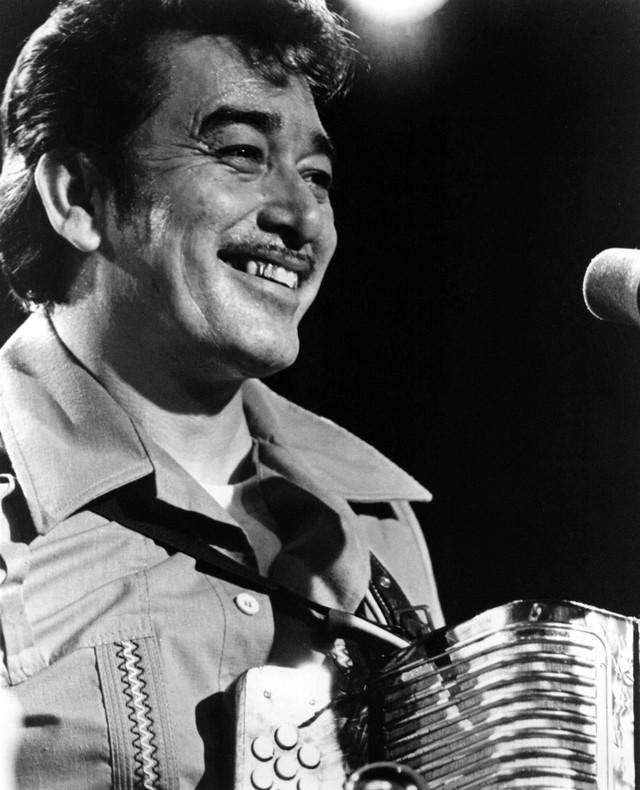
After taking some real time off, Rosas healed himself by remaining busy. His touring and recording duties with Los Lobos and Los Super Seven (the latter recorded two more albums: Canto for Sony in 2001 and Heard It on the X for Telarc in 2005) took up a lot of time but he also took on work as a sideman, appearing on Rick Trevino's Mi Son and on Alejandro Escovedo's conceptual work By the Hand of the Father, and as part of the Texmaniacs with bandmate Hidalgo, Flaco Jimenez, and a host of other Latin luminaries on Tex-Mex Groove in 2006. A month after Los Lobos issued the acclaimed Gates of Gold in November 2015, Rosas emerged the following month with his third solo album, Live from the Galaxy -- backed by accordionist Jimmy Baca, drummer Aaron Ballesteros, bassist Steve Falomir, and keyboardist John Kito -- on the Los Angeles label. ~ Martin Monkman & Thom Jurek, Rovi
Viberate is a music analytics platform built for A&Rs, artist managers, labels, booking agents, marketers, and artists.
It helps music professionals track artist growth, analyze audience data, monitor playlist activity, compare artists, follow song performance, and identify opportunities across the music market.
Public artist pages provide a free preview of selected artist data. Paid plans provide access to deeper analytics, historical data, charts, comparisons, playlist tools, exports, alerts, reports, and additional professional features.
Yes. Public Viberate artist pages provide selected artist analytics and music data for free.
Viberate also offers a 7-day free trial of the full platform. A credit card is required to start the trial. The trial includes access to the complete product so users can test deeper artist analytics, historical views, playlist insights, comparisons, charts, exports, alerts, and reporting features before choosing a paid plan.
Viberate provides artist analytics across streaming, playlists, social media, video, radio airplay, songs, and audience markets.
Users can analyze Spotify performance, Spotify and Apple Music playlists, YouTube activity, TikTok and Instagram growth, radio spins, song performance, audience locations, demographics, rankings, and overall artist momentum.
Artist profiles also connect to music charts, similar artists, and comparison tools, helping users benchmark performance and evaluate artists in context.
Viberate updates key artist and track data daily.
For followed artists and tracks, selected data is refreshed multiple times per day. This helps teams monitor playlist changes, streaming movement, audience growth, releases, and campaign performance with more current data.
Update frequency can vary depending on the metric and data source.
Yes. Viberate lets users compare up to five artists side by side across streaming, social media, audience, and engagement metrics.
Users can compare fanbase growth, audience demographics, locations, Spotify performance, social metrics, and other artist data over selected time periods.
Artist comparison can be used for A&R scouting, benchmarking, booking decisions, campaign planning, and evaluating artists with similar audiences or market positions.