Shifted

Electronic
Techno
Dub Techno
 Viberate Rank: 152259
 Viberate Rank: 152259
 Monthly ListenersFollowers
 Subscribers
 Followers
 Followers
 FansTop Spotify Songs
| Track | 7-Day Streams | |
|---|---|---|
1 | 3.77K | |
2 | 1.29K | |
3 | 566 | |
4 | 357 | |
5 | 331 |
Top YouTube VideosMonthly ListenersFeatured in Playlists| Playlist | Followers | |
|---|---|---|
1 |  BERLIN TECHNO Ferdinand von Eltz-Rübenach | 73.33K |
2 |  Afterlife Worldwide Afterlife Recordings | 51.63K |
3 | Boiler Room Bartholomew Cronin | 51.09K |
4 | Berghain Music Roman Wäger | 39.72K |
5 |  Dub Techno Jimmy Ghaderi | 22.36K |
Audience| City | Monthly Listeners | |
|---|---|---|
1 |  | 693 |
2 | | 311 |
3 |  | 217 |
4 | | 187 |
5 |  | 187 |
See full performance history, audience data, playlist activity, rankings, comparisons, and more in Viberate music analytics. Start with a free trial, then continue with a paid plan.
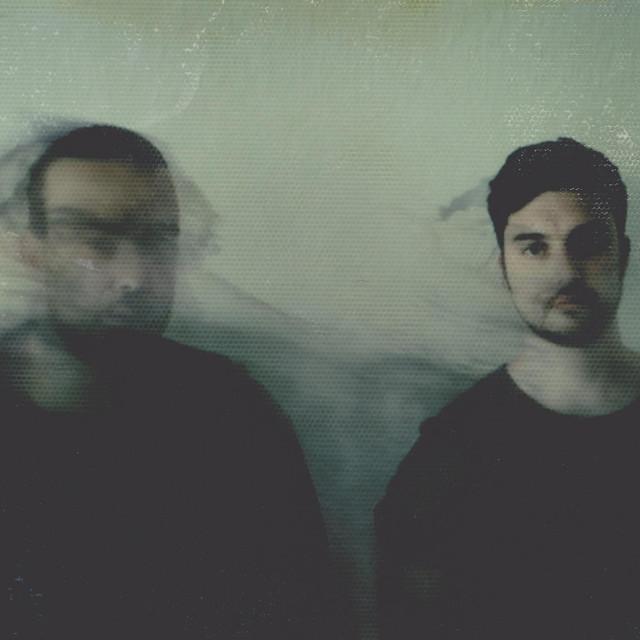
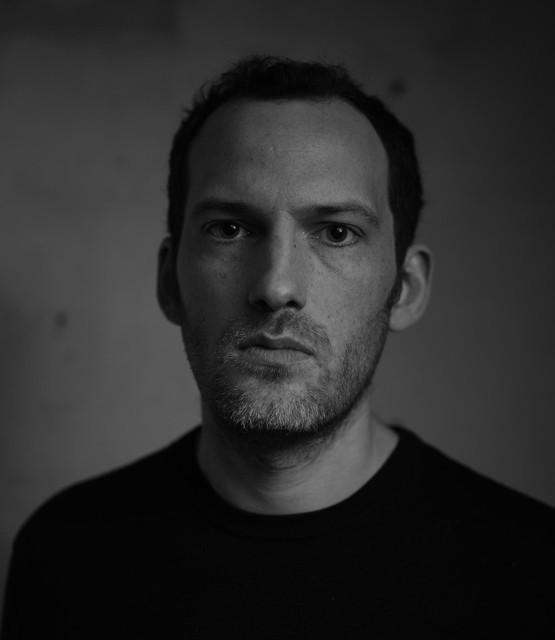
Shifted’s Spotify BioAnonymity is nothing new in music, especially in techno, but for U.K. producer Shifted, it served as the perfect nom de plume to establish a new identity before removing the mask in 2014. When the first Shifted release, the Drained EP, appeared on Luke Slater's Mote Evolver in 2011, the rumor mills went wild guessing the identity of the mysterious producer, and all that was known was that he'd originally served ten-plus years as part of an electronic duo. When Shifted unmasked himself in 2014 as Guy Brewer, it was revealed that he'd originally been part of the successful drum'n'bass duo Commix. After becoming disillusioned with the drum'n'bass scene, Brewer started experimenting with techno, with some tracks ending up in the hands of Luke Slater. That initial release on Mote Evolver and two more releases in 2011 on his own Avian Records and Sigha's Our Circula Sound, saw his profile expand. A move to Berlin from Cambridge, U.K. saw Brewer immerse himself in the already popular techno… scene in the German city, propelled by the likes of Sandwell District and the infamous Berghain nightclub. Brewer rounded out 2011 with another release, the Control EP, on Mote Evolver as well as an EP for Syndrome Z. Early 2012 saw the producer deliver his debut album, Crossed Paths, which received positive reviews for its take on the deep, drone-infused techno sound; it was preceded by a split single with Finnish DJ and producer Samuli Kemppi. Another release, Sickness by Means of Clairvoyance on Our Circula Sound, appeared toward the end of 2012, along with another EP, Razors, for Mote Evolver. With remixes and DJ slots taking precedence, as well as work under the Alexander Lewis and Covered in Sand guises, 2013 was reasonably quiet for Shifted releases. The beginning of the year saw the release of The Cold Light, Pts. 1 & 2 on Brewer's own Avian Records, while a meeting with Dominick Fernow (Prurient, Vatican Shadow) saw the release of the second Shifted album, Under a Single Banner, on Fernow's own Bed of Nails label at the end of the year. Brewer once again remained reasonably quiet on the production front throughout 2014, with just a handful of remixes seeing the light of day, and the two-part EP Arrangements in Monochrome appearing at the end of the year on Avian. Continuing to DJ and perform live throughout 2015, Brewer returned in 2016 with the three-track EP Six Steps to Resurgence on his own label, Avian. Previously unreleased tracks also appeared on the label Drifting Over, which Brewer set up to release his own productions. A third Shifted album, Appropriation Stories, came at the end of 2016, once again on Dominic Fernow's Hospital Productions. ~ Rich Wilson, Rovi
Viberate is a music analytics platform built for A&Rs, artist managers, labels, booking agents, marketers, and artists.
It helps music professionals track artist growth, analyze audience data, monitor playlist activity, compare artists, follow song performance, and identify opportunities across the music market.
Public artist pages provide a free preview of selected artist data. Paid plans provide access to deeper analytics, historical data, charts, comparisons, playlist tools, exports, alerts, reports, and additional professional features.
Yes. Public Viberate artist pages provide selected artist analytics and music data for free.
Viberate also offers a 7-day free trial of the full platform. A credit card is required to start the trial. The trial includes access to the complete product so users can test deeper artist analytics, historical views, playlist insights, comparisons, charts, exports, alerts, and reporting features before choosing a paid plan.
Viberate provides artist analytics across streaming, playlists, social media, video, radio airplay, songs, and audience markets.
Users can analyze Spotify performance, Spotify and Apple Music playlists, YouTube activity, TikTok and Instagram growth, radio spins, song performance, audience locations, demographics, rankings, and overall artist momentum.
Artist profiles also connect to music charts, similar artists, and comparison tools, helping users benchmark performance and evaluate artists in context.
Viberate updates key artist and track data daily.
For followed artists and tracks, selected data is refreshed multiple times per day. This helps teams monitor playlist changes, streaming movement, audience growth, releases, and campaign performance with more current data.
Update frequency can vary depending on the metric and data source.
Yes. Viberate lets users compare up to five artists side by side across streaming, social media, audience, and engagement metrics.
Users can compare fanbase growth, audience demographics, locations, Spotify performance, social metrics, and other artist data over selected time periods.
Artist comparison can be used for A&R scouting, benchmarking, booking decisions, campaign planning, and evaluating artists with similar audiences or market positions.