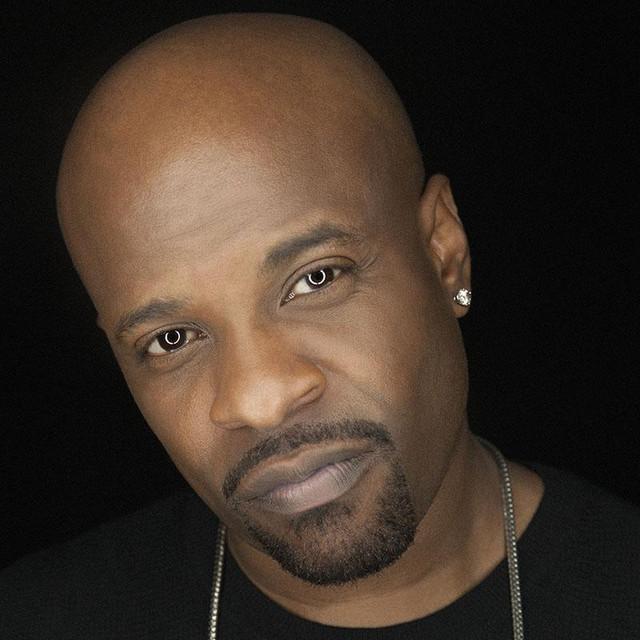
Case

R&B
Contemporary R&B
Soul
 Viberate Rank: 10419
 Viberate Rank: 10419
 Monthly ListenersFollowers
 Subscribers
 Followers
 Followers
 FansTop Spotify Songs
| Track | 7-Day Streams | |
|---|---|---|
1 | 538.85K | |
2 | 279.94K | |
3 | 183.35K | |
4 | 118.19K | |
5 | 91.57K |
Top YouTube Videos| Video | 7-Day Views | |
|---|---|---|
1 | 240.05K | |
2 | 154.44K | |
3 | 143.07K | |
4 | 39.48K | |
5 | 15.99K |
Monthly ListenersFeatured in Playlists| Playlist | Followers | |
|---|---|---|
1 |  I Love My '00s R&B Spotify | 4.81M |
2 |  Gold School Spotify | 4.00M |
3 |  mid:nite storm Spotify | 1.00M |
4 |  Film & TV Favorites: 90s Black Cinema Spotify | 954.48K |
5 |  Best Rap Songs of All Time IndieMassive Hits | 510.81K |
Audience| City | Monthly Listeners | |
|---|---|---|
1 |  | 53.87K |
2 | | 27.01K |
3 | | 24.47K |
4 | | 22.63K |
5 | | 22.16K |
See full performance history, audience data, playlist activity, rankings, comparisons, and more in Viberate music analytics. Start with a free trial, then continue with a paid plan.
Case’s Spotify BioA native New Yorker, Case got his start in the music biz in the '90s, singing backup on albums by several renowned R&B artists (such as Usher). Signed to the Def Jam label in the mid-'90s, Case issued his self-titled debut in 1996, followed by Personal Conversation in 1999 and Open Letter in 2001. On the latter release, Case wrote each song with a different person in mind ("A Song for Skye" was written for his daughter, while the tracks "Love of My Life" and "Shine" were inspired by the great Stevie Wonder). Case was joined by such big-name producers as Jimmy Jam, Terry Lewis, and Tim & Bob. In 2004 he asked to be released from his Def Jam contract in order to launch his own label, Indigo Blue. In 2009 The Rose Experience became the first release for the label. He switched to Real Talk Entertainment for 2010's Here, My Love, and moved to eOne for 2015's Heaven's Door. ~ Greg Prato, Rovi
Viberate is a music analytics platform built for A&Rs, artist managers, labels, booking agents, marketers, and artists.
It helps music professionals track artist growth, analyze audience data, monitor playlist activity, compare artists, follow song performance, and identify opportunities across the music market.
Public artist pages provide a free preview of selected artist data. Paid plans provide access to deeper analytics, historical data, charts, comparisons, playlist tools, exports, alerts, reports, and additional professional features.
Yes. Public Viberate artist pages provide selected artist analytics and music data for free.
Viberate also offers a 7-day free trial of the full platform. A credit card is required to start the trial. The trial includes access to the complete product so users can test deeper artist analytics, historical views, playlist insights, comparisons, charts, exports, alerts, and reporting features before choosing a paid plan.
Viberate provides artist analytics across streaming, playlists, social media, video, radio airplay, songs, and audience markets.
Users can analyze Spotify performance, Spotify and Apple Music playlists, YouTube activity, TikTok and Instagram growth, radio spins, song performance, audience locations, demographics, rankings, and overall artist momentum.
Artist profiles also connect to music charts, similar artists, and comparison tools, helping users benchmark performance and evaluate artists in context.
Viberate updates key artist and track data daily.
For followed artists and tracks, selected data is refreshed multiple times per day. This helps teams monitor playlist changes, streaming movement, audience growth, releases, and campaign performance with more current data.
Update frequency can vary depending on the metric and data source.
Yes. Viberate lets users compare up to five artists side by side across streaming, social media, audience, and engagement metrics.
Users can compare fanbase growth, audience demographics, locations, Spotify performance, social metrics, and other artist data over selected time periods.
Artist comparison can be used for A&R scouting, benchmarking, booking decisions, campaign planning, and evaluating artists with similar audiences or market positions.