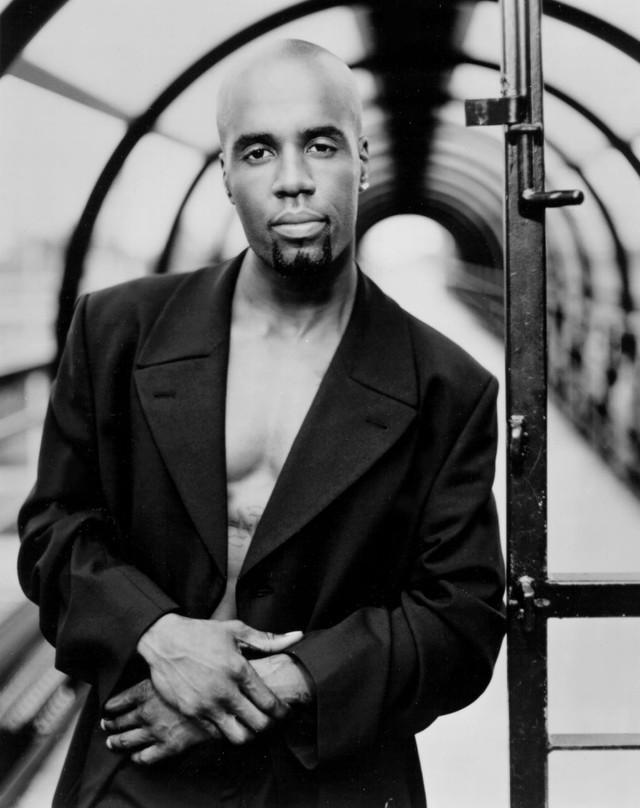
Carl Thomas

R&B
Contemporary R&B
Neo Soul
 Viberate Rank: 13470
 Viberate Rank: 13470
 Monthly ListenersFollowers
 Subscribers
 Followers
 Followers
 FansTop Spotify Songs
| Track | 7-Day Streams | |
|---|---|---|
1 | 163.20K | |
2 | 89.27K | |
3 | 51.61K | |
4 | 43.49K | |
5 | 19.25K |
Top YouTube VideosMonthly ListenersFeatured in Playlists| Playlist | Followers | |
|---|---|---|
1 |  90's Hip Hop Don't Stop Topsify US | 484.05K |
2 | 2000s R&B & Hip-Hop Playlist RSullivan | 331.27K |
3 |  Tupac Greatest Hits - All Songs Gay Nation Boys | 107.66K |
4 | Top G | 103.15K |
5 | Slow Jams Michelle Kadir | 76.22K |
Audience| City | Monthly Listeners | |
|---|---|---|
1 | | 18.07K |
2 | | 15.46K |
3 |  | 15.01K |
4 | | 14.84K |
5 | | 13.27K |
See full performance history, audience data, playlist activity, rankings, comparisons, and more in Viberate music analytics. Start with a free trial, then continue with a paid plan.
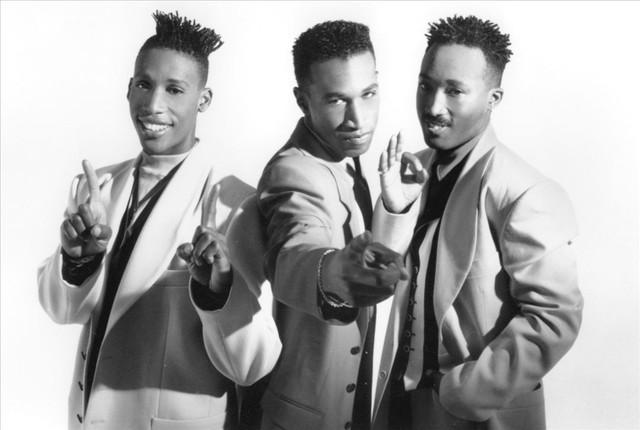
Carl Thomas’ Spotify BioA gifted R&B singer whose cool but passionate style is a solid match for his flexible vocal abilities, Carl Thomas was born in Aurora, Illinois (a suburb of Chicago) on June 15, 1972. After graduating from high school, Thomas moved to Chicago to pursue a career in music, and for a while sang with a vocal group called the Fourmula, who scored a minor hit in 1994 with the tune "Pass It Over." In the mid-'90s, Thomas relocated to Brooklyn, New York, and began playing open-mike nights and showcase gigs in hopes of making a name for himself as a solo artist. In 1997, Thomas was spotted at one such performance by Sean "Puffy" Combs (aka P Diddy and Puff Daddy), who liked what he heard and promptly signed the singer to his Bad Boy Entertainment label. Initially, Thomas sang R&B-styled backups on sessions for hip-hop acts such as the Notorious B.I.G., the LOX, LL Cool J, N.O.R.E., and Puff Daddy, and it wasn't until 2000 that Thomas' first full-length album, Emotional, was released. On the… strength of the hit singles "I Wish" and "Summer Rain," Emotional sold over a million copies, but it would be four years (marked by plenty of touring and many more guest spots on albums by others) before Thomas released his follow-up. The timing of 2004's Let's Talk About It proved unfortunate; Thomas' brother died as the result of a drive-by shooting shortly before it came out, and the singer opted not to tour as he dealt with the emotional fallout, which compromised the album's promotional campaign. In time, Thomas dissolved his relationship with Bad Boy, and he was briefly signed to Interscope, contributing vocals to "Dumpin'," a track on the posthumous 2Pac album Pac's Life, released in 2006. That same year, Thomas joined Yolanda Adams, Chaka Khan, and Gerald Levert to record the song "Everyday (Family Reunion)" for the movie Tyler Perry's Madea's Family Reunion; the performance earned a Grammy nomination. In 2007, Thomas' third album, So Much Better, was released by the independent Umbrella label. In early 2011, Thomas signed a new deal with Verve Music, and his fourth album, Conquer, was released in December of that year. ~ Mark Deming, Rovi
Viberate is a music analytics platform built for A&Rs, artist managers, labels, booking agents, marketers, and artists.
It helps music professionals track artist growth, analyze audience data, monitor playlist activity, compare artists, follow song performance, and identify opportunities across the music market.
Public artist pages provide a free preview of selected artist data. Paid plans provide access to deeper analytics, historical data, charts, comparisons, playlist tools, exports, alerts, reports, and additional professional features.
Yes. Public Viberate artist pages provide selected artist analytics and music data for free.
Viberate also offers a 7-day free trial of the full platform. A credit card is required to start the trial. The trial includes access to the complete product so users can test deeper artist analytics, historical views, playlist insights, comparisons, charts, exports, alerts, and reporting features before choosing a paid plan.
Viberate provides artist analytics across streaming, playlists, social media, video, radio airplay, songs, and audience markets.
Users can analyze Spotify performance, Spotify and Apple Music playlists, YouTube activity, TikTok and Instagram growth, radio spins, song performance, audience locations, demographics, rankings, and overall artist momentum.
Artist profiles also connect to music charts, similar artists, and comparison tools, helping users benchmark performance and evaluate artists in context.
Viberate updates key artist and track data daily.
For followed artists and tracks, selected data is refreshed multiple times per day. This helps teams monitor playlist changes, streaming movement, audience growth, releases, and campaign performance with more current data.
Update frequency can vary depending on the metric and data source.
Yes. Viberate lets users compare up to five artists side by side across streaming, social media, audience, and engagement metrics.
Users can compare fanbase growth, audience demographics, locations, Spotify performance, social metrics, and other artist data over selected time periods.
Artist comparison can be used for A&R scouting, benchmarking, booking decisions, campaign planning, and evaluating artists with similar audiences or market positions.