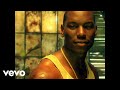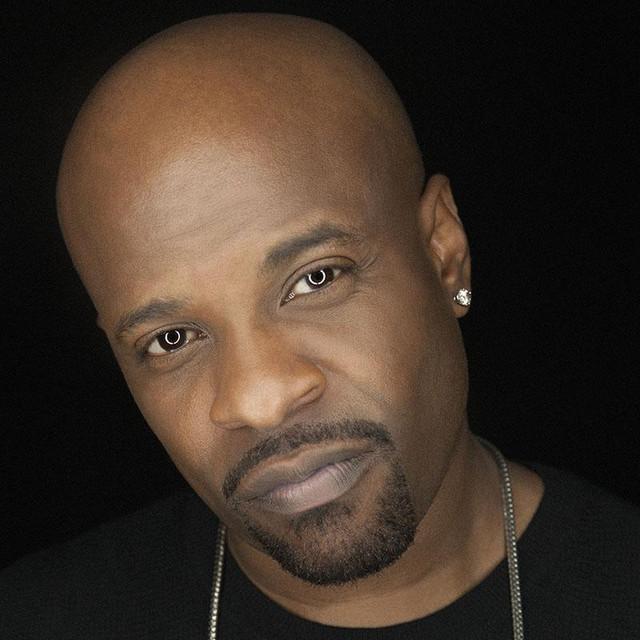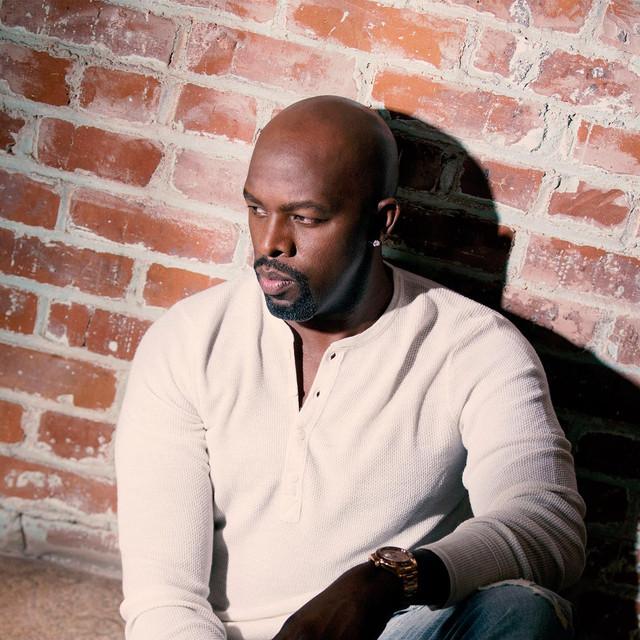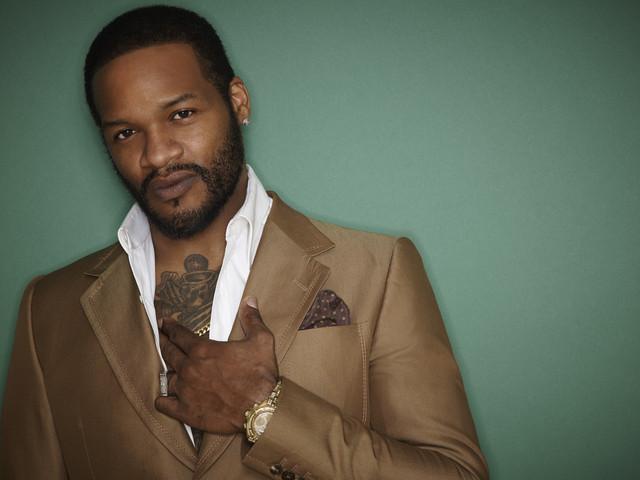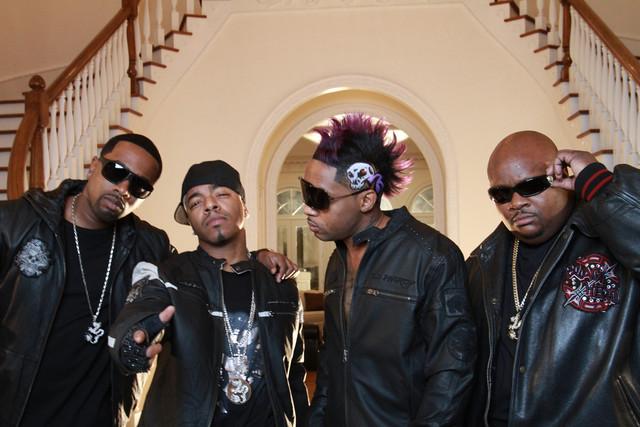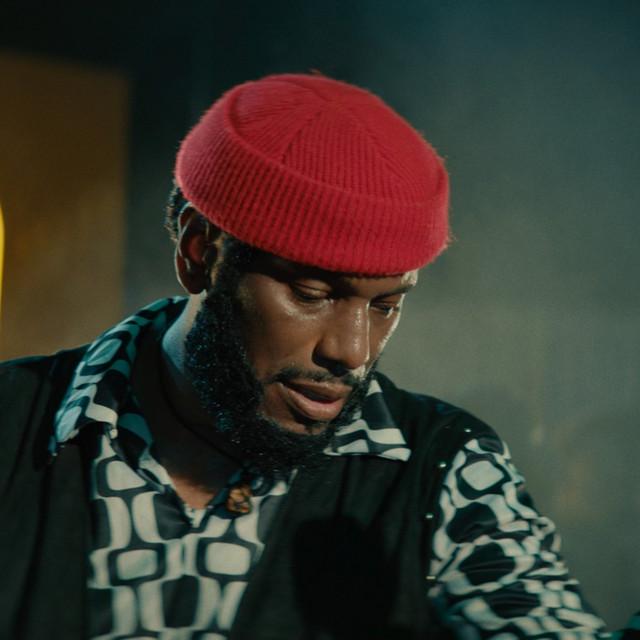
Tyrese

R&B
Contemporary R&B
 Viberate Rank: 1773
 Viberate Rank: 1773
 Monthly ListenersFollowers
 Subscribers
 Followers
 Followers
 FansTop Spotify Songs
| Track | 7-Day Streams | |
|---|---|---|
1 | 501.63K | |
2 | 474.43K | |
3 | 348.51K | |
4 | 86.80K | |
5 | 78.08K |
Top YouTube Videos| Video | 7-Day Views | |
|---|---|---|
1 | 541.95K | |
2 | 331.35K | |
3 | 152.20K | |
4 | 143.07K | |
5 | 96.81K |
Monthly ListenersFeatured in Playlists| Playlist | Followers | |
|---|---|---|
1 |  I Love My '00s R&B Spotify | 4.81M |
2 |  I Love My '90s R&B Spotify | 3.89M |
3 |  Silk Sheets Spotify | 2.30M |
4 |  R&B Classics 90s & 2000s - Best Old School RnB Hits Playlist - Usher, Chris Brown, Ne-Yo, Mario Esydia | 1.79M |
5 |  Soulful Day Spotify | 1.01M |
Audience| City | Monthly Listeners | |
|---|---|---|
1 |  | 74.64K |
2 | | 32.80K |
3 | | 31.66K |
4 | | 31.53K |
5 | | 30.83K |
See full performance history, audience data, playlist activity, rankings, comparisons, and more in Viberate music analytics. Start with a free trial, then continue with a paid plan.
Tyrese’s Spotify BioAlong with a successful acting career across film and television, Tyrese keeps the flame for traditional R&B burning by drawing deep from his soul with gutsy vocals and candid songwriting. Representing the Los Angeles neighborhood of Watts, Tyrese made a memorable debut in 1998 with a self-titled album studded by a pair of Top 40 pop hits in "Nobody Else" and "Sweet Lady," the latter of which became his first of several Grammy-nominated recordings. The singer's sound gradually shed post-Timbaland R&B with slight pop flavoring to fully embrace a tough yet graceful strain of contemporary soul. I Wanna Go There (2002), his third album, featured a Top Ten pop hit with "How You Gonna Act Like That," and he placed two more LPs in the R&B/hip-hop Top Ten before he crowned the Billboard 200 with Black Rose (2015), a triumph that followed his collaboration with Tank and Ginuwine as TGT. Tyrese intended Black Rose to be his parting gift to listeners, but he returned the following decade with… Beautiful Pain (2024), a throwback-styled effort inspired by his divorce.
Tyrese, full name Tyrese Darnell Gibson, began his career at the age of 14, performing in talent shows in and around Los Angeles, where he was born and raised. His first break came when he starred in a commercial for Coca-Cola -- his high school music teacher encouraged him to audition -- which was followed by roles in other ads and the sitcoms Hangin' with Mr. Cooper and Martin, and the signing of a recording contract with major-label RCA. Tyrese made his recorded debut in August 1998 with "Nobody Else," a slick, midtempo love song that went Top 40 pop and generated anticipation for his first album. Tyrese arrived a few weeks later and hit number 17 on the Billboard 200. Additional pushes from "Sweet Lady," a number 12 pop hit made with Troy Taylor, Charles Farrar, and Johntá Austin, and "Lately," a number 12 R&B/hip-hop collaboration with Derek "DOA" Allen, helped the album achieve platinum status. The first of those two ballads was Tyrese's first Grammy-nominated recording, a contender for Best Male R&B Vocal Performance. In addition to continued acting work, Tyrese subsequently lent songs to the soundtracks of The Best Man and Blue Streak. For the former, he teamed with future TGT partner Ginuwine (along with Case and Next's RL) for his fourth Top 20 R&B/hip-hop single, "The Best Man I Can Be."
Follow-up album 2000 Watts, titled in reference to the neighborhood in which Tyrese grew up, was issued in May 2001, the year the singer starred in John Singleton's Baby Boy. The Top Ten LP featured a generally higher-profile roster of writers and producers and yielded three charting singles led by "I Like Them Girls," a collaboration with the Underdogs. Tyrese moved from RCA to J Records and in December 2002 returned with I Wanna Go There. The tender if confrontational "How You Gonna Act Like That," another Underdogs production, became Tyrese's biggest hit yet, peaking at number seven on the Hot 100 and earning the singer his second Grammy nomination for Best Male R&B Vocal Performance. A break from music ensued as he settled in with the Fast & Furious franchise for the Singleton-directed sequel and landed major roles in other films such as Four Brothers, Annapolis, and Waist Deep. In December 2006, almost exactly four years after the arrival of his third album, he returned with Alter Ego, offering a disc of his typically smooth R&B and one of tough hip-hop, assisted on the latter by the likes of Baby Boy co-star Snoop Dogg, Kurupt, Too $hort, and the Game. Despite Tyrese's extended absence from recording studios, Alter Ego was his fourth consecutive Top Ten R&B/hip-hop album.
The singer and actor joined the Transformers movie franchise, continued with more Fast & Furious installments, and was in other films such as Legion before he released album five, Open Invitation, in November 2011. He asserted to his listeners that music is his top priority, and he was welcomed back again with a number nine entry on the Billboard 200. Made primarily with Brandon "B.A.M." Hodge, Kendrick Dean, and Lil' Ronnie as producers, and released on Tyrese's own label (Voltron Recordz), Open Invitation was highlighted by "Stay," the singer's eighth Top 20 R&B/hip-hop single, and was nominated for Best R&B Album at the 55th Annual Grammy Awards. Tyrese continued to roll with Tank and Ginuwine under the name TGT. The vocal group released the Top Ten, Grammy-nominated album Three Kings in 2013. Within a couple years, Tyrese issued Black Rose with the announcement that it would be his final studio album. The relatively modest and ballad-rich set featured first-rate duets with Brandy and Chrisette Michele and debuted at the top of the Billboard 200. Moreover, "Shame," one of Tyrese's rawest vocal showcases, was nominated for two Grammys: Best Traditional R&B Performance and Best R&B Song.
Tyrese indeed stepped back from music to concentrate on acting with dozens of film and television roles over the next decade. He competed on The Masked Singer in 2021 and ultimately got the music-making bug again. In August 2024, he released the feature-length Beautiful Pain. The supporting cast on the singer's seventh album included El DeBarge, Kenny G, Lenny Kravitz, and Tamar Braxton. ~ Andy Kellman, Rovi
Viberate is a music analytics platform built for A&Rs, artist managers, labels, booking agents, marketers, and artists.
It helps music professionals track artist growth, analyze audience data, monitor playlist activity, compare artists, follow song performance, and identify opportunities across the music market.
Public artist pages provide a free preview of selected artist data. Paid plans provide access to deeper analytics, historical data, charts, comparisons, playlist tools, exports, alerts, reports, and additional professional features.
Yes. Public Viberate artist pages provide selected artist analytics and music data for free.
Viberate also offers a 7-day free trial of the full platform. A credit card is required to start the trial. The trial includes access to the complete product so users can test deeper artist analytics, historical views, playlist insights, comparisons, charts, exports, alerts, and reporting features before choosing a paid plan.
Viberate provides artist analytics across streaming, playlists, social media, video, radio airplay, songs, and audience markets.
Users can analyze Spotify performance, Spotify and Apple Music playlists, YouTube activity, TikTok and Instagram growth, radio spins, song performance, audience locations, demographics, rankings, and overall artist momentum.
Artist profiles also connect to music charts, similar artists, and comparison tools, helping users benchmark performance and evaluate artists in context.
Viberate updates key artist and track data daily.
For followed artists and tracks, selected data is refreshed multiple times per day. This helps teams monitor playlist changes, streaming movement, audience growth, releases, and campaign performance with more current data.
Update frequency can vary depending on the metric and data source.
Yes. Viberate lets users compare up to five artists side by side across streaming, social media, audience, and engagement metrics.
Users can compare fanbase growth, audience demographics, locations, Spotify performance, social metrics, and other artist data over selected time periods.
Artist comparison can be used for A&R scouting, benchmarking, booking decisions, campaign planning, and evaluating artists with similar audiences or market positions.