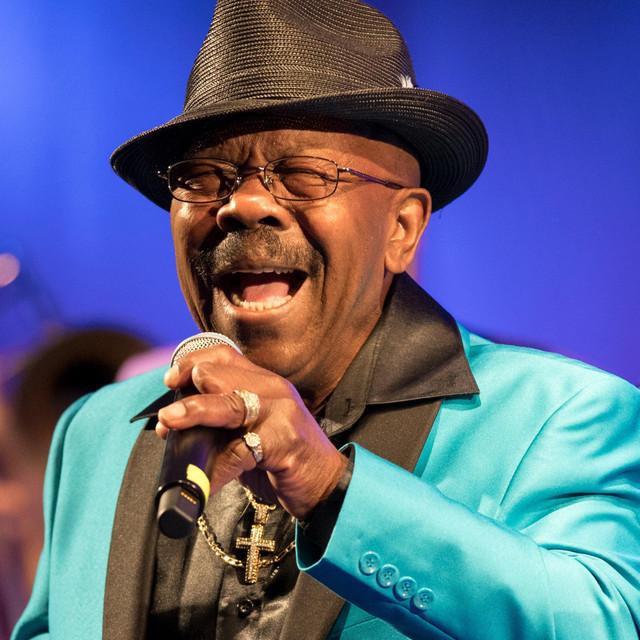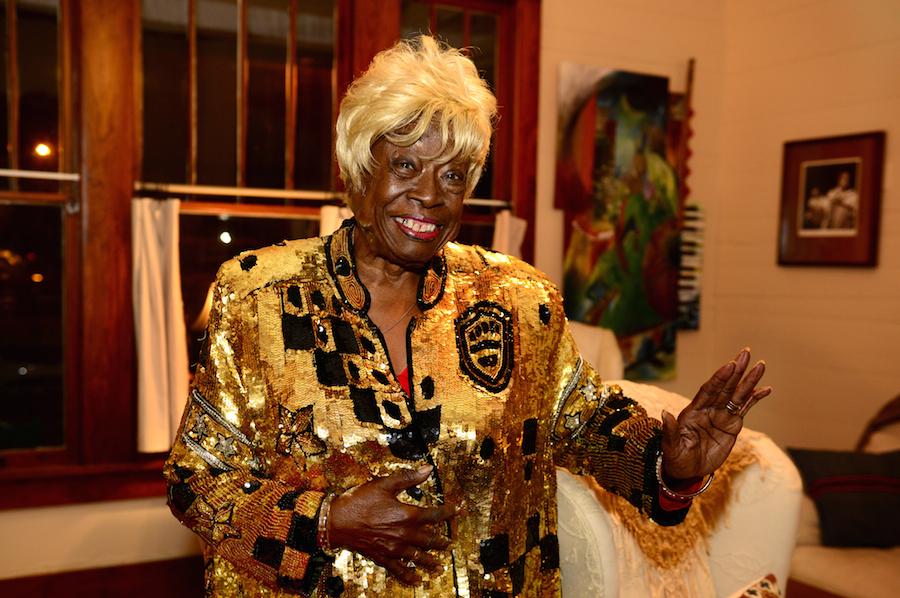
Carol Fran

Blues
Contemporary Blues
Soul
 Viberate Rank: 449160
 Viberate Rank: 449160
 Monthly ListenersFollowers
 Subscribers
 Followers
 Followers
 FansTop Spotify Songs
| Track | 7-Day Streams | |
|---|---|---|
1 | 334 | |
2 | 326 | |
3 | 152 | |
4 | 65 | |
5 | 31 |
Top YouTube VideosMonthly ListenersFeatured in Playlists| Playlist | Followers | |
|---|---|---|
1 |  El Sótano de Radio 3 Groovyfamily | 9.84K |
2 |  WWOZ 90.7 FM (New Orleans Radio) Bryson Whitney | 6.48K |
3 |  French Songs (Chansons, Ye-Ye & Pop) Birgitta Bellman | 3.26K |
4 | mississippi records, northern soul, nigerian psych, rock, random stuff chrisgslater | 2.83K |
5 |  📻 Timboektoe Beach Philip Oomen | 2.69K |
Audience| City | Monthly Listeners | |
|---|---|---|
1 |  | 59 |
2 |  | 33 |
3 | | 31 |
4 |  | 31 |
5 | | 30 |
See full performance history, audience data, playlist activity, rankings, comparisons, and more in Viberate music analytics. Start with a free trial, then continue with a paid plan.
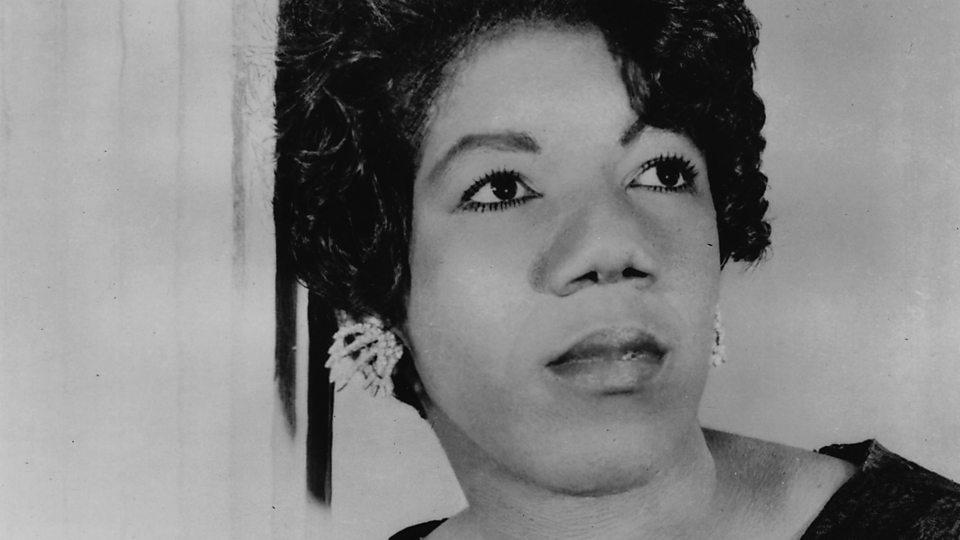
Carol Fran’s Spotify BioSoul-blues diva Carol Fran was born October 23, 1933, in Lafayette, Louisiana. After beginning her career as a teen singing jump blues with the Don Conway Orchestra, she eventually landed in New Orleans, marrying saxophonist Bob Francois. Abbreviating her married name to simply Fran, she became a constant presence on the Bourbon Street club circuit before mounting an extended tour of Mexico. In 1957, she cut her first sides for the R&B label Excello, scoring a regional smash with her debut single, "Emmitt Lee." Though she recorded extensively for Excello, only three more singles were released during Fran's abbreviated tenure with the label, and she soon signed on as a featured vocalist with blues legend Guitar Slim. She continued touring with the group in the wake of Slim's 1959 death, appearing alongside various substitutes, including Nappy Brown, Lee Dorsey, and Joe Tex.
In 1962, Fran signed to Lyric and released a pair of singles, including a swamp pop rendition of "The Great… Pretender"; she spent two more years on the road before catching on with the Jubilee subsidiary Port for a 1964 cover of the Orioles' classic "Crying in the Chapel." The single was then reissued on the Josie label, but it was lost in the shuffle when Elvis Presley scored with his own reading of the song soon after.
Undaunted, Fran remained with Port for a series of smoldering soul sides spotlighting her crystalline vocals to magnificent effect. While the follow-up "You Can't Stop Me" featured a Sammy Lowe arrangement, her third effort for the label, the lovely "A World Without You," was penned by Bobby Darin. Sadly, both failed to make any commercial headway, however, and after one more single for Port, "Any Day Love Walks In," Fran returned to touring. She did not re-enter the studio until 1967, signing to Roulette for a cover of Brook Benton's "So Close." Despite cutting a surplus of material during her Roulette stay, the sessions remained in the can. Embittered by her label experiences and stung by years of ill-informed financial dealings, she returned to Louisiana and spent over a decade confining her activities to small clubs.
In 1982, Fran was reunited with Clarence Holliman, a noted studio guitarist she'd briefly dated a quarter century earlier; the couple eventually married and relocated to Texas, appearing live together and in 1992 signing to Black Top to issue the album Soul Sensation. See There followed two years later, and after a long studio hiatus, Fran and Holliman resurfaced on JSP with the aptly titled 2000 release It's About Time. Carol Fran died on September 2, 2021, from complications of the COVID-19 virus; she was 87 years old. ~ Jason Ankeny, Rovi
Viberate is a music analytics platform built for A&Rs, artist managers, labels, booking agents, marketers, and artists.
It helps music professionals track artist growth, analyze audience data, monitor playlist activity, compare artists, follow song performance, and identify opportunities across the music market.
Public artist pages provide a free preview of selected artist data. Paid plans provide access to deeper analytics, historical data, charts, comparisons, playlist tools, exports, alerts, reports, and additional professional features.
Yes. Public Viberate artist pages provide selected artist analytics and music data for free.
Viberate also offers a 7-day free trial of the full platform. A credit card is required to start the trial. The trial includes access to the complete product so users can test deeper artist analytics, historical views, playlist insights, comparisons, charts, exports, alerts, and reporting features before choosing a paid plan.
Viberate provides artist analytics across streaming, playlists, social media, video, radio airplay, songs, and audience markets.
Users can analyze Spotify performance, Spotify and Apple Music playlists, YouTube activity, TikTok and Instagram growth, radio spins, song performance, audience locations, demographics, rankings, and overall artist momentum.
Artist profiles also connect to music charts, similar artists, and comparison tools, helping users benchmark performance and evaluate artists in context.
Viberate updates key artist and track data daily.
For followed artists and tracks, selected data is refreshed multiple times per day. This helps teams monitor playlist changes, streaming movement, audience growth, releases, and campaign performance with more current data.
Update frequency can vary depending on the metric and data source.
Yes. Viberate lets users compare up to five artists side by side across streaming, social media, audience, and engagement metrics.
Users can compare fanbase growth, audience demographics, locations, Spotify performance, social metrics, and other artist data over selected time periods.
Artist comparison can be used for A&R scouting, benchmarking, booking decisions, campaign planning, and evaluating artists with similar audiences or market positions.