Carlos Lyra

Latin
Samba
Bossa Nova
 Viberate Rank: 100064
 Viberate Rank: 100064
 Monthly ListenersFollowers
 Subscribers
 Followers
 Followers
 FansTop Spotify Songs
| Track | 7-Day Streams | |
|---|---|---|
1 | 17.61K | |
2 | 8.27K | |
3 | 6.38K | |
4 | 4.36K | |
5 | 3.70K |
Top YouTube VideosMonthly ListenersFeatured in Playlists| Playlist | Followers | |
|---|---|---|
1 |  Café Bossa Spotify | 282.54K |
2 |  Bossa Nova Dinner 2026 🍷 bossanova music & covers Filtr Legacy Sweden | 190.05K |
3 |  This Is Chico Buarque Spotify | 166.21K |
4 |  This Is Gilberto Gil Spotify | 127.06K |
5 |  Brasilian Bossanova & Jazz Tyger Hung | 47.81K |
Audience| City | Monthly Listeners | |
|---|---|---|
1 | | 9.75K |
2 | | 4.85K |
3 | | 2.44K |
4 | | 2.09K |
5 | | 1.80K |
See full performance history, audience data, playlist activity, rankings, comparisons, and more in Viberate music analytics. Start with a free trial, then continue with a paid plan.
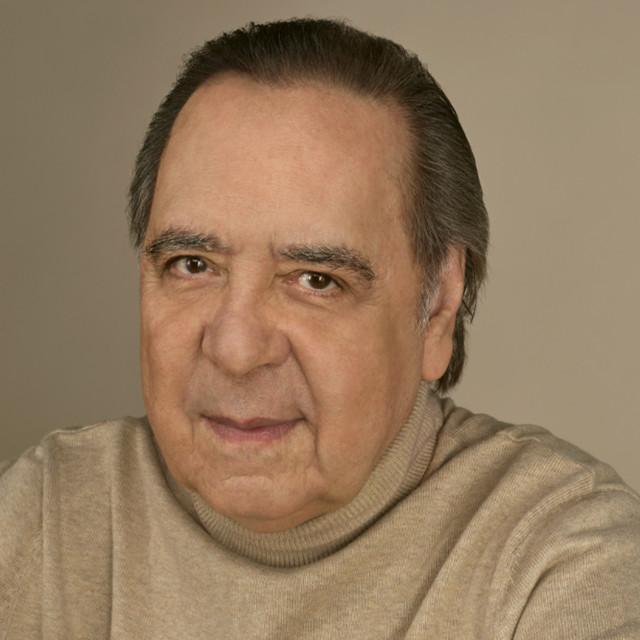
Carlos Lyra’s Spotify BioOne of the pivotal figures in the bossa nova movement, Carlos Lyra not only distinguished himself as an artist but also played a key intellectual role in shaping the movement, introducing elements like the protest song. Lyra, often in collaboration with renowned partners such as Vinícius de Moraes, contributed significantly to the bossa nova repertoire. Alongside Roberto Menescal, he established a guitar academy that served as a hub for emerging talents like Edu Lobo, Marcos Valle, Nara Leão, and Ronaldo Bôscoli.
From 1965 onwards, Lyra spent several years in Mexico, contributing extensively as a composer for short films and plays. In 1983, he initiated a partnership with Paulo César Pinheiro, and four years later, he performed in Spain alongside Caetano Veloso, Toquinho, and Nana Caymmi. Lyra's international engagements continued, with a performance in Japan with Leila Pinheiro and the Quarteto em Cy in 1988. In 1992, he toured Spain and Portugal and participated in the Pescara Jazz… Festival with Gerry Mulligan and Gary Burton. In 1997, Lyra inaugurated the "40 Years of Bossa Nova" show in Tokyo, featuring Roberto Menescal, Leila Pinheiro, and Astrud Gilberto. ~ Alvaro Neder, Rovi
Viberate is a music analytics platform built for A&Rs, artist managers, labels, booking agents, marketers, and artists.
It helps music professionals track artist growth, analyze audience data, monitor playlist activity, compare artists, follow song performance, and identify opportunities across the music market.
Public artist pages provide a free preview of selected artist data. Paid plans provide access to deeper analytics, historical data, charts, comparisons, playlist tools, exports, alerts, reports, and additional professional features.
Yes. Public Viberate artist pages provide selected artist analytics and music data for free.
Viberate also offers a 7-day free trial of the full platform. A credit card is required to start the trial. The trial includes access to the complete product so users can test deeper artist analytics, historical views, playlist insights, comparisons, charts, exports, alerts, and reporting features before choosing a paid plan.
Viberate provides artist analytics across streaming, playlists, social media, video, radio airplay, songs, and audience markets.
Users can analyze Spotify performance, Spotify and Apple Music playlists, YouTube activity, TikTok and Instagram growth, radio spins, song performance, audience locations, demographics, rankings, and overall artist momentum.
Artist profiles also connect to music charts, similar artists, and comparison tools, helping users benchmark performance and evaluate artists in context.
Viberate updates key artist and track data daily.
For followed artists and tracks, selected data is refreshed multiple times per day. This helps teams monitor playlist changes, streaming movement, audience growth, releases, and campaign performance with more current data.
Update frequency can vary depending on the metric and data source.
Yes. Viberate lets users compare up to five artists side by side across streaming, social media, audience, and engagement metrics.
Users can compare fanbase growth, audience demographics, locations, Spotify performance, social metrics, and other artist data over selected time periods.
Artist comparison can be used for A&R scouting, benchmarking, booking decisions, campaign planning, and evaluating artists with similar audiences or market positions.