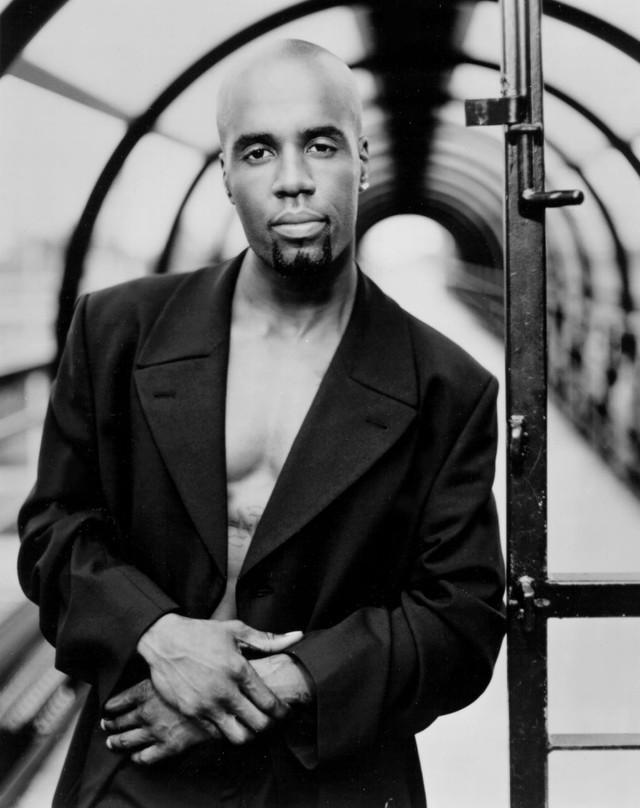
Aaron Hall

R&B
Contemporary R&B
Soul
 Viberate Rank: 29201
 Viberate Rank: 29201
 Monthly ListenersFollowers
 Subscribers
 Followers
 Followers
 FansTop Spotify Songs
| Track | 7-Day Streams | |
|---|---|---|
1 | 302.69K | |
2 | 118.15K | |
3 | 33.49K | |
4 | 31.12K | |
5 | 15.75K |
Top YouTube Videos| Video | 7-Day Views | |
|---|---|---|
1 | 84.87K | |
2 | 33.25K | |
3 | 14.30K | |
4 | 11.00K | |
5 | 5.13K |
Monthly ListenersFeatured in Playlists| Playlist | Followers | |
|---|---|---|
1 |  90s Party Spotify | 1.51M |
2 |  Summer Hits of the 90s Spotify | 885.85K |
3 |  90's Workout Spotify | 644.98K |
4 |  90's Hip Hop Don't Stop Topsify US | 484.05K |
5 |  90'er hits Spotify | 411.73K |
Audience| City | Monthly Listeners | |
|---|---|---|
1 |  | 18.35K |
2 | | 10.30K |
3 |  | 9.79K |
4 | | 8.70K |
5 | | 8.39K |
See full performance history, audience data, playlist activity, rankings, comparisons, and more in Viberate music analytics. Start with a free trial, then continue with a paid plan.
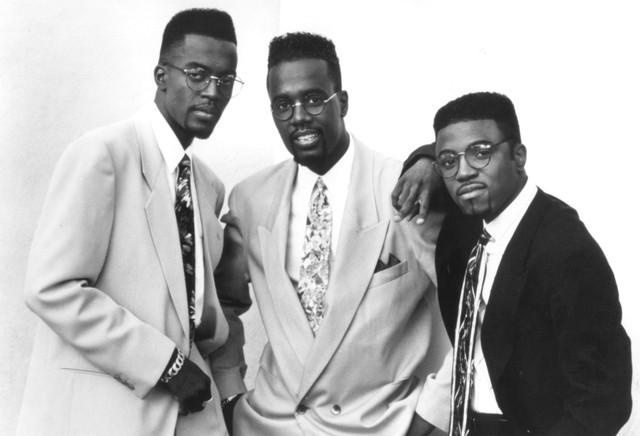
Aaron Hall’s Spotify BioAaron Hall is a legendary R&B singer, songwriter, and producer who rose to fame as the lead vocalist of the influential New Jack Swing group Guy. Born in the Bronx, New York, and raised in Brooklyn, Hall's powerful and emotive voice became synonymous with the sound of late '80s and early '90s R&B. As part of Guy, alongside Teddy Riley and Timmy Gatling (later replaced by Damion Hall), Aaron helped pioneer the New Jack Swing movement with hits like "Groove Me," "Teddy’s Jam," and "Let’s Chill."
In 1993, Hall launched his solo career, releasing his debut album, The Truth, which featured the chart-topping single "I Miss You." The song became a timeless classic, showcasing his ability to deliver raw emotion and vulnerability through his music. Known for his distinct vocal style, blending gospel-inspired runs with sensual R&B tones, Aaron Hall continues to influence a generation of singers.
With his undeniable impact on R&B and New Jack Swing, Hall remains a celebrated figure, credited for… shaping the genre's evolution and inspiring countless artists who followed in his footsteps.
Viberate is a music analytics platform built for A&Rs, artist managers, labels, booking agents, marketers, and artists.
It helps music professionals track artist growth, analyze audience data, monitor playlist activity, compare artists, follow song performance, and identify opportunities across the music market.
Public artist pages provide a free preview of selected artist data. Paid plans provide access to deeper analytics, historical data, charts, comparisons, playlist tools, exports, alerts, reports, and additional professional features.
Yes. Public Viberate artist pages provide selected artist analytics and music data for free.
Viberate also offers a 7-day free trial of the full platform. A credit card is required to start the trial. The trial includes access to the complete product so users can test deeper artist analytics, historical views, playlist insights, comparisons, charts, exports, alerts, and reporting features before choosing a paid plan.
Viberate provides artist analytics across streaming, playlists, social media, video, radio airplay, songs, and audience markets.
Users can analyze Spotify performance, Spotify and Apple Music playlists, YouTube activity, TikTok and Instagram growth, radio spins, song performance, audience locations, demographics, rankings, and overall artist momentum.
Artist profiles also connect to music charts, similar artists, and comparison tools, helping users benchmark performance and evaluate artists in context.
Viberate updates key artist and track data daily.
For followed artists and tracks, selected data is refreshed multiple times per day. This helps teams monitor playlist changes, streaming movement, audience growth, releases, and campaign performance with more current data.
Update frequency can vary depending on the metric and data source.
Yes. Viberate lets users compare up to five artists side by side across streaming, social media, audience, and engagement metrics.
Users can compare fanbase growth, audience demographics, locations, Spotify performance, social metrics, and other artist data over selected time periods.
Artist comparison can be used for A&R scouting, benchmarking, booking decisions, campaign planning, and evaluating artists with similar audiences or market positions.