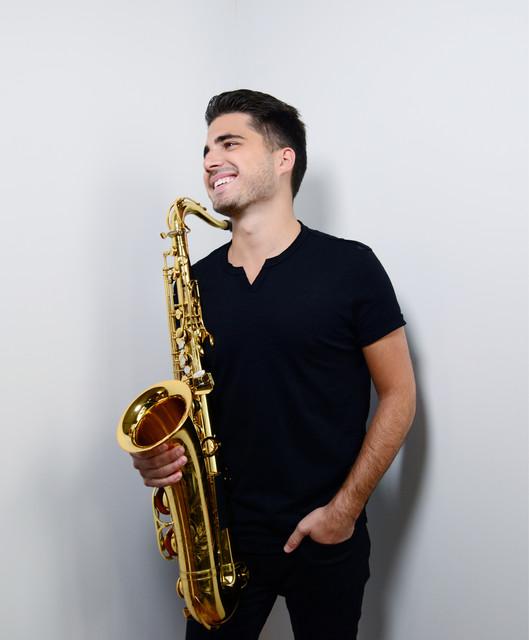
Brian Culbertson

Jazz
Smooth Jazz
Contemporary R&B
 Viberate Rank: 12243
 Viberate Rank: 12243
 Monthly ListenersFollowers
 Subscribers
 Followers
 Followers
 FansTop Spotify Songs
| Track | 7-Day Streams | |
|---|---|---|
1 | 155.41K | |
2 | 106.05K | |
3 | 74.91K | |
4 | 44.56K | |
5 | 31.18K |
Top YouTube Videos| Video | 7-Day Views | |
|---|---|---|
1 | 21.70K | |
2 | 10.55K | |
3 | 8.70K | |
4 | 5.11K | |
5 | 4.08K |
Monthly ListenersFeatured in Playlists| Playlist | Followers | |
|---|---|---|
1 |  Smooth Jazz Chill Spotify | 477.46K |
2 |  Smooth Jazz Classics Spotify | 194.30K |
3 |  Romantic Smooth Jazz Spotify | 176.27K |
4 |  Bottoms Up Spotify | 168.33K |
5 |  Smooth Jazz - Instrumental Pekka Martikainen | 141.77K |
Audience| City | Monthly Listeners | |
|---|---|---|
1 | | 7.34K |
2 | | 7.28K |
3 | | 6.75K |
4 | | 6.68K |
5 | | 6.48K |
See full performance history, audience data, playlist activity, rankings, comparisons, and more in Viberate music analytics. Start with a free trial, then continue with a paid plan.
Brian Culbertson’s Spotify BioA prolific keyboardist, composer, and multi-instrumentalist, Brian Culbertson is known for his many crossover albums, which find him touching upon jazz, funk, pop, and new age. Culbertson first broke through with 1997's Secrets, which reached number 15 on the contemporary jazz chart. He has released a series of Top Five jazz albums, including 1999's Somethin' Bout Love, for Warner Bros. and 2001's Nice & Slow for Atlantic. He also topped the same chart with 2005's It's on Tonight, 2008's Bringing Back the Funk, and 2010's XII. Over the years, he has worked with a bevy of crossover stars including Gerald Albright, Nathan East, Candy Dulfer, Bootsy Collins, and others. The founder of his own BCM Entrainment label, Culbertson has remained a jazz chart regular while exploring a variety of moods, including R&B-tinged romance on 2018's Colors of Love and intimate acoustic jazz on 2020's Winter Stories.
Born in 1973, Culbertson grew up in Decatur, Illinois where his father, a respected… high-school jazz band director and trumpeter, cultivated his love of music. Their home would be alive with the recorded sounds of Maynard Ferguson, Buddy Rich, the Brecker Brothers, and David Sanborn. Growing up, Culbertson also listened to '70s R&B/pop/funk bands like Blood, Sweat & Tears, Tower of Power, and Earth, Wind & Fire. He began his musical training at the age of eight with piano lessons; at nine he moved to drums, at ten trombone, and at 12 bass. Creatively ambitious, he began composing in junior high. By his freshman year in high school, he was experimenting with the then-new Yamaha DX-7 synthesizer and an old four-track recorder in his basement. His dedication earned him six individual and five group Down Beat student awards. Also during his high-school years, he started getting into MIDI sequencing and synthesizers. He couldn't find musicians who were able to play his songs on the level he wanted, as most of his peers were into heavy metal, so Culbertson, who cites pop producer/songwriter David Foster as one of his strongest influences, learned how to play all the parts himself.
After graduation, he headed to Chicago to begin studies in the music program at DePaul University. On campus, he began to run into high-level musicians and started playing in a band. In 1994, Culbertson inked a deal with the Mesa/Blue Moon label. In the bedroom of the apartment he shared with three college buddies, he recorded his debut album, Long Night Out, playing most of the instruments himself but also enlisting a small backing group. The LP spent ten consecutive weeks in the Top Five of the adult contemporary charts. On his follow-up album, Modern Life, Culbertson eschewed the one-man band approach in favor of a live band made up of some of the best musicians in Chicago, plus stellar saxophonist Gerald Albright.
He put out several other albums in the '90s, including After Hours (1995), Secrets (1997), and Somethin' Bout Love (1999). Culbertson's productions include albums by Bob Mamet and Steve Cole. Having gotten into composing advertising jingles, Culbertson set his sights on soundtracks. In 2001, the pianist (who could play the trombone, trumpet, and percussion as well) released Nice & Slow, followed by Come on Up in 2003. Two years later, he issued It's on Tonight, and in 2006 Soulful Christmas, a collection of holiday favorites as well as an original.
In 2008, Culbertson released Bringing Back the Funk, an acclaimed album that is credited with bringing new life to the urban jazz genre. It featured a sizable list of collaborators including Bootsy Collins, Larry Graham, Ray Parker, Jr., and David T. Walker. He followed it with a live album in 2009 and XII, a return to the studio, in 2010. In June 2012, Culbertson released Dreams, his 13th album, featuring a host of all-star contemporary jazz and R&B session players and vocalists. Later that year, he set about realizing a dream project.
Now an independent artist, Culbertson had long desired to revisit the music from his 1994 debut offering, Long Night Out, initially cut in his apartment on a very limited budget. In 2013, he re-recorded the same tracks with a large all-star lineup that included Nathan East, Russ Freeman, Steve Lukather, and Candy Dulfer, to name a few, plus a 33-piece orchestra. Entitled Another Long Night Out, it was issued on his own BCM label in February 2014. Two years later, he delivered the concert album Live: 20th Anniversary Tour, showcasing his band in concert at Yoshi's in San Francisco. The full-length Colors of Love appeared in 2018, and reached the top of the Billboard Jazz Albums chart. A trio album, Winter Stories, arrived the following year. In 2020, Culberston issued his 20th studio album, the aptly titled XX, featuring guest vocals from Bootsy Collins, Avery Sunshine, and Noel Gourdin. An EP, Soundscapes, arrived in 2021 as did Red = Passion, the first in a trilogy of themed albums also including Blue = Melancholy and White = Hope. ~ Matt Collar & Ed Hogan, Rovi
Viberate is a music analytics platform built for A&Rs, artist managers, labels, booking agents, marketers, and artists.
It helps music professionals track artist growth, analyze audience data, monitor playlist activity, compare artists, follow song performance, and identify opportunities across the music market.
Public artist pages provide a free preview of selected artist data. Paid plans provide access to deeper analytics, historical data, charts, comparisons, playlist tools, exports, alerts, reports, and additional professional features.
Yes. Public Viberate artist pages provide selected artist analytics and music data for free.
Viberate also offers a 7-day free trial of the full platform. A credit card is required to start the trial. The trial includes access to the complete product so users can test deeper artist analytics, historical views, playlist insights, comparisons, charts, exports, alerts, and reporting features before choosing a paid plan.
Viberate provides artist analytics across streaming, playlists, social media, video, radio airplay, songs, and audience markets.
Users can analyze Spotify performance, Spotify and Apple Music playlists, YouTube activity, TikTok and Instagram growth, radio spins, song performance, audience locations, demographics, rankings, and overall artist momentum.
Artist profiles also connect to music charts, similar artists, and comparison tools, helping users benchmark performance and evaluate artists in context.
Viberate updates key artist and track data daily.
For followed artists and tracks, selected data is refreshed multiple times per day. This helps teams monitor playlist changes, streaming movement, audience growth, releases, and campaign performance with more current data.
Update frequency can vary depending on the metric and data source.
Yes. Viberate lets users compare up to five artists side by side across streaming, social media, audience, and engagement metrics.
Users can compare fanbase growth, audience demographics, locations, Spotify performance, social metrics, and other artist data over selected time periods.
Artist comparison can be used for A&R scouting, benchmarking, booking decisions, campaign planning, and evaluating artists with similar audiences or market positions.