BRATMOBILE

Punk
Punk Rock
 Viberate Rank: 62933
 Viberate Rank: 62933
 Monthly ListenersFollowers
 Subscribers
 Followers
 Followers
 FansTop Spotify Songs
| Track | 7-Day Streams | |
|---|---|---|
1 | 15.59K | |
2 | 15.12K | |
3 | 8.89K | |
4 | 7.12K | |
5 | 6.13K |
Top YouTube VideosMonthly ListenersFeatured in Playlists| Playlist | Followers | |
|---|---|---|
1 |  Riot Grrrl Spotify | 215.67K |
2 |  pure female rage caroline 🃁 | 82.06K |
3 |  Manifesting a backseat lovers concert megan | 75.44K |
4 |  The Sound of Everything The Sounds of Spotify | 53.81K |
5 |  RIOT GRRRL/FEMME PUNK Abbymak17 | 39.35K |
Audience| City | Monthly Listeners | |
|---|---|---|
1 | | 2.29K |
2 | | 1.92K |
3 | | 1.55K |
4 | | 1.30K |
5 |  | 1.27K |
See full performance history, audience data, playlist activity, rankings, comparisons, and more in Viberate music analytics. Start with a free trial, then continue with a paid plan.
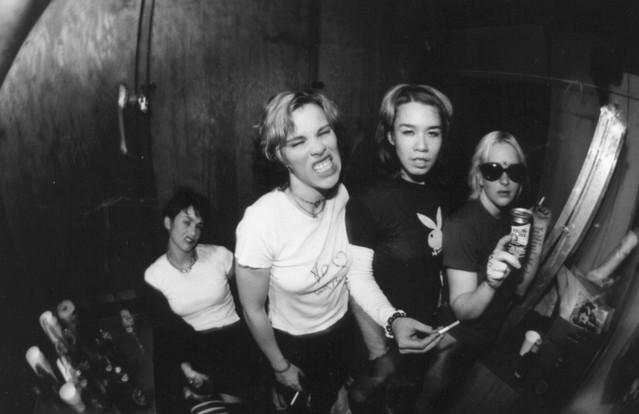
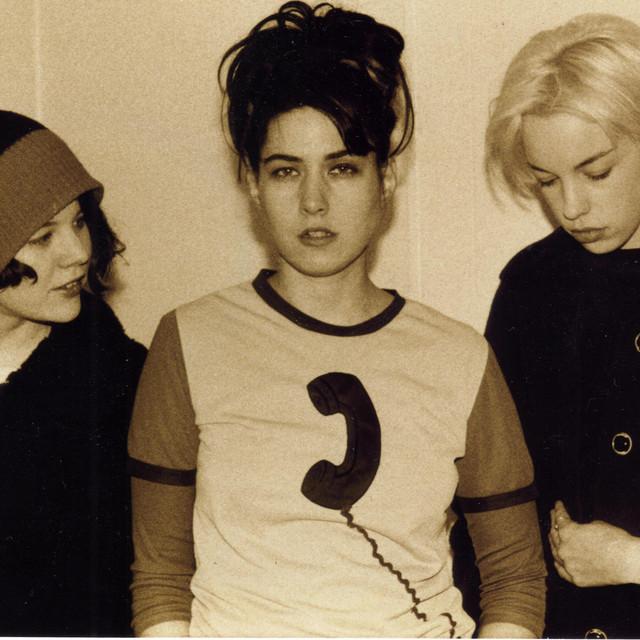
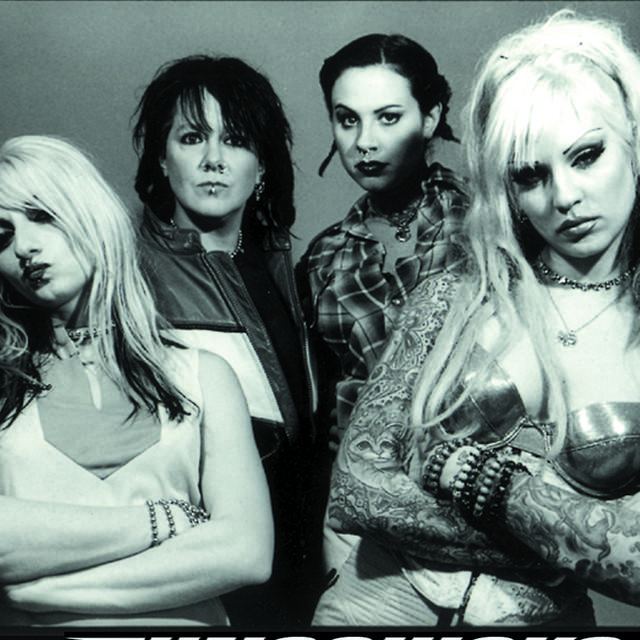
BRATMOBILE’s Spotify BioAlong with Bikini Kill, Bratmobile spearheaded the riot grrrl revolution of the early 1990s, battling the long-standing dominance of men within the punk rock community to help empower a new generation of female musicians and fans. Comprised of singer Allison Wolfe, guitarist Erin Smith, and drummer Molly Neuman, Bratmobile made their debut at 1991's International Pop Underground convention, a landmark indie music festival mounted in Olympia, Washington by Beat Happening frontman and K Records honcho Calvin Johnson; after a handful of singles -- with members spread out between California, Washington, and Maryland, recording was a logistical nightmare -- the trio finally released an LP, Pottymouth, in 1993. 1994's The Real Janelle EP was Bratmobile's final studio date, although a July 1993 BBC broadcast was issued the following year as The Peel Session EP. In the wake of the group's demise, Neuman joined the Peechees, while Wolfe and Smith reunited in Cold Cold Hearts. Bratmobile… re-formed in March 1999 to play a series of dates as the opening act for Sleater-Kinney; the new album Ladies, Women, and Girls was released in fall 2000. ~ Jason Ankeny, Rovi
Viberate is a music analytics platform built for A&Rs, artist managers, labels, booking agents, marketers, and artists.
It helps music professionals track artist growth, analyze audience data, monitor playlist activity, compare artists, follow song performance, and identify opportunities across the music market.
Public artist pages provide a free preview of selected artist data. Paid plans provide access to deeper analytics, historical data, charts, comparisons, playlist tools, exports, alerts, reports, and additional professional features.
Yes. Public Viberate artist pages provide selected artist analytics and music data for free.
Viberate also offers a 7-day free trial of the full platform. A credit card is required to start the trial. The trial includes access to the complete product so users can test deeper artist analytics, historical views, playlist insights, comparisons, charts, exports, alerts, and reporting features before choosing a paid plan.
Viberate provides artist analytics across streaming, playlists, social media, video, radio airplay, songs, and audience markets.
Users can analyze Spotify performance, Spotify and Apple Music playlists, YouTube activity, TikTok and Instagram growth, radio spins, song performance, audience locations, demographics, rankings, and overall artist momentum.
Artist profiles also connect to music charts, similar artists, and comparison tools, helping users benchmark performance and evaluate artists in context.
Viberate updates key artist and track data daily.
For followed artists and tracks, selected data is refreshed multiple times per day. This helps teams monitor playlist changes, streaming movement, audience growth, releases, and campaign performance with more current data.
Update frequency can vary depending on the metric and data source.
Yes. Viberate lets users compare up to five artists side by side across streaming, social media, audience, and engagement metrics.
Users can compare fanbase growth, audience demographics, locations, Spotify performance, social metrics, and other artist data over selected time periods.
Artist comparison can be used for A&R scouting, benchmarking, booking decisions, campaign planning, and evaluating artists with similar audiences or market positions.