Red Aunts

Rock
Garage Rock
Punk Rock
 Viberate Rank: 188529
 Viberate Rank: 188529
 Monthly ListenersFollowers
 Subscribers
 Followers
 Followers
 FansTop Spotify Songs
| Track | 7-Day Streams | |
|---|---|---|
1 | 5.01K | |
2 | 1.72K | |
3 | 1.18K | |
4 | 974 | |
5 | 742 |
Top YouTube VideosMonthly ListenersFeatured in Playlists| Playlist | Followers | |
|---|---|---|
1 |  actual female rage 🪓 ž🕷️ | 62.72K |
2 |  actual riot grrl music zorgasm | 28.60K |
3 |  angry girl music of the indie rock persuasion Casey Aucoin | 27.97K |
4 |  riot grrl <3 annarcasagrada | 25.15K |
5 |  Punk-O-Rama 1-10 CptFuzzball | 23.21K |
Audience| City | Monthly Listeners | |
|---|---|---|
1 | | 354 |
2 | | 322 |
3 | | 245 |
4 | | 227 |
5 |  | 199 |
See full performance history, audience data, playlist activity, rankings, comparisons, and more in Viberate music analytics. Start with a free trial, then continue with a paid plan.
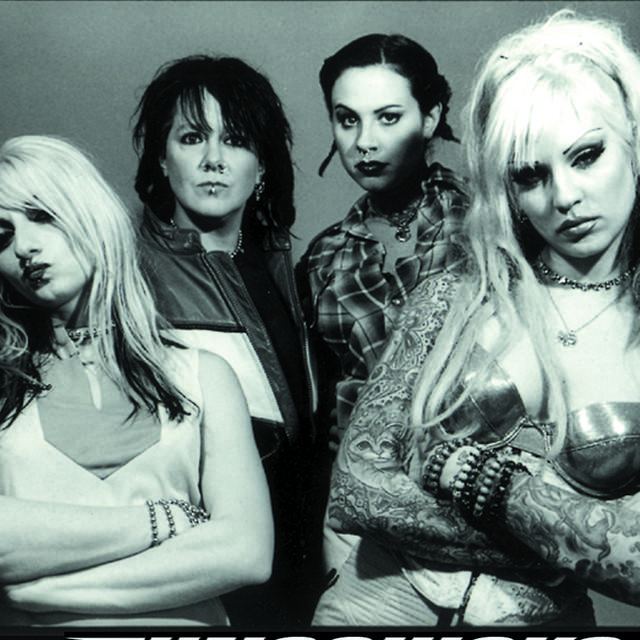
Red Aunts’ Spotify BioFemale punk rockers the Red Aunts were a rough, raw, raunchy combo who appeared during the California punk revival of the '90s. Both praised and dismissed for their garage band amateurishness early on, the band crafted a grimy, scuzzy sound inflected with subtle strains of blues, country, and pre-Beatles rock & roll. That sound matched well with their lyrics -- the Red Aunts weren't really political or explicitly feminist, they just wanted to rock out, and many of their songs had a trashy sense of humor that descended from avowed influences the Lunachicks. At least musically, they also earned numerous comparisons to the abrasive, grungy skronk of Babes in Toyland, though they didn't have quite the same sense of cathartic urgency. The more the Red Aunts recorded and toured, the better their musicianship got, and they were able to move from the short, enthusiastic blasts of their early records to more intricate and demanding songwriting.
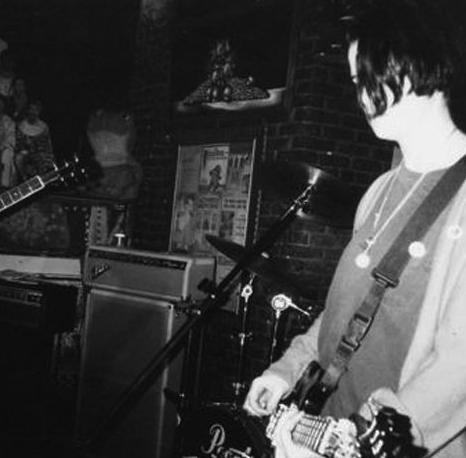
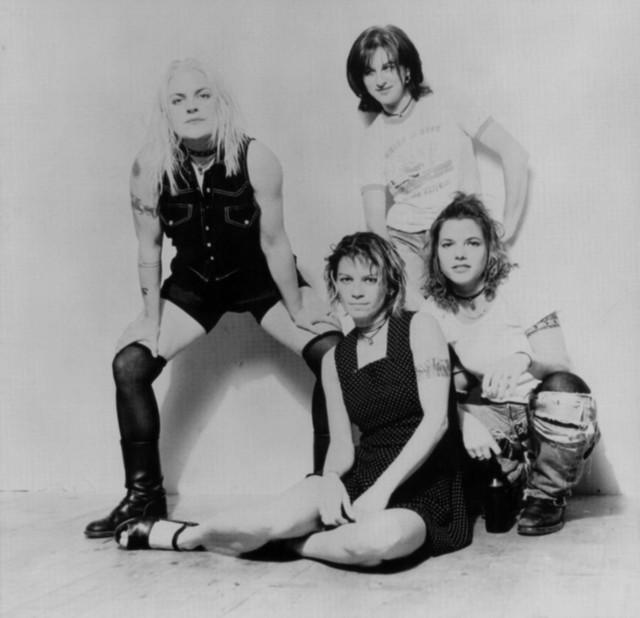
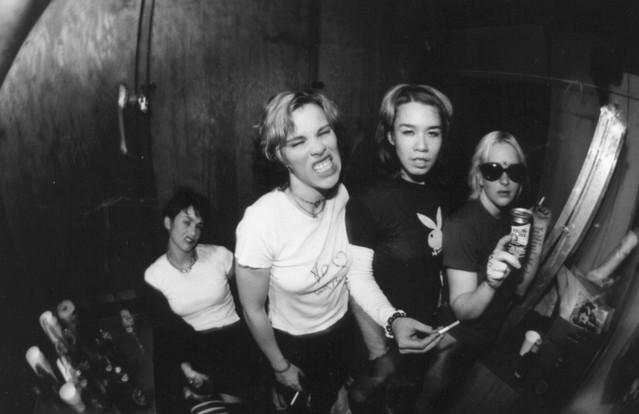
Formed in Long Beach, California in 1991, the group… featured lead vocalist/guitarist Kerry Davis, guitarist Terri Wahl, bassist Debi Martini, and drummer Leslie Ishino; all employed an array of ever-shifting aliases. Most of the members had no prior experience or training, but they were coached early on by friends and supporters Jon Wahl (Terri's husband, who played in the band Claw Hammer and occasionally sat in on drums before Ishino settled into the line-up) and Scott Drake (lead singer with Los Angeles garage-punks the Humpers), and Martini was the founder of the fanzine Real Life in a Big City. After a number of raucous live shows, the Red Aunts had learned enough by 1993 to sign with the insouciant indie label Sympathy for the Record Industry, which issued their debut album Drag that year. After 1994's Bad Motherfucken 40 O-Z, the group moved to the well-established punk label Epitaph, and they earned a wider audience in the punk underground with 1995's #1 Chicken.
As the band matured as songwriters and developed better instrumental skills, their frantic early sound gave way to a more garage-centric and blues-based approach on 1996's Saltbox, and they upped the noise factor on 1998's Ghetto Blaster, which was produced by Mick Collins of the Dirtbombs. Having taken their music as far as they'd hoped, the Red Aunts broke up near the end of 1998, and Kerry Davis went on to form a new project, Two Tears. In 2014, In the Red Records released a career-spanning Red Aunts compilation, Come Up for a Closer Look, and in 2016, when In the Red staged a special concert to celebrate their 25th anniversary, the Red Aunts reunited for the occasion, which led to several short tours for the band. On January 17, 2019, the Red Aunts announced that bassist Debi Martini had passed away. ~ Steve Huey & Mark Deming, Rovi
Viberate is a music analytics platform built for A&Rs, artist managers, labels, booking agents, marketers, and artists.
It helps music professionals track artist growth, analyze audience data, monitor playlist activity, compare artists, follow song performance, and identify opportunities across the music market.
Public artist pages provide a free preview of selected artist data. Paid plans provide access to deeper analytics, historical data, charts, comparisons, playlist tools, exports, alerts, reports, and additional professional features.
Yes. Public Viberate artist pages provide selected artist analytics and music data for free.
Viberate also offers a 7-day free trial of the full platform. A credit card is required to start the trial. The trial includes access to the complete product so users can test deeper artist analytics, historical views, playlist insights, comparisons, charts, exports, alerts, and reporting features before choosing a paid plan.
Viberate provides artist analytics across streaming, playlists, social media, video, radio airplay, songs, and audience markets.
Users can analyze Spotify performance, Spotify and Apple Music playlists, YouTube activity, TikTok and Instagram growth, radio spins, song performance, audience locations, demographics, rankings, and overall artist momentum.
Artist profiles also connect to music charts, similar artists, and comparison tools, helping users benchmark performance and evaluate artists in context.
Viberate updates key artist and track data daily.
For followed artists and tracks, selected data is refreshed multiple times per day. This helps teams monitor playlist changes, streaming movement, audience growth, releases, and campaign performance with more current data.
Update frequency can vary depending on the metric and data source.
Yes. Viberate lets users compare up to five artists side by side across streaming, social media, audience, and engagement metrics.
Users can compare fanbase growth, audience demographics, locations, Spotify performance, social metrics, and other artist data over selected time periods.
Artist comparison can be used for A&R scouting, benchmarking, booking decisions, campaign planning, and evaluating artists with similar audiences or market positions.