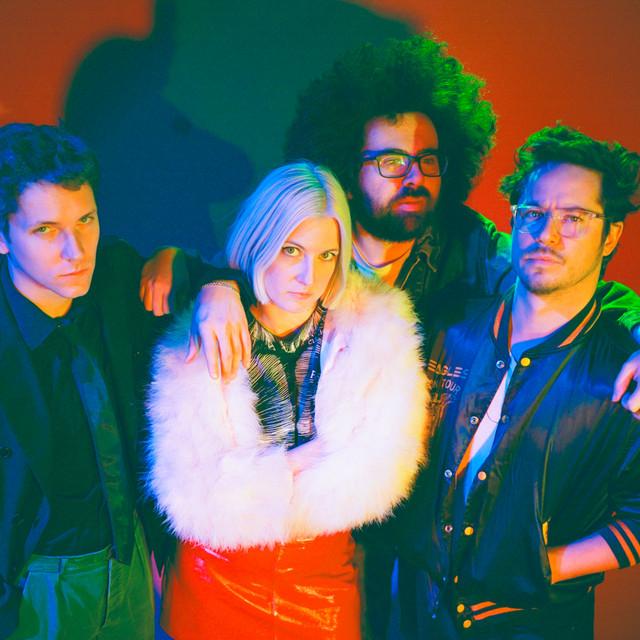
Slutever

Punk
Punk Rock
Alternative Rock
 Viberate Rank: 115668
 Viberate Rank: 115668
 Monthly ListenersFollowers
 Subscribers
 Followers
 Followers
 FansTop Spotify Songs
| Track | 7-Day Streams | |
|---|---|---|
1 | 41.24K | |
2 | 12.89K | |
3 | 9.18K | |
4 | 8.89K | |
5 | 7.45K |
Top YouTube VideosMonthly ListenersFeatured in Playlists| Playlist | Followers | |
|---|---|---|
1 |  Riot Grrrl Spotify | 215.67K |
2 |  Manifesting a backseat lovers concert megan | 75.44K |
3 |  actual female rage 🪓 ž🕷️ | 62.72K |
4 |  Indie/rock and absolute bangers Zodac | 44.05K |
5 |  Sexy Goth Slut Music Lauren Gardner | 42.84K |
Audience| City | Monthly Listeners | |
|---|---|---|
1 | | 1.81K |
2 | | 1.71K |
3 | | 1.36K |
4 | | 1.21K |
5 |  | 1.12K |
See full performance history, audience data, playlist activity, rankings, comparisons, and more in Viberate music analytics. Start with a free trial, then continue with a paid plan.
Slutever’s Spotify BioSlutever is a punk rock band based in Los Angeles, California, consisting of Nicole Snyder and Rachel Gagliardi, both of whom are from Philadelphia. Snyder and Gagliardi met in high school, where they were both enrolled in the same music program. However, they did not begin performing together until they were both in college. By June 2013, Slutever had recorded all six songs that they would later self-release on the EP Almost Famous on February 17, 2015. The band decided to revisit these songs after beginning a tour on the East Coast with Girlpool.
Writing for Exclaim!, Alison Lang awarded Almost Famous a rating of 7 out of 10, and wrote that it "maintains Slutever's well-established goofy stoner ethos while also coming across as super polished and assured." Robert Christgau gave the EP an A−, writing of the band that "To call their self-imposed limits principled would misread their purpose. These women don't want to be momentous because what they've achieved already was fucking hard.… They don't want to be momentous because enough is enough." Brennan Carley wrote in Spin that Slutever "deliver on their promise of grit-punk with an inescapably memorable twist" on the EP. The band has been called riot grrrl by some critics, but Snyder has said she disagrees with this characterization, saying that “I think the confusion was made because we were two girls in a loud punk band, but our songs were never about any heavy issues."
Viberate is a music analytics platform built for A&Rs, artist managers, labels, booking agents, marketers, and artists.
It helps music professionals track artist growth, analyze audience data, monitor playlist activity, compare artists, follow song performance, and identify opportunities across the music market.
Public artist pages provide a free preview of selected artist data. Paid plans provide access to deeper analytics, historical data, charts, comparisons, playlist tools, exports, alerts, reports, and additional professional features.
Yes. Public Viberate artist pages provide selected artist analytics and music data for free.
Viberate also offers a 7-day free trial of the full platform. A credit card is required to start the trial. The trial includes access to the complete product so users can test deeper artist analytics, historical views, playlist insights, comparisons, charts, exports, alerts, and reporting features before choosing a paid plan.
Viberate provides artist analytics across streaming, playlists, social media, video, radio airplay, songs, and audience markets.
Users can analyze Spotify performance, Spotify and Apple Music playlists, YouTube activity, TikTok and Instagram growth, radio spins, song performance, audience locations, demographics, rankings, and overall artist momentum.
Artist profiles also connect to music charts, similar artists, and comparison tools, helping users benchmark performance and evaluate artists in context.
Viberate updates key artist and track data daily.
For followed artists and tracks, selected data is refreshed multiple times per day. This helps teams monitor playlist changes, streaming movement, audience growth, releases, and campaign performance with more current data.
Update frequency can vary depending on the metric and data source.
Yes. Viberate lets users compare up to five artists side by side across streaming, social media, audience, and engagement metrics.
Users can compare fanbase growth, audience demographics, locations, Spotify performance, social metrics, and other artist data over selected time periods.
Artist comparison can be used for A&R scouting, benchmarking, booking decisions, campaign planning, and evaluating artists with similar audiences or market positions.