Cave In

Rock
Hard Rock
Post Hardcore
 Viberate Rank: 94187
 Viberate Rank: 94187
 Monthly ListenersFollowers
 Subscribers
 Followers
 Followers
 FansTop Spotify Songs
| Track | 7-Day Streams | |
|---|---|---|
1 | 3.48K | |
2 | 2.30K | |
3 | 1.48K | |
4 | 1.44K | |
5 | 1.20K |
Top YouTube VideosMonthly ListenersFeatured in Playlists| Playlist | Followers | |
|---|---|---|
1 |  Metalcore Classics Spotify | 582.15K |
2 | sad metal songs. Sebastian Finta | 78.46K |
3 |  hardcore. Tehuringa | 27.00K |
4 |  TUDO Felps | 16.14K |
5 |  Heavy metal purgatory due to METAL | 15.58K |
Audience| City | Monthly Listeners | |
|---|---|---|
1 |  | 450 |
2 | | 428 |
3 | | 390 |
4 | | 378 |
5 | | 363 |
See full performance history, audience data, playlist activity, rankings, comparisons, and more in Viberate music analytics. Start with a free trial, then continue with a paid plan.
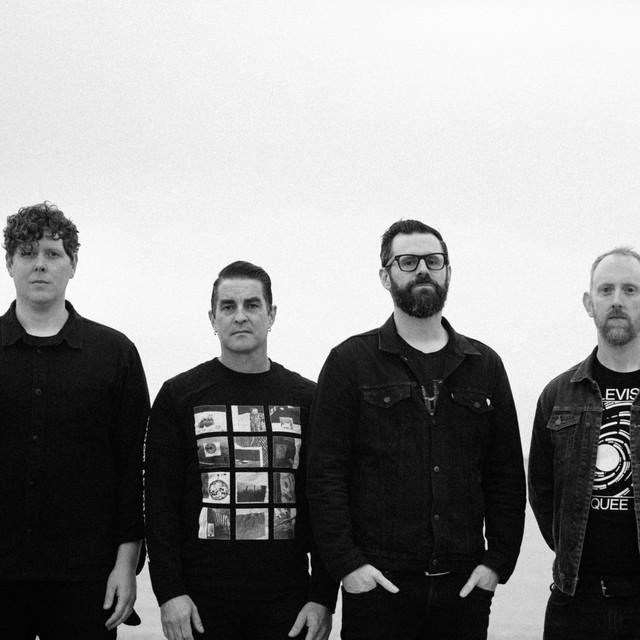
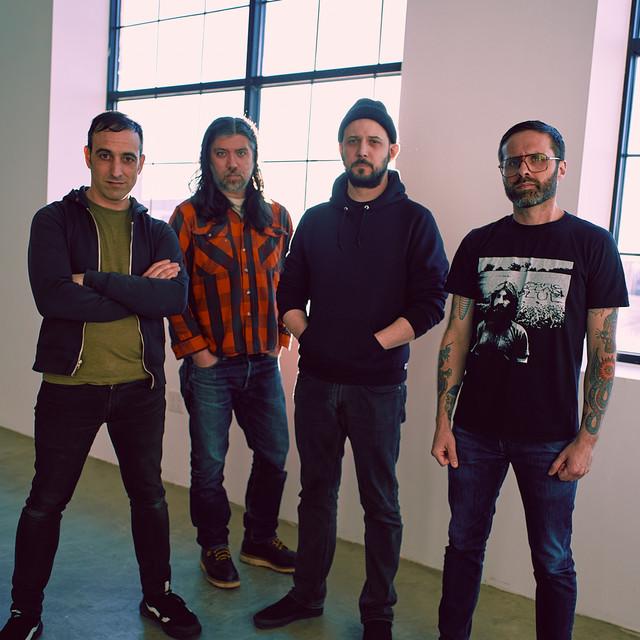
Cave In’s Spotify BioTo many observers, it looked like Cave In’s 2019 album, Final Transmission, was exactly what its title indicated. After all, the band’s bassist and dear friend Caleb Scofield had passed during the record’s early stages. They finished it with the help of another dear friend—Nate Newton of Converge/Old Man Gloom/Doomriders—but it still felt like the end of an era.
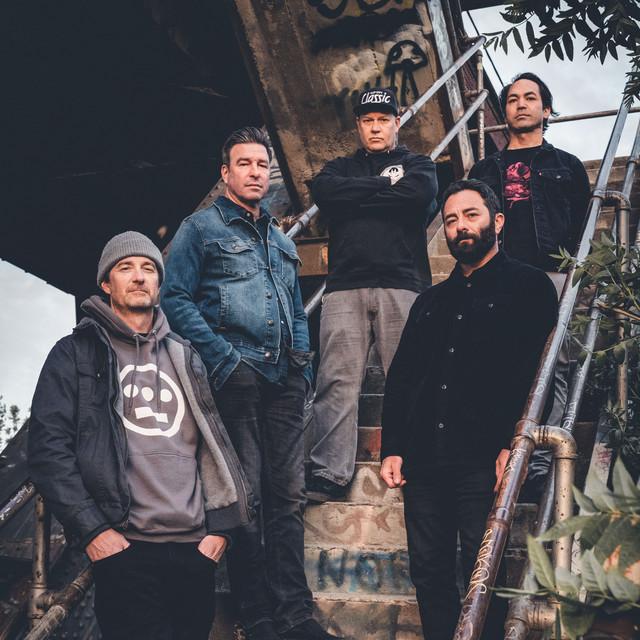
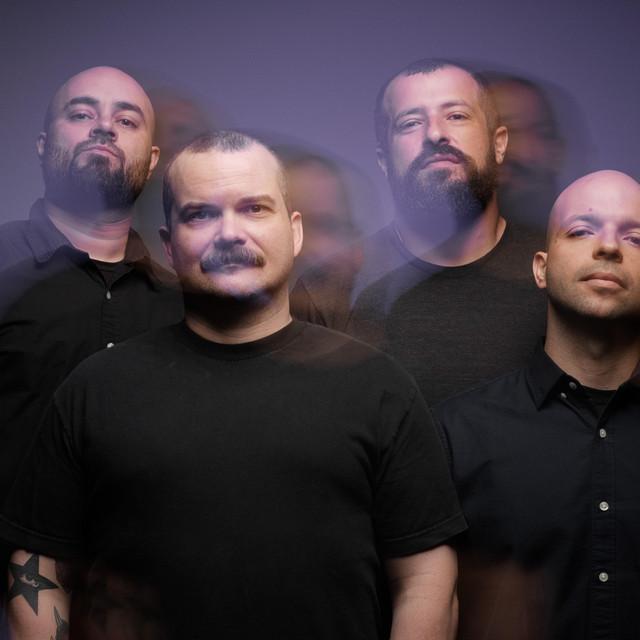
Which brings us to the brand-new Cave In album, Heavy Pendulum. Featuring Nate Newton on bass and backing vocals alongside original members Brodsky, Adam McGrath (guitar/vocals) and JR Conners (drums), it’s Cave In’s first proper studio recording since 2009’s Planets Of Old. “When we began working on the songs that became Final Transmission, the goal was to finish that stuff in a studio,” Brodsky explains. “Caleb was very specific about wanting to do that. In a way, this is doing his vision justice—finally getting into a studio to make another Cave In record.”
Recorded with Kurt Ballou at God City in January and August of 2021,… Heavy Pendulum also marks the first time Cave In has worked with the famed producer and Converge guitarist since the band’s beloved 1998 debut, Until Your Heart Stops. “It’s also Cave In’s first recording at the current God City location,” Brodsky points out. “We recorded Until Your Heart Stops at the original God City in Allston, MA. What’s crazy is that we’ve all recorded at the Salem location with our other bands many times, but never all together.”
Viberate is a music analytics platform built for A&Rs, artist managers, labels, booking agents, marketers, and artists.
It helps music professionals track artist growth, analyze audience data, monitor playlist activity, compare artists, follow song performance, and identify opportunities across the music market.
Public artist pages provide a free preview of selected artist data. Paid plans provide access to deeper analytics, historical data, charts, comparisons, playlist tools, exports, alerts, reports, and additional professional features.
Yes. Public Viberate artist pages provide selected artist analytics and music data for free.
Viberate also offers a 7-day free trial of the full platform. A credit card is required to start the trial. The trial includes access to the complete product so users can test deeper artist analytics, historical views, playlist insights, comparisons, charts, exports, alerts, and reporting features before choosing a paid plan.
Viberate provides artist analytics across streaming, playlists, social media, video, radio airplay, songs, and audience markets.
Users can analyze Spotify performance, Spotify and Apple Music playlists, YouTube activity, TikTok and Instagram growth, radio spins, song performance, audience locations, demographics, rankings, and overall artist momentum.
Artist profiles also connect to music charts, similar artists, and comparison tools, helping users benchmark performance and evaluate artists in context.
Viberate updates key artist and track data daily.
For followed artists and tracks, selected data is refreshed multiple times per day. This helps teams monitor playlist changes, streaming movement, audience growth, releases, and campaign performance with more current data.
Update frequency can vary depending on the metric and data source.
Yes. Viberate lets users compare up to five artists side by side across streaming, social media, audience, and engagement metrics.
Users can compare fanbase growth, audience demographics, locations, Spotify performance, social metrics, and other artist data over selected time periods.
Artist comparison can be used for A&R scouting, benchmarking, booking decisions, campaign planning, and evaluating artists with similar audiences or market positions.