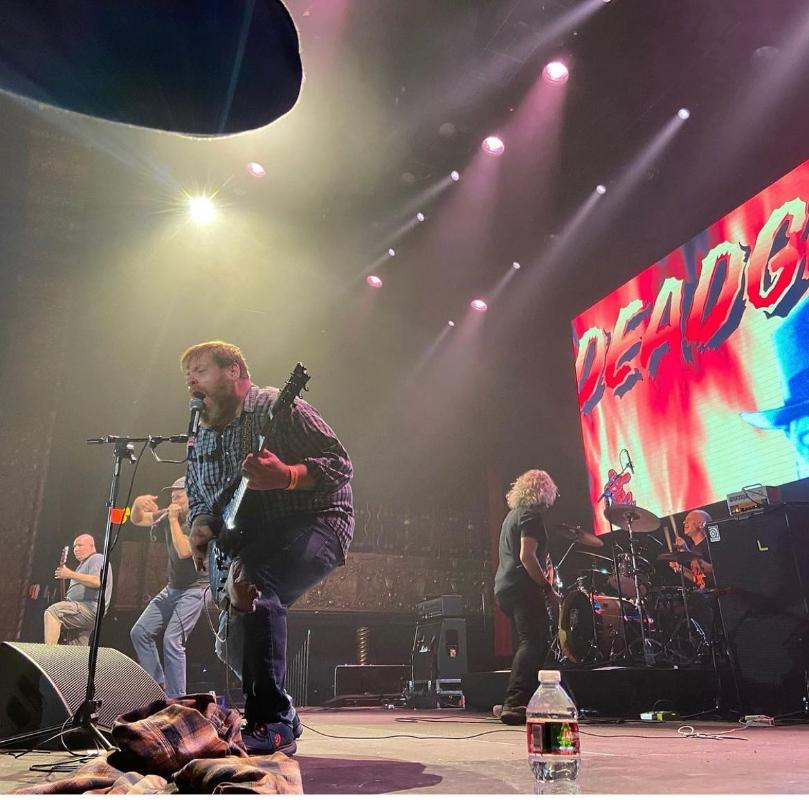
Deadguy

Punk
Hardcore Punk
Metalcore/Deathcore
 Viberate Rank: 236450
 Viberate Rank: 236450
 Monthly ListenersFollowers
 Subscribers
 Followers
 Followers
 FansTop Spotify Songs
| Track | 7-Day Streams | |
|---|---|---|
1 | 762 | |
2 | 659 | |
3 | 543 | |
4 | 408 | |
5 | 275 |
Top YouTube VideosMonthly ListenersFeatured in Playlists| Playlist | Followers | |
|---|---|---|
1 |  the Breakdown Spotify | 81.02K |
2 |  hardcore. Tehuringa | 27.00K |
3 |  New Hardcore 2025 Jens W | 5.58K |
4 |  The Sound of Mathcore The Sounds of Spotify | 5.13K |
5 |  MATHCORE/MATHGRIND natsumi | 3.77K |
Audience| City | Monthly Listeners | |
|---|---|---|
1 | | 142 |
2 | | 121 |
3 | | 118 |
4 | | 100 |
5 | | 96 |
See full performance history, audience data, playlist activity, rankings, comparisons, and more in Viberate music analytics. Start with a free trial, then continue with a paid plan.
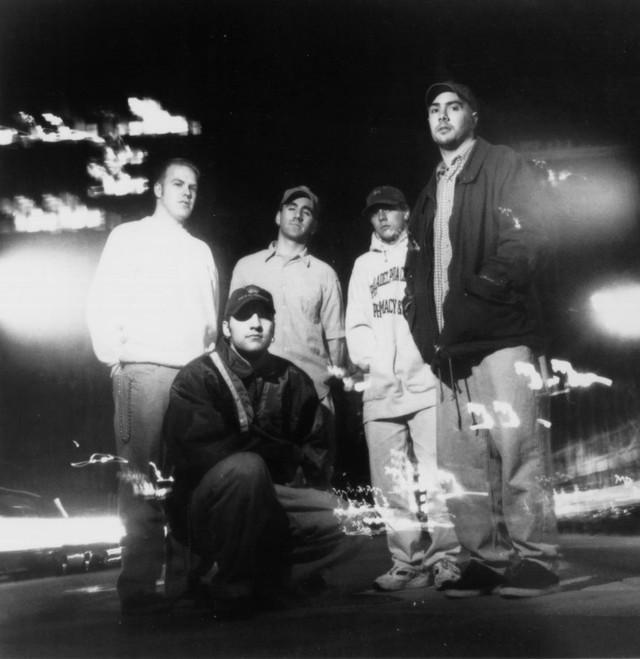
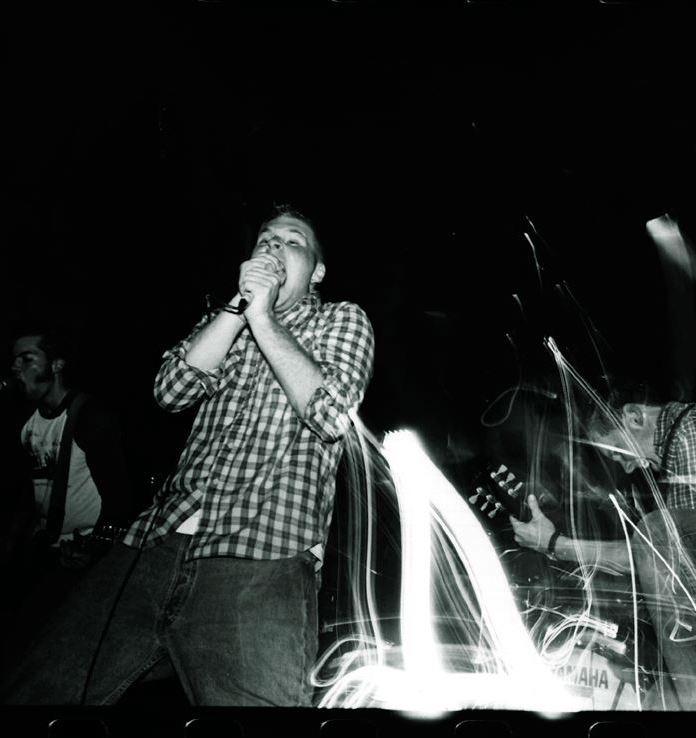
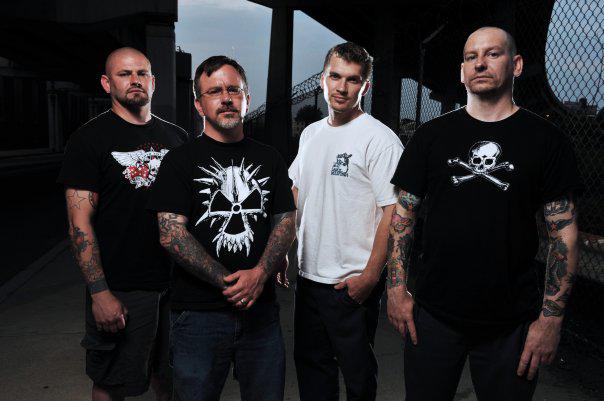
Deadguy’s Spotify BioAfter Deadguy pulled a Lazarus, the infamous metalcore pioneers reunited on stage to prove that a few decades of dust couldn’t keep them from tearing into audiences like old times. But there’s a big difference between playing the classics for nostalgic fans and risking your legacy with a new album. The band innately understood how heavy and deranged a follow-up would need to be – and that’s exactly what they bring with their new LP— Near-Death Travel Services— incoming June 27th via Relapse Records
First, a brief history of Deadguy: the New Jersey quartet of Crispy, Dave Rosenberg, Tim “Pops” Naumann and Tim Singer released an odd, sardonic, absolutely singular 7” called White Meat in 1994. That same year they enlisted guitar player Keith Huckins of groundbreaking NJ band Rorschach and unleashed a refined, even more vicious sound with their 7” Work Ethic. With only these six songs the band was already understood to be a menacing force in the emerging metalcore scene, both live and… recorded, but it couldn’t have prepared anyone for what came next.
Their 1995 debut LP Fixation on a Coworker inspired a generation of bands and was inducted into Decibel’s Hall of Fame in 2006.
Viberate is a music analytics platform built for A&Rs, artist managers, labels, booking agents, marketers, and artists.
It helps music professionals track artist growth, analyze audience data, monitor playlist activity, compare artists, follow song performance, and identify opportunities across the music market.
Public artist pages provide a free preview of selected artist data. Paid plans provide access to deeper analytics, historical data, charts, comparisons, playlist tools, exports, alerts, reports, and additional professional features.
Yes. Public Viberate artist pages provide selected artist analytics and music data for free.
Viberate also offers a 7-day free trial of the full platform. A credit card is required to start the trial. The trial includes access to the complete product so users can test deeper artist analytics, historical views, playlist insights, comparisons, charts, exports, alerts, and reporting features before choosing a paid plan.
Viberate provides artist analytics across streaming, playlists, social media, video, radio airplay, songs, and audience markets.
Users can analyze Spotify performance, Spotify and Apple Music playlists, YouTube activity, TikTok and Instagram growth, radio spins, song performance, audience locations, demographics, rankings, and overall artist momentum.
Artist profiles also connect to music charts, similar artists, and comparison tools, helping users benchmark performance and evaluate artists in context.
Viberate updates key artist and track data daily.
For followed artists and tracks, selected data is refreshed multiple times per day. This helps teams monitor playlist changes, streaming movement, audience growth, releases, and campaign performance with more current data.
Update frequency can vary depending on the metric and data source.
Yes. Viberate lets users compare up to five artists side by side across streaming, social media, audience, and engagement metrics.
Users can compare fanbase growth, audience demographics, locations, Spotify performance, social metrics, and other artist data over selected time periods.
Artist comparison can be used for A&R scouting, benchmarking, booking decisions, campaign planning, and evaluating artists with similar audiences or market positions.