Boston Pops Orchestra

Classical
Orchestral
 Viberate Rank: 25078
 Viberate Rank: 25078
 Monthly ListenersFollowers
 Subscribers
 Followers
 Followers
 FansTop Spotify Songs
| Track | 7-Day Streams | |
|---|---|---|
1 | 1.75M | |
2 | 776.25K | |
3 | 79.77K | |
4 | 71.68K | |
5 | 70.87K |
Top YouTube Videos| Video | 7-Day Views | |
|---|---|---|
1 | 74.34K | |
2 | 22.00K | |
3 | 17.08K | |
4 | 9.18K | |
5 | 7.04K |
Monthly ListenersFeatured in Playlists| Playlist | Followers | |
|---|---|---|
1 |  Classical Essentials Spotify | 3.82M |
2 |  Christmas Classics Spotify | 3.71M |
3 |  Iconic Soundtracks Spotify | 1.37M |
4 |  POPULAR CHRISTMAS MUSIC 🎅🏻🎄🎁 HITS 2026 Clark Shipley | 1.33M |
5 |  World’s Best Christmas Playlist Henry Janzen | 1.27M |
Audience| City | Monthly Listeners | |
|---|---|---|
1 |  | 12.26K |
2 |  | 10.35K |
3 |  | 9.42K |
4 | | 7.37K |
5 |  | 6.95K |
See full performance history, audience data, playlist activity, rankings, comparisons, and more in Viberate music analytics. Start with a free trial, then continue with a paid plan.
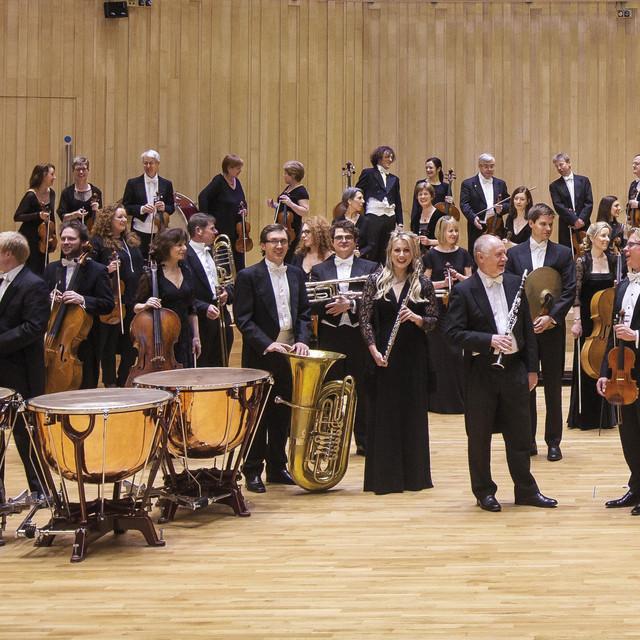
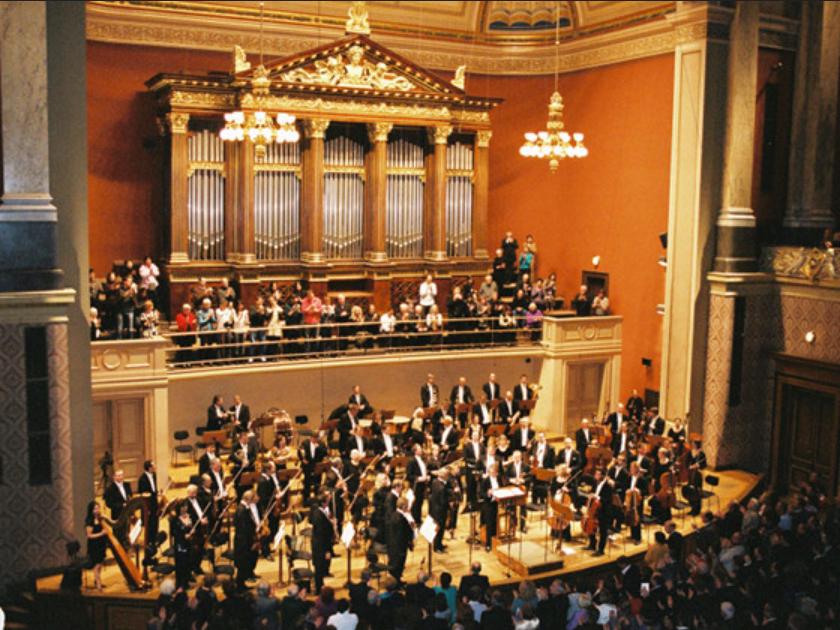
Boston Pops Orchestra’s Spotify BioBanker Henry Lee Higginson established Boston's first full-time resident orchestra. An unprecedented one-million-dollar grant endowed the Boston Symphony Orchestra, which, since its debut on October 22, 1881, has established itself as one of the great orchestras of the world.
In order to give orchestra members summer employment, and to recapture the ambience of the Bilse Orchestra's beer-hall concerts in Berlin where Higginson had been a music student, Higginson established a second BSO season in the spring, played by a reduced orchestra initially called the Music Hall Promenade Orchestra. The "Pops," as it became known informally and later officially, was also an audience hit. The Boston Pops remains, essentially, the Boston Symphony Orchestra minus its first chair players.
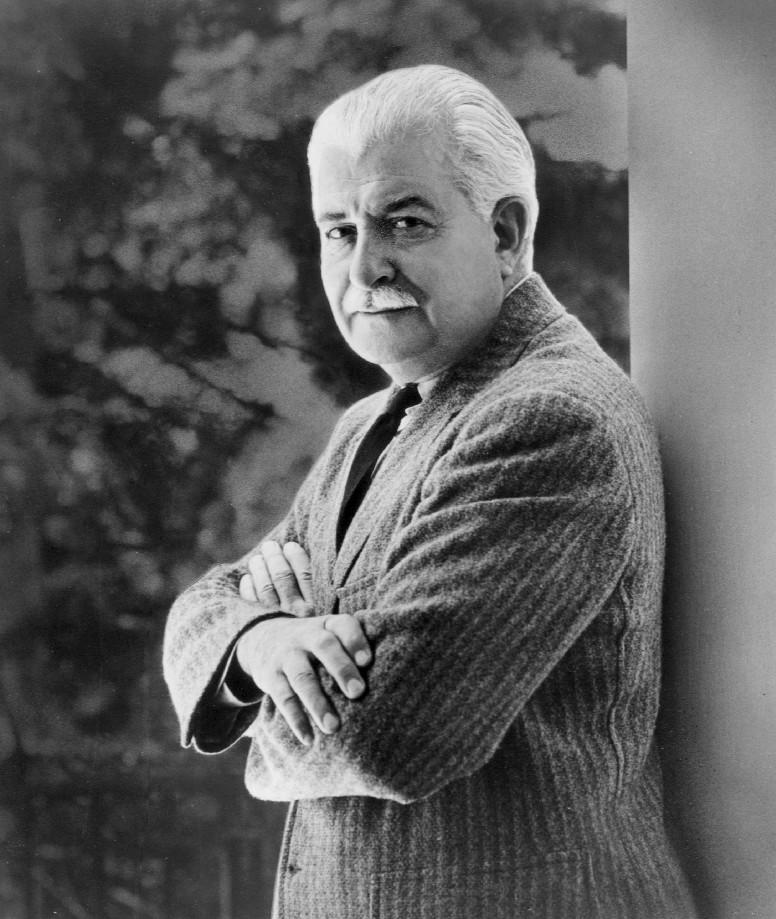
In 1930 Arthur Fiedler, a BSO member who had already founded his own orchestra of fellow BSO members and initiated (in 1929) a popular concert series at the outdoors waterfront area called the Esplanade, was engaged… as the Pops' full-time conductor. He devised an innovative format comprising three parts: a popular symphony or concerto flanked by lighter music. Fiedler, a flamboyant, camera-loving personality, soon gathered a huge personal following among record-buyers in North America, also making the Pops a household word and one of RCA Red Seal Records' best-selling acts.
In 1969, Boston television station WGBH began televising the Evening with Pops series, making the organization even more of a household word. The live broadcasts of the spectacular Fourth of July concerts on the Esplanade are a regular holiday event for large numbers of American music lovers.
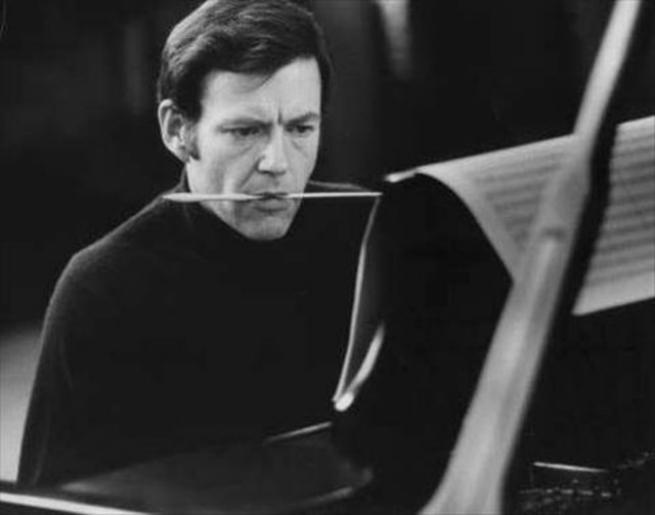
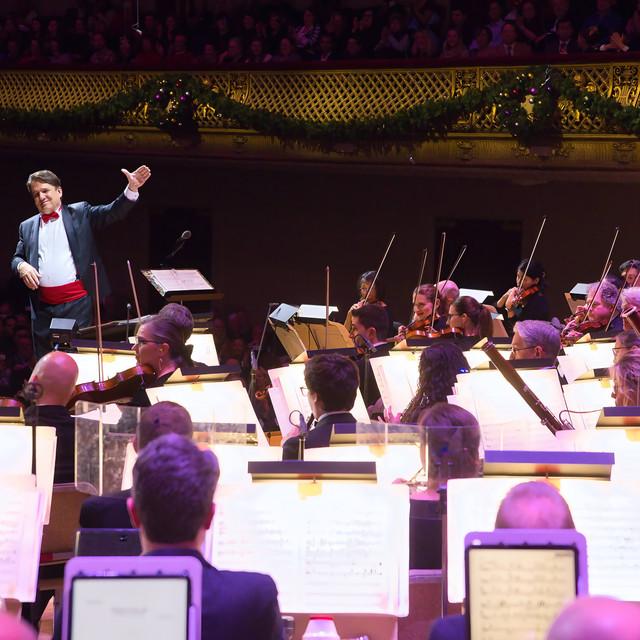
After Fiedler's 50 years at the helm, he was succeeded in 1980 by John Williams, the famous film score composer. Williams' programs, frequently including a composition of his own (for which he was sometimes criticized), altered the content of Pops concerts somewhat, but maintained the tradition of three parts, with the heaviest music in the middle. Following Williams' retirement in 1993, the young conductor and Carnegie Mellon University alumnus Keith Lockhart (the same age as Fiedler when he was appointed), was named Pops maestro in 1995. He returned the orchestra to its previous association with RCA (Williams had recorded on Philips and Sony), and as the twentieth century ended, his engaging personality and handsome good looks were building a personal following similar to Fiedler's.
Viberate is a music analytics platform built for A&Rs, artist managers, labels, booking agents, marketers, and artists.
It helps music professionals track artist growth, analyze audience data, monitor playlist activity, compare artists, follow song performance, and identify opportunities across the music market.
Public artist pages provide a free preview of selected artist data. Paid plans provide access to deeper analytics, historical data, charts, comparisons, playlist tools, exports, alerts, reports, and additional professional features.
Yes. Public Viberate artist pages provide selected artist analytics and music data for free.
Viberate also offers a 7-day free trial of the full platform. A credit card is required to start the trial. The trial includes access to the complete product so users can test deeper artist analytics, historical views, playlist insights, comparisons, charts, exports, alerts, and reporting features before choosing a paid plan.
Viberate provides artist analytics across streaming, playlists, social media, video, radio airplay, songs, and audience markets.
Users can analyze Spotify performance, Spotify and Apple Music playlists, YouTube activity, TikTok and Instagram growth, radio spins, song performance, audience locations, demographics, rankings, and overall artist momentum.
Artist profiles also connect to music charts, similar artists, and comparison tools, helping users benchmark performance and evaluate artists in context.
Viberate updates key artist and track data daily.
For followed artists and tracks, selected data is refreshed multiple times per day. This helps teams monitor playlist changes, streaming movement, audience growth, releases, and campaign performance with more current data.
Update frequency can vary depending on the metric and data source.
Yes. Viberate lets users compare up to five artists side by side across streaming, social media, audience, and engagement metrics.
Users can compare fanbase growth, audience demographics, locations, Spotify performance, social metrics, and other artist data over selected time periods.
Artist comparison can be used for A&R scouting, benchmarking, booking decisions, campaign planning, and evaluating artists with similar audiences or market positions.