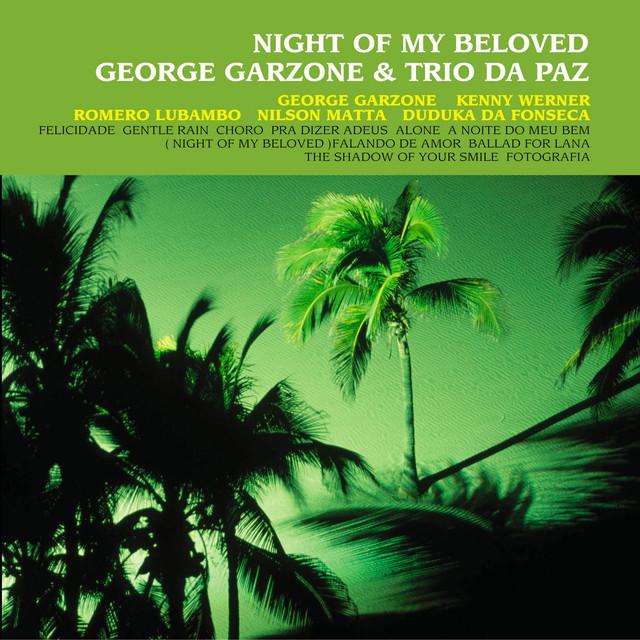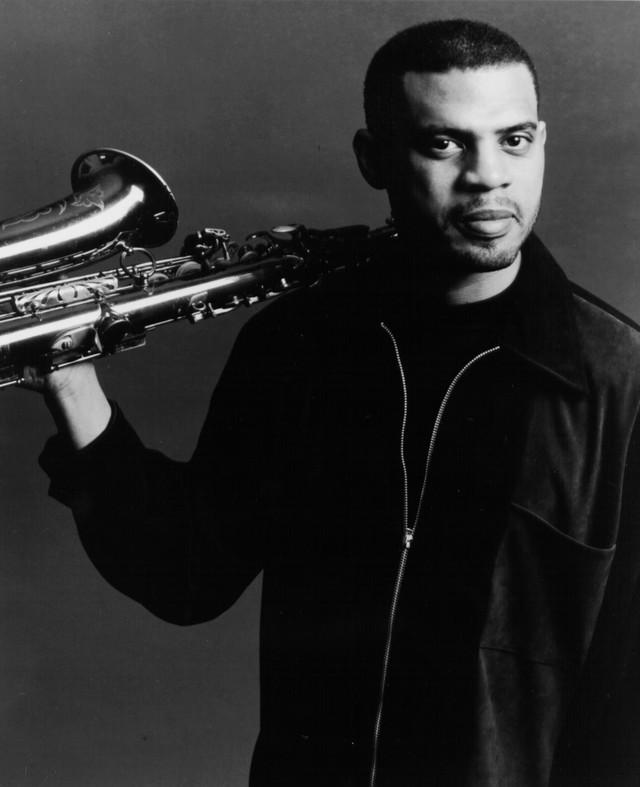
Bob Sheppard

Jazz
Jazz Fusion
Funk Rock
 Viberate Rank: 328162
 Viberate Rank: 328162
 Monthly ListenersFollowers
 Subscribers
 Followers
 Followers
 FansTop Spotify Songs
| Track | 7-Day Streams | |
|---|---|---|
1 | 1.01K | |
2 | 398 | |
3 | 193 | |
4 | 178 | |
5 | 111 |
Top YouTube VideosMonthly ListenersFeatured in Playlists| Playlist | Followers | |
|---|---|---|
1 |  2016 Grammy Preview Billboard | 56.36K |
2 |  New York Jazz Lounge Lullify Music Group | 11.99K |
3 | Drumless practice tracks Andrei Jussila | 10.16K |
4 |  ECM Yves Riviere | 5.39K |
5 |  Jazzy Sounds ofennel | 4.83K |
Audience| City | Monthly Listeners | |
|---|---|---|
1 | | 11 |
2 |  | 8 |
3 | | 8 |
4 | | 6 |
5 |  | 5 |
See full performance history, audience data, playlist activity, rankings, comparisons, and more in Viberate music analytics. Start with a free trial, then continue with a paid plan.
Bob Sheppard’s Spotify BioBob Sheppard is known as one of the most sought-after and well-respected saxophonists on the West Coast. He participates in a wide range of activities based in Los Angeles, from touring with different groups to playing on movie and television soundtracks and teaching. Sheppard received a master's degree at the Eastman School of Music, then began his professional career playing with a diverse array of jazz and pop musicians. He has performed prominently with drummer Peter Erskine, Chick Corea's Grammy-nominated Origin ensemble, and for many years with pianist Billy Childs. As a sideman he's accompanied Freddie Hubbard, Randy Brecker, Mike Stern, Scott Henderson, Lyle Mays, Dianne Reeves, Kurt Elling, Horace Silver, Nat Adderley, the Tonight Show Orchestra, Bobby Shew, Bob Florence, Bill Holman, and the big bands of Toshinko Akiyoshi and Lew Tabackin. In the rock and pop world he has accompanied Steely Dan, James Taylor, Rickie Lee Jones, and others. Sheppard's tenor sax sound recalls… the post-John Coltrane mode adopted by Michael Brecker, Bob Mintzer, Bobby Mallach, and Ernie Watts, but retains a neo-bop-based sound of his own. He also employs clarinet, bass clarinet, flutes, and the soprano sax. In addition, he has been an adjunct professor of jazz at University of Southern California. ~ Michael G. Nastos, Rovi
Viberate is a music analytics platform built for A&Rs, artist managers, labels, booking agents, marketers, and artists.
It helps music professionals track artist growth, analyze audience data, monitor playlist activity, compare artists, follow song performance, and identify opportunities across the music market.
Public artist pages provide a free preview of selected artist data. Paid plans provide access to deeper analytics, historical data, charts, comparisons, playlist tools, exports, alerts, reports, and additional professional features.
Yes. Public Viberate artist pages provide selected artist analytics and music data for free.
Viberate also offers a 7-day free trial of the full platform. A credit card is required to start the trial. The trial includes access to the complete product so users can test deeper artist analytics, historical views, playlist insights, comparisons, charts, exports, alerts, and reporting features before choosing a paid plan.
Viberate provides artist analytics across streaming, playlists, social media, video, radio airplay, songs, and audience markets.
Users can analyze Spotify performance, Spotify and Apple Music playlists, YouTube activity, TikTok and Instagram growth, radio spins, song performance, audience locations, demographics, rankings, and overall artist momentum.
Artist profiles also connect to music charts, similar artists, and comparison tools, helping users benchmark performance and evaluate artists in context.
Viberate updates key artist and track data daily.
For followed artists and tracks, selected data is refreshed multiple times per day. This helps teams monitor playlist changes, streaming movement, audience growth, releases, and campaign performance with more current data.
Update frequency can vary depending on the metric and data source.
Yes. Viberate lets users compare up to five artists side by side across streaming, social media, audience, and engagement metrics.
Users can compare fanbase growth, audience demographics, locations, Spotify performance, social metrics, and other artist data over selected time periods.
Artist comparison can be used for A&R scouting, benchmarking, booking decisions, campaign planning, and evaluating artists with similar audiences or market positions.