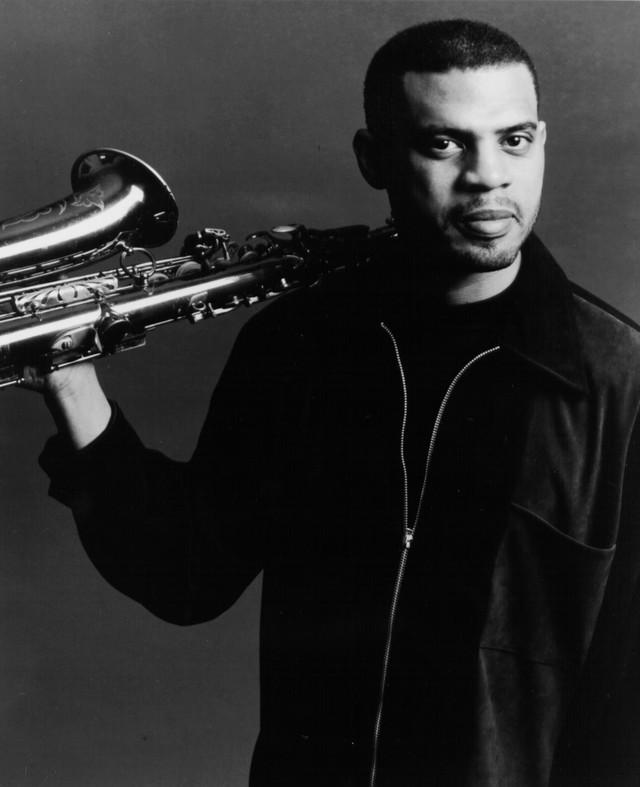
George Colligan

Jazz
Free Jazz
Smooth Jazz
 Viberate Rank: 294007
 Viberate Rank: 294007
 Monthly ListenersFollowers
 Subscribers
 Followers
 Followers
 FansTop Spotify Songs
| Track | 7-Day Streams | |
|---|---|---|
1 | 103 | |
2 | 86 | |
3 | 71 | |
4 | 70 | |
5 | 60 |
Top YouTube VideosMonthly ListenersFeatured in Playlists| Playlist | Followers | |
|---|---|---|
1 |  Japanese Coffee Jazz Chris Grit | 19.57K |
2 |  Real Book - Jazz standards/classics Anders Garbom Bjørklund | 13.79K |
3 |  Fast Jazz! Filip Grbović | 10.84K |
4 | Upbeat Jazz Piano Trios davphelps | 5.48K |
5 | Chesky Records spulim | 5.35K |
Audience| City | Monthly Listeners | |
|---|---|---|
1 | | 34 |
2 | | 18 |
3 |  | 18 |
4 | | 15 |
5 | | 15 |
See full performance history, audience data, playlist activity, rankings, comparisons, and more in Viberate music analytics. Start with a free trial, then continue with a paid plan.
George Colligan’s Spotify BioGeorge Colligan is an advanced jazz pianist and composer who has done high-ranking work as a sideman and a leader. His most high-profile association, with vocalist Cassandra Wilson, began in 2000 and continues at the time of this writing. He has also played with Ravi Coltrane, Robin Eubanks, David Gilmore, Myron Walden, Steve Wilson, and many other stellar musicians, young and old. His own bands have boasted talents as formidable as Mark Turner and Kurt Rosenwinkel. Born in New Jersey and raised mostly in Maryland, Colligan began his musical life on the trumpet, an instrument on which he still occasionally performs and records. (Colligan is also a viable jazz drummer.) He attended the Peabody Conservatory as a classical trumpet major but became increasingly drawn to jazz piano. In 1990 he attended the Banff Summer Jazz Workshop in Canada. After several years as a freelancer in the Maryland area, Colligan relocated to New York, where his success has continued to mount. Colligan released… his first two albums, 1996's Activism and 1997's Newcomer, on the Steeplechase label. Switching to the Fresh Sound New Talent label, he followed up in 1999 with Unresolved and in 2000 with Desire. Agent 99 appeared in summer 2001. ~ David R. Adler, Rovi
Viberate is a music analytics platform built for A&Rs, artist managers, labels, booking agents, marketers, and artists.
It helps music professionals track artist growth, analyze audience data, monitor playlist activity, compare artists, follow song performance, and identify opportunities across the music market.
Public artist pages provide a free preview of selected artist data. Paid plans provide access to deeper analytics, historical data, charts, comparisons, playlist tools, exports, alerts, reports, and additional professional features.
Yes. Public Viberate artist pages provide selected artist analytics and music data for free.
Viberate also offers a 7-day free trial of the full platform. A credit card is required to start the trial. The trial includes access to the complete product so users can test deeper artist analytics, historical views, playlist insights, comparisons, charts, exports, alerts, and reporting features before choosing a paid plan.
Viberate provides artist analytics across streaming, playlists, social media, video, radio airplay, songs, and audience markets.
Users can analyze Spotify performance, Spotify and Apple Music playlists, YouTube activity, TikTok and Instagram growth, radio spins, song performance, audience locations, demographics, rankings, and overall artist momentum.
Artist profiles also connect to music charts, similar artists, and comparison tools, helping users benchmark performance and evaluate artists in context.
Viberate updates key artist and track data daily.
For followed artists and tracks, selected data is refreshed multiple times per day. This helps teams monitor playlist changes, streaming movement, audience growth, releases, and campaign performance with more current data.
Update frequency can vary depending on the metric and data source.
Yes. Viberate lets users compare up to five artists side by side across streaming, social media, audience, and engagement metrics.
Users can compare fanbase growth, audience demographics, locations, Spotify performance, social metrics, and other artist data over selected time periods.
Artist comparison can be used for A&R scouting, benchmarking, booking decisions, campaign planning, and evaluating artists with similar audiences or market positions.