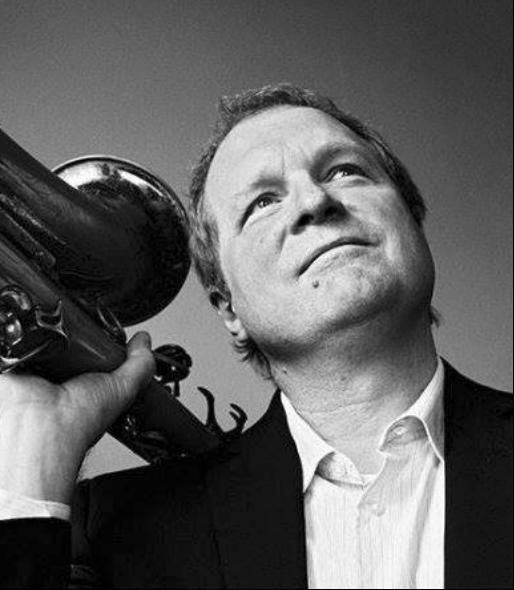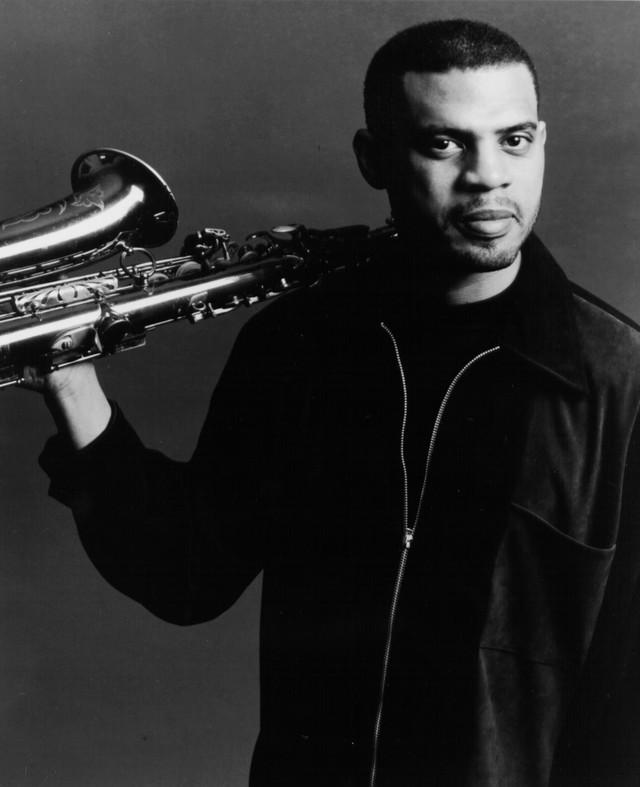
George Garzone

Jazz
Smooth Jazz
Bebop
 Viberate Rank: 210190
 Viberate Rank: 210190
 Monthly ListenersFollowers
 Subscribers
 Followers
 Followers
 FansTop Spotify Songs
| Track | 7-Day Streams | |
|---|---|---|
1 | 536 | |
2 | 343 | |
3 | 266 | |
4 | 200 | |
5 | 181 |
Top YouTube VideosMonthly ListenersFeatured in Playlists| Playlist | Followers | |
|---|---|---|
1 | Smooth Instrumental Jazz 8sparrows | 9.13K |
2 |  ECM Yves Riviere | 5.39K |
3 | Chilled Saxaphone Jazz Solomon Petrovski | 4.54K |
4 | Jazz para Estudar 📚☕ Caio | 4.08K |
5 | ECM RECORDS Artists On Spotify [www.laut.fm/gubifm] www.laut.fm/gubifm | 4.08K |
Audience| City | Monthly Listeners | |
|---|---|---|
1 | | 34 |
2 |  | 27 |
3 |  | 25 |
4 | | 23 |
5 |  | 23 |
See full performance history, audience data, playlist activity, rankings, comparisons, and more in Viberate music analytics. Start with a free trial, then continue with a paid plan.
George Garzone’s Spotify BioA powerful tenor saxophonist whose adventurous flights with his longtime band the Fringe have made him a legend in the Boston area, George Garzone has spent most of his life as a jazz educator. He began on the tenor when he was six, played in a family band, and attended music school in Boston. Garzone first formed his trio the Fringe (a group that in the mid-'90s also included founding member Bob Gullotti on drums and bassist John Lockwood) back in 1972. In addition, Garzone has guested in many situations, touring Europe with Jamaaladeen Tacuma and gigging with Danilo Perez, Joe Lovano, Jack DeJohnette, Rachel Z, and John Patitucci, among others. In 1995, he recorded a fine tribute to Stan Getz on NYC called Alone; Four's and Two's followed a year later and in 1999, Garzone returned with Moodiology. Fringe in New York was released in summer 2000. ~ Scott Yanow, Rovi
Viberate is a music analytics platform built for A&Rs, artist managers, labels, booking agents, marketers, and artists.
It helps music professionals track artist growth, analyze audience data, monitor playlist activity, compare artists, follow song performance, and identify opportunities across the music market.
Public artist pages provide a free preview of selected artist data. Paid plans provide access to deeper analytics, historical data, charts, comparisons, playlist tools, exports, alerts, reports, and additional professional features.
Yes. Public Viberate artist pages provide selected artist analytics and music data for free.
Viberate also offers a 7-day free trial of the full platform. A credit card is required to start the trial. The trial includes access to the complete product so users can test deeper artist analytics, historical views, playlist insights, comparisons, charts, exports, alerts, and reporting features before choosing a paid plan.
Viberate provides artist analytics across streaming, playlists, social media, video, radio airplay, songs, and audience markets.
Users can analyze Spotify performance, Spotify and Apple Music playlists, YouTube activity, TikTok and Instagram growth, radio spins, song performance, audience locations, demographics, rankings, and overall artist momentum.
Artist profiles also connect to music charts, similar artists, and comparison tools, helping users benchmark performance and evaluate artists in context.
Viberate updates key artist and track data daily.
For followed artists and tracks, selected data is refreshed multiple times per day. This helps teams monitor playlist changes, streaming movement, audience growth, releases, and campaign performance with more current data.
Update frequency can vary depending on the metric and data source.
Yes. Viberate lets users compare up to five artists side by side across streaming, social media, audience, and engagement metrics.
Users can compare fanbase growth, audience demographics, locations, Spotify performance, social metrics, and other artist data over selected time periods.
Artist comparison can be used for A&R scouting, benchmarking, booking decisions, campaign planning, and evaluating artists with similar audiences or market positions.