Blue Peter

Rock
Pop Rock
 Viberate Rank: 278603
 Viberate Rank: 278603
 Monthly ListenersFollowers
 Subscribers
 Followers
 Followers
 FansTop Spotify Songs
| Track | 7-Day Streams | |
|---|---|---|
1 | 1.40K | |
2 | 354 | |
3 | 306 | |
4 | 228 | |
5 | 169 |
Top YouTube VideosMonthly ListenersFeatured in Playlists| Playlist | Followers | |
|---|---|---|
1 | 80's 12" & Extended Remixes enigma804 | 47.02K |
2 |  School Spirits Official Playlist Spotify | 21.44K |
3 | 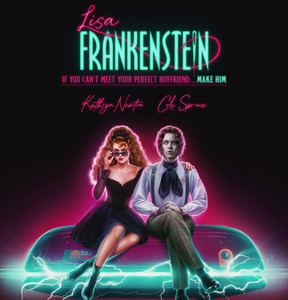 Lisa Frankenstein Soundtrack Lucky Streak Music | 18.83K |
4 |  The 12 Inches - 80s Maxi Singles Dirk | 11.54K |
5 |  80s Night Drive Col | 10.34K |
Audience| City | Monthly Listeners | |
|---|---|---|
1 | | 1.22K |
2 | | 284 |
3 | | 278 |
4 | | 175 |
5 | | 166 |
See full performance history, audience data, playlist activity, rankings, comparisons, and more in Viberate music analytics. Start with a free trial, then continue with a paid plan.
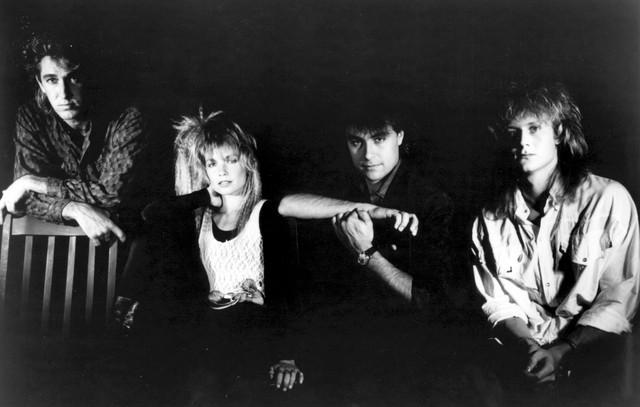
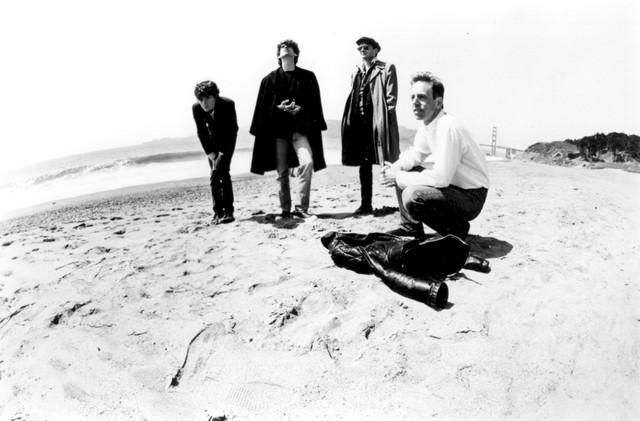
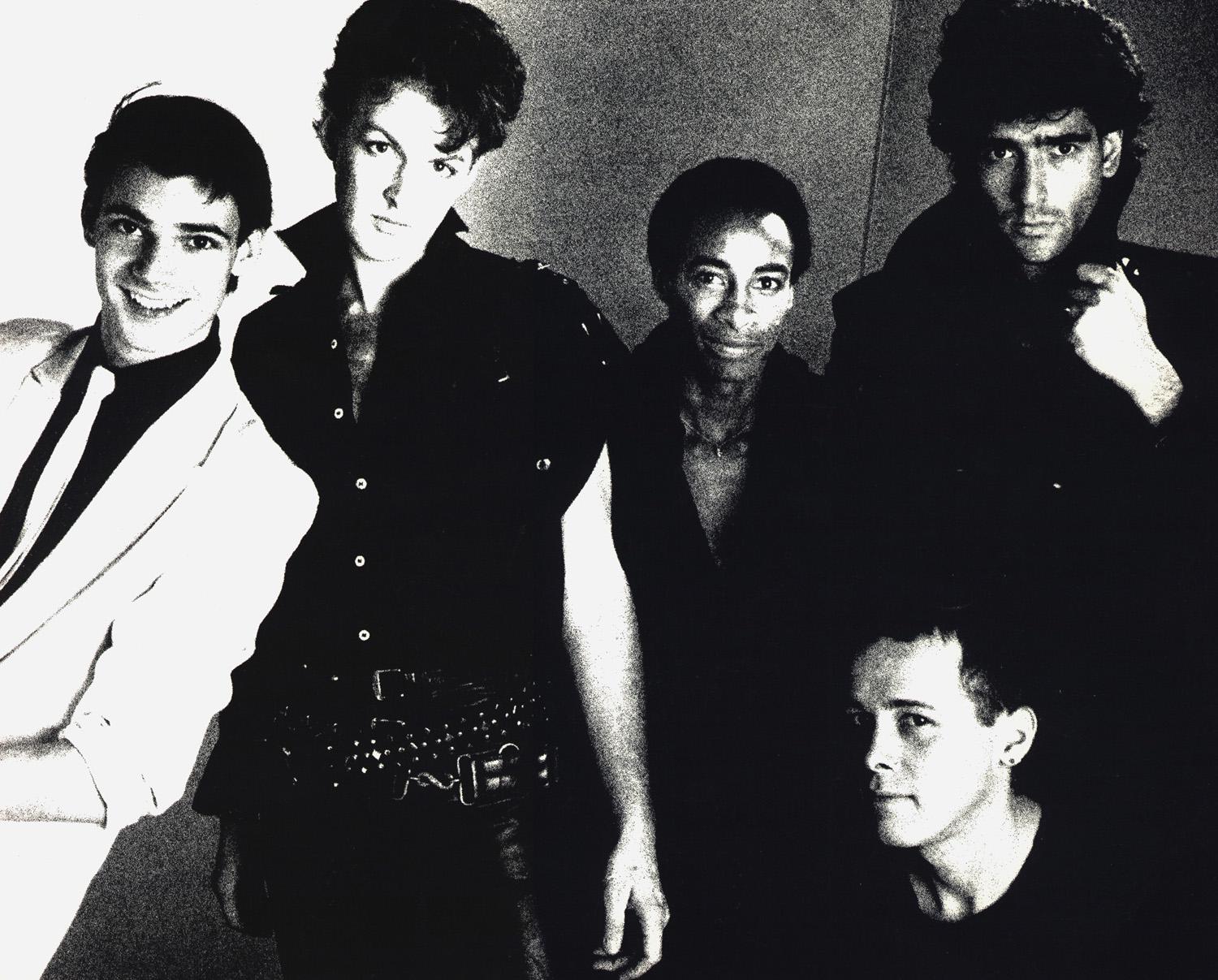
Blue Peter’s Spotify BioLed by key members Paul Humphrey (lead vocals) and Chris Wardman (guitar), and augmented by Jason Sniderman (keyboards) and the rhythm section Rick Joudrey on bass and Owen Tennyson on drums, Blue Peter were one of the most innovative and influential acts to emerge from the Toronto underground environment, and their brand of cutting edge pop, rhythm, and dance stands the test of time today.
The Blue Peter story started in the mid to late 70's when Chris Wardman and Paul Humphrey, who became the nucleus of the band, began practising and writing material. As the band developed, and began to secure gigs, Humphrey remembers that the era was one in which many new bands faced certain challenges that made the going difficult. "In those early days, there were no places for a band who did original material to play. Times did change, however, and the live venue scene in Toronto started to open up, providing more opportunities for young, up-and-coming bands to get a shot at playing gigs. "It was… an exciting time," recalls Humphrey. "Clubs like The Edge and Larry's Hideaway opened up and a lot of good bands with original music got a chance. There's a certain musical historical element to those days, and we were part of it."
As Blue Peter released singles, albums and EP's on Ready Records, and toured Canada regularly, the bands' popularity grew dramatically.
The video for “Don’t Walk Past” received airplay at MuchMusic and various U.S. outlets including MTV.
Viberate is a music analytics platform built for A&Rs, artist managers, labels, booking agents, marketers, and artists.
It helps music professionals track artist growth, analyze audience data, monitor playlist activity, compare artists, follow song performance, and identify opportunities across the music market.
Public artist pages provide a free preview of selected artist data. Paid plans provide access to deeper analytics, historical data, charts, comparisons, playlist tools, exports, alerts, reports, and additional professional features.
Yes. Public Viberate artist pages provide selected artist analytics and music data for free.
Viberate also offers a 7-day free trial of the full platform. A credit card is required to start the trial. The trial includes access to the complete product so users can test deeper artist analytics, historical views, playlist insights, comparisons, charts, exports, alerts, and reporting features before choosing a paid plan.
Viberate provides artist analytics across streaming, playlists, social media, video, radio airplay, songs, and audience markets.
Users can analyze Spotify performance, Spotify and Apple Music playlists, YouTube activity, TikTok and Instagram growth, radio spins, song performance, audience locations, demographics, rankings, and overall artist momentum.
Artist profiles also connect to music charts, similar artists, and comparison tools, helping users benchmark performance and evaluate artists in context.
Viberate updates key artist and track data daily.
For followed artists and tracks, selected data is refreshed multiple times per day. This helps teams monitor playlist changes, streaming movement, audience growth, releases, and campaign performance with more current data.
Update frequency can vary depending on the metric and data source.
Yes. Viberate lets users compare up to five artists side by side across streaming, social media, audience, and engagement metrics.
Users can compare fanbase growth, audience demographics, locations, Spotify performance, social metrics, and other artist data over selected time periods.
Artist comparison can be used for A&R scouting, benchmarking, booking decisions, campaign planning, and evaluating artists with similar audiences or market positions.