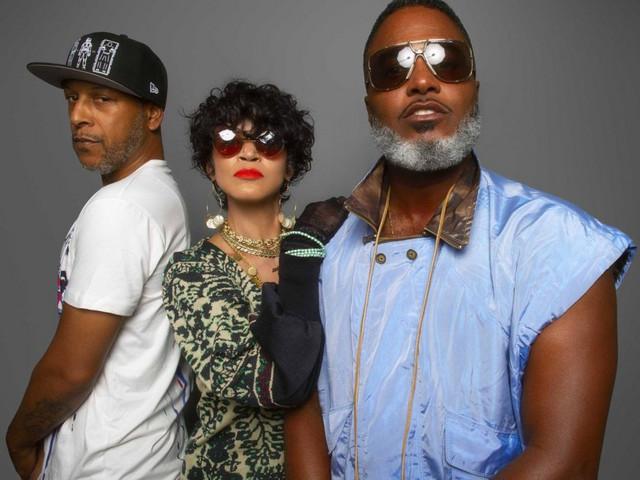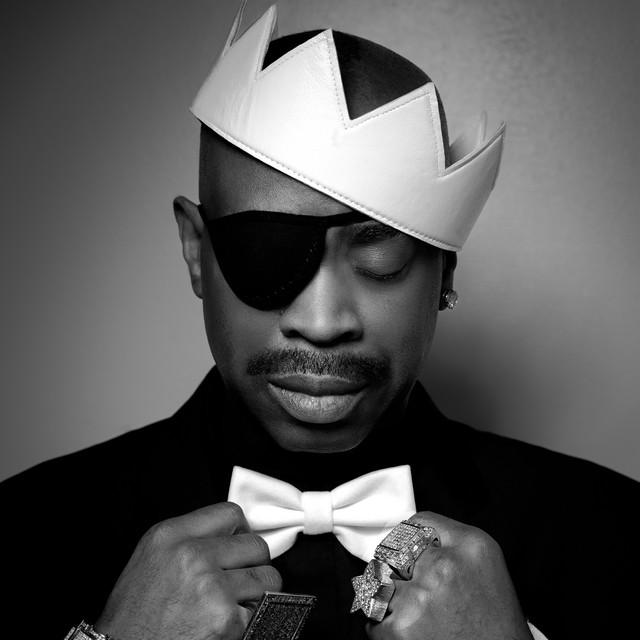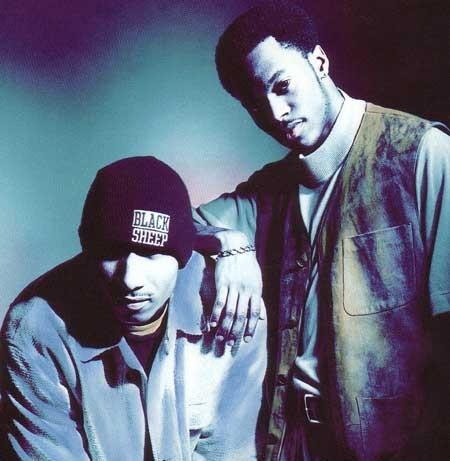
Black Sheep

Hip Hop
Contemporary Hip Hop
 Viberate Rank: 45295
 Viberate Rank: 45295
 Monthly ListenersFollowers
 Subscribers
 Followers
 Followers
 FansTop Spotify Songs
| Track | 7-Day Streams | |
|---|---|---|
1 | 140.22K | |
2 | 15.80K | |
3 | 15.32K | |
4 | 14.43K | |
5 | 8.04K |
Top YouTube Videos| Video | 7-Day Views | |
|---|---|---|
1 | 27.50K | |
2 | 1.87K | |
3 | 542 | |
4 | 308 |
Monthly ListenersFeatured in Playlists| Playlist | Followers | |
|---|---|---|
1 |  I Love My '90s Hip-Hop Spotify | 9.39M |
2 |  Old School Hip Hop Filtr Sweden | 779.25K |
3 | 90s Hip Hop Party Ridgway | 311.89K |
4 |  90s Hip Hop Classics Nick Minto | 222.73K |
5 |  Hip Hop 90s Hip Hop Heroes | 212.76K |
Audience| City | Monthly Listeners | |
|---|---|---|
1 | | 8.95K |
2 | | 8.31K |
3 | | 7.45K |
4 | | 6.54K |
5 |  | 5.89K |
See full performance history, audience data, playlist activity, rankings, comparisons, and more in Viberate music analytics. Start with a free trial, then continue with a paid plan.
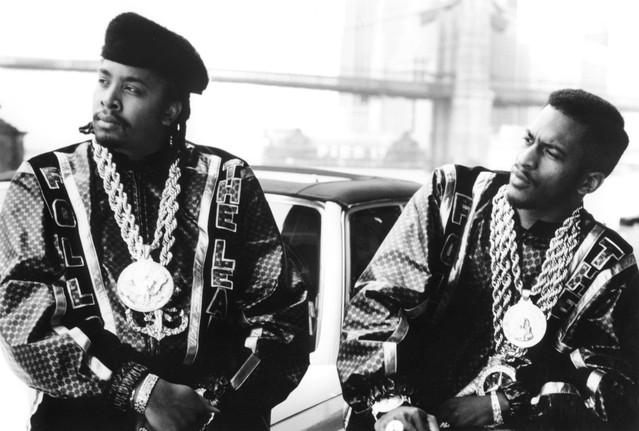
Black Sheep’s Spotify BioBlack Sheep were one of the most inventive duos to emerge during hip-hop's golden era. Affiliated with the Native Tongues crew, the duo shared A Tribe Called Quest's penchant for jazz samples and De La Soul's playfulness, but they delivered their socially conscious lyrics with a slightly sharper sense of humor, often making fun of hip-hop conventions and even themselves. Dres and Mista Lawnge scored a hit with 1991's A Wolf in Sheep's Clothing, one of rap music's most entertaining debuts, but broke up after 1994's Non-Fiction failed to replicate the success of their first effort. The duo briefly reunited during the early 2000s, but Lawnge left soon after. Dres continued using the name Black Sheep for his subsequent works, including From the Black Pool of Genius (2010) and Tortured Soul (2018).
Both members, Andre Titus (Dres) and William McLean (Mista Lawnge), were natives of New York who grew up in North Carolina, Titus the son of a military man. Both were also hip-hop fans during the… mid-'80s, Dres as an MC and Mista Lawnge as a DJ. Looking for a record contract, Lawnge moved to New York -- where he'd spent time as a child -- and played a gig with DJ Red Alert, who introduced him to Mike Gee of the Jungle Brothers. Gee's connection to the newly christened Native Tongues family inspired Lawnge to form Black Sheep and recruit Dres as the group's MC.
The duo's first release, "Flavor of the Month," was one of the hottest rap singles of 1991, and the ascendancy of Native Tongues groups De La Soul and A Tribe Called Quest only improved Black Sheep's fortunes. Their debut album, A Wolf in Sheep's Clothing, released on Mercury late that year, hit number 30 on the album charts and the next single, "The Choice Is Yours," was an MTV hit (thanks to director Chuck Stone's video) and a surprising success at college radio (aside from specialty shows, rap rarely appeared on college playlists at the time). The album eventually moved close to one million copies, and the pair appeared on the Brand New Heavies' Heavy Rhyme Experience, Vol. 1 next to Main Source, Gang Starr, the Pharcyde, and other highly regarded rap acts.
Black Sheep's long-awaited follow-up, Non-Fiction, didn't arrive until the tail end of 1994. The record received close to zero promotion and didn't receive anywhere near as much acclaim as A Wolf in Sheep's Clothing. The single "Without a Doubt" got a little airplay, but the duo split soon after. Both worked on varying projects, and Dres released his solo debut, Sure Shot Redemption, in 1999. One year later, he appeared in the film Once in the Life, Laurence Fishburne's debut as a director, playing a bagman for a drug kingpin. Black Sheep reunited to produce a track for the film's soundtrack, toured with Das EFX, and eventually released a three-track EP, Redlight, Greenlight, in 2002.
Black Sheep returned with 8WM/Novakane, initially released as a digital download in 2006 before being given a physical release a year later. While Lawnge made an appearance, he left Black Sheep before the album was released, and the production was handled by Showbiz, BeanOne, and Vitamin D. Dres appeared on tracks by Nas and Handsome Boy Modeling School, and Black Sheep's fourth full-length, From the Black Pool of Genius, appeared in 2010. The album featured guest appearances from Q-Tip, Jean Grae, and Rhymefest. In 2012, Dres and Jarobi (formerly of ATCQ) formed the duo evitaN and released the album Speed of Life. Dres continued recording new material throughout the decade, occasionally uploading tracks to SoundCloud, including a collaboration with jazz pianist Robert Glasper. Black Sheep's full-length Tortured Soul, featuring appearances by Jarobi and Sadat X (Brand Nubian), was released in 2018. ~ John Bush & Paul Simpson, Rovi
Viberate is a music analytics platform built for A&Rs, artist managers, labels, booking agents, marketers, and artists.
It helps music professionals track artist growth, analyze audience data, monitor playlist activity, compare artists, follow song performance, and identify opportunities across the music market.
Public artist pages provide a free preview of selected artist data. Paid plans provide access to deeper analytics, historical data, charts, comparisons, playlist tools, exports, alerts, reports, and additional professional features.
Yes. Public Viberate artist pages provide selected artist analytics and music data for free.
Viberate also offers a 7-day free trial of the full platform. A credit card is required to start the trial. The trial includes access to the complete product so users can test deeper artist analytics, historical views, playlist insights, comparisons, charts, exports, alerts, and reporting features before choosing a paid plan.
Viberate provides artist analytics across streaming, playlists, social media, video, radio airplay, songs, and audience markets.
Users can analyze Spotify performance, Spotify and Apple Music playlists, YouTube activity, TikTok and Instagram growth, radio spins, song performance, audience locations, demographics, rankings, and overall artist momentum.
Artist profiles also connect to music charts, similar artists, and comparison tools, helping users benchmark performance and evaluate artists in context.
Viberate updates key artist and track data daily.
For followed artists and tracks, selected data is refreshed multiple times per day. This helps teams monitor playlist changes, streaming movement, audience growth, releases, and campaign performance with more current data.
Update frequency can vary depending on the metric and data source.
Yes. Viberate lets users compare up to five artists side by side across streaming, social media, audience, and engagement metrics.
Users can compare fanbase growth, audience demographics, locations, Spotify performance, social metrics, and other artist data over selected time periods.
Artist comparison can be used for A&R scouting, benchmarking, booking decisions, campaign planning, and evaluating artists with similar audiences or market positions.