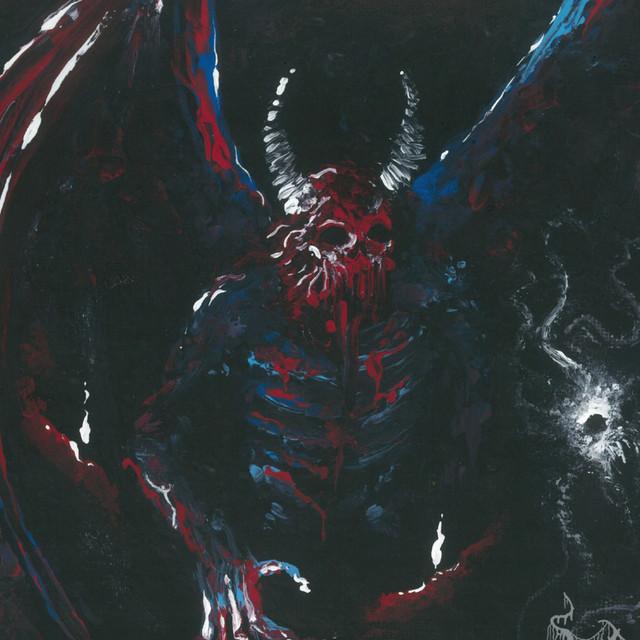
Black Breath

Metal
Death Metal
Grindcore
 Viberate Rank: 142795
 Viberate Rank: 142795
 Monthly ListenersFollowers
 Subscribers
 Followers
 Followers
 FansTop Spotify Songs
| Track | 7-Day Streams | |
|---|---|---|
1 | 4.56K | |
2 | 2.42K | |
3 | 1.79K | |
4 | 1.29K | |
5 | 1.08K |
Top YouTube VideosMonthly ListenersFeatured in Playlists| Playlist | Followers | |
|---|---|---|
1 |  Extreme Metal Workout Spotify | 727.68K |
2 | Metal🤘🏻 Naydil González | 16.46K |
3 |  Crust Punk / D-Beat Miguel Ciprés Avendaño | 12.56K |
4 |  Crust punk Gabriel | 8.43K |
5 |  The Sound of Sludge Metal The Sounds of Spotify | 7.44K |
Audience| City | Monthly Listeners | |
|---|---|---|
1 | | 282 |
2 | | 260 |
3 |  | 241 |
4 | | 208 |
5 | | 190 |
See full performance history, audience data, playlist activity, rankings, comparisons, and more in Viberate music analytics. Start with a free trial, then continue with a paid plan.
Black Breath’s Spotify BioOriginating in the town of Bellingham, WA and comprised of vocalist Nate McAdams, guitarists F. Funds and E. Wallace, bassist Elijah Nelson, and drummer J. Byrum Seattle-based Black Breath quickly established themselves as a popular Emerald City concert draw thanks to their crust-laden, metal-infused hardcore style, inspired by bands like Discharge, Poison Idea, and Wolverine Blues-era Entombed (who once covered the Repulsion track named "Black Breath," coincidentally). January of 2008 saw the independent release of the band's four-track EP, Razor to Oblivion, which eventually made its way into the hands of the Southern Lord label, and resulted in a contract for the band's debut full-length, Heavy Breathing, which hit the streets in early 2010. The group's sophomore effort, Sentenced to Life, arrived in 2012, again on Southern Lord, followed in 2015 by Slaves Beyond Death. ~ Eduardo Rivadavia, Rovi
Viberate is a music analytics platform built for A&Rs, artist managers, labels, booking agents, marketers, and artists.
It helps music professionals track artist growth, analyze audience data, monitor playlist activity, compare artists, follow song performance, and identify opportunities across the music market.
Public artist pages provide a free preview of selected artist data. Paid plans provide access to deeper analytics, historical data, charts, comparisons, playlist tools, exports, alerts, reports, and additional professional features.
Yes. Public Viberate artist pages provide selected artist analytics and music data for free.
Viberate also offers a 7-day free trial of the full platform. A credit card is required to start the trial. The trial includes access to the complete product so users can test deeper artist analytics, historical views, playlist insights, comparisons, charts, exports, alerts, and reporting features before choosing a paid plan.
Viberate provides artist analytics across streaming, playlists, social media, video, radio airplay, songs, and audience markets.
Users can analyze Spotify performance, Spotify and Apple Music playlists, YouTube activity, TikTok and Instagram growth, radio spins, song performance, audience locations, demographics, rankings, and overall artist momentum.
Artist profiles also connect to music charts, similar artists, and comparison tools, helping users benchmark performance and evaluate artists in context.
Viberate updates key artist and track data daily.
For followed artists and tracks, selected data is refreshed multiple times per day. This helps teams monitor playlist changes, streaming movement, audience growth, releases, and campaign performance with more current data.
Update frequency can vary depending on the metric and data source.
Yes. Viberate lets users compare up to five artists side by side across streaming, social media, audience, and engagement metrics.
Users can compare fanbase growth, audience demographics, locations, Spotify performance, social metrics, and other artist data over selected time periods.
Artist comparison can be used for A&R scouting, benchmarking, booking decisions, campaign planning, and evaluating artists with similar audiences or market positions.