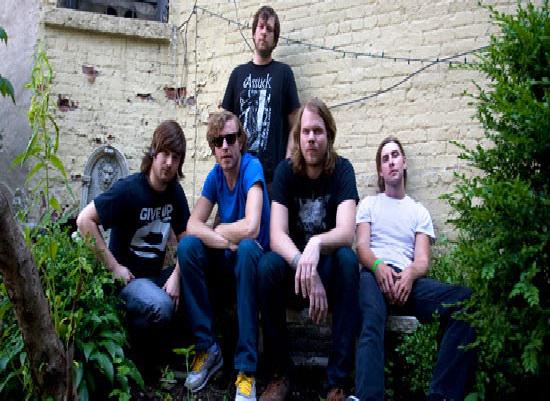
Ringworm

Metal
Metalcore/Deathcore
Hardstyle/Hardcore
 Viberate Rank: 139789
 Viberate Rank: 139789
 Monthly ListenersFollowers
 Subscribers
 Followers
 Followers
 FansTop Spotify Songs
| Track | 7-Day Streams | |
|---|---|---|
1 | 2.45K | |
2 | 1.59K | |
3 | 925 | |
4 | 650 | |
5 | 397 |
Top YouTube VideosMonthly ListenersFeatured in Playlists| Playlist | Followers | |
|---|---|---|
1 |  Extreme Metal Workout Spotify | 727.68K |
2 |  hardcore. Tehuringa | 27.00K |
3 | Metal🤘🏻 Naydil González | 16.46K |
4 | What Killed Metalcore? finnmckenty | 6.25K |
5 |  Hardlore's Best Breakdowns Playlist Knotfest | 4.16K |
Audience| City | Monthly Listeners | |
|---|---|---|
1 | | 251 |
2 | | 238 |
3 | | 209 |
4 | | 203 |
5 |  | 182 |
See full performance history, audience data, playlist activity, rankings, comparisons, and more in Viberate music analytics. Start with a free trial, then continue with a paid plan.
Ringworm’s Spotify BioRingworm is a metallic hardcore act with thrash, black, and death metal underpinnings that grew out of the fertile Cleveland underground punk scene of the early '90s. Led by vocalist and sole constant member James "Human Furnace" Bulloch, the band's earlier works embraced the pit-inducing fury of classic hardcore. Later efforts like 2005's Justice Replaced by Revenge, 2014's Hammer of the Witch, and 2023's Seeing Through Fire saw the group lean hard into their thrash tendencies while retaining an immovable foundation of brutalist hardcore.
Formed in 1989, Ringworm joined contemporaries like Integrity in a brutal musical community that blended purist hardcore with heavy metal influences and punishing live shows. They played constantly for four years all over Ohio and West Virginia, securing a rabid fan base who embraced their 1991 self-titled demo and bolstered their renown among the thrash underground in the continental U.S. Their debut full-length Promise appeared in 1993 on Incision,… and garnered enough interest to tour the U.S., following the release with several singles that cemented their reputation for sonic malevolence. After the inevitable round of lineup changes throughout the decade, the band went on hiatus, re-emerging in 2001 with Birth Is Pain on Victory, where they remained through 2005's unrelenting Justice Replaced by Revenge. Touring between albums became even more difficult as vocalist Human Furnace started a chain of tattoo shops called 252 Tattoo, while guitarist Frank Novinec joined Terror, precipitating another break. They reunited for 2011's hard-hitting Scars with a new lineup. In 2013, it was announced that Ringworm had signed with Relapse Records. After teasing fans with an EP that same year, they issued 2014's Hammer of the Witch, which reached number 14 on the US Heatseekers chart, ushering in a new era of success. Ringworm delivered Snake Church two years later and resumed a grueling international tour schedule in clubs, theaters, and on festival stages. In the spring of 2019, they unveiled their third long-player for Relapse. Entitled Death Becomes My Voice, it was recorded by longtime collaborator/engineer Ben Schigel and Noah C. Buchanan. They made a lateral move to Nuclear Blast ahead of the release of 2023's Seeing Through Fire, an urgent and uncompromising set of metallic hardcore brutality built on themes of discord and social conflict. ~ Eleanor Ditzel & James Christopher Monger, Rovi
Viberate is a music analytics platform built for A&Rs, artist managers, labels, booking agents, marketers, and artists.
It helps music professionals track artist growth, analyze audience data, monitor playlist activity, compare artists, follow song performance, and identify opportunities across the music market.
Public artist pages provide a free preview of selected artist data. Paid plans provide access to deeper analytics, historical data, charts, comparisons, playlist tools, exports, alerts, reports, and additional professional features.
Yes. Public Viberate artist pages provide selected artist analytics and music data for free.
Viberate also offers a 7-day free trial of the full platform. A credit card is required to start the trial. The trial includes access to the complete product so users can test deeper artist analytics, historical views, playlist insights, comparisons, charts, exports, alerts, and reporting features before choosing a paid plan.
Viberate provides artist analytics across streaming, playlists, social media, video, radio airplay, songs, and audience markets.
Users can analyze Spotify performance, Spotify and Apple Music playlists, YouTube activity, TikTok and Instagram growth, radio spins, song performance, audience locations, demographics, rankings, and overall artist momentum.
Artist profiles also connect to music charts, similar artists, and comparison tools, helping users benchmark performance and evaluate artists in context.
Viberate updates key artist and track data daily.
For followed artists and tracks, selected data is refreshed multiple times per day. This helps teams monitor playlist changes, streaming movement, audience growth, releases, and campaign performance with more current data.
Update frequency can vary depending on the metric and data source.
Yes. Viberate lets users compare up to five artists side by side across streaming, social media, audience, and engagement metrics.
Users can compare fanbase growth, audience demographics, locations, Spotify performance, social metrics, and other artist data over selected time periods.
Artist comparison can be used for A&R scouting, benchmarking, booking decisions, campaign planning, and evaluating artists with similar audiences or market positions.