Trap Them

Metal
Grindcore
 Viberate Rank: 180330
 Viberate Rank: 180330
 Monthly ListenersFollowers
 Subscribers
 Followers
 Followers
 FansTop Spotify Songs
| Track | 7-Day Streams | |
|---|---|---|
1 | 1.20K | |
2 | 1.00K | |
3 | 639 | |
4 | 561 | |
5 | 496 |
Top YouTube VideosMonthly ListenersFeatured in Playlists| Playlist | Followers | |
|---|---|---|
1 |  Hardcore Punk Pure Noise Records | 77.03K |
2 |  Crust Punk / D-Beat Miguel Ciprés Avendaño | 12.56K |
3 |  Initial-D-like 1113789538 | 9.04K |
4 |  The Sound of Sludge Metal The Sounds of Spotify | 7.44K |
5 |  The Sound of Grindcore The Sounds of Spotify | 5.22K |
Audience| City | Monthly Listeners | |
|---|---|---|
1 | | 124 |
2 | | 120 |
3 | | 102 |
4 |  | 94 |
5 |  | 86 |
See full performance history, audience data, playlist activity, rankings, comparisons, and more in Viberate music analytics. Start with a free trial, then continue with a paid plan.
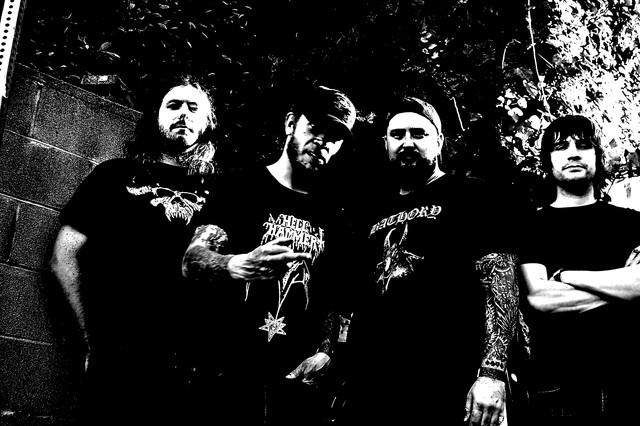
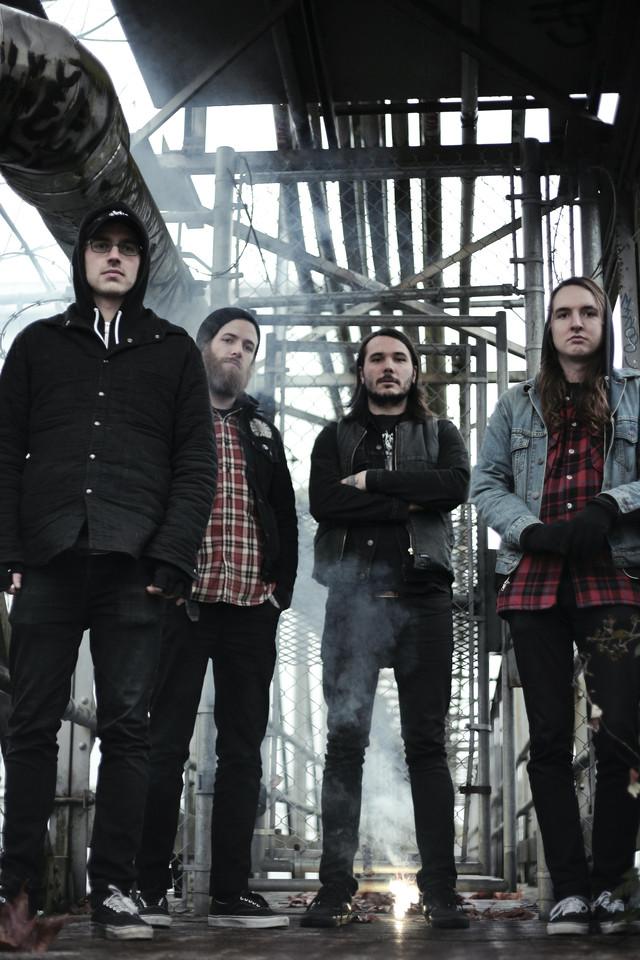
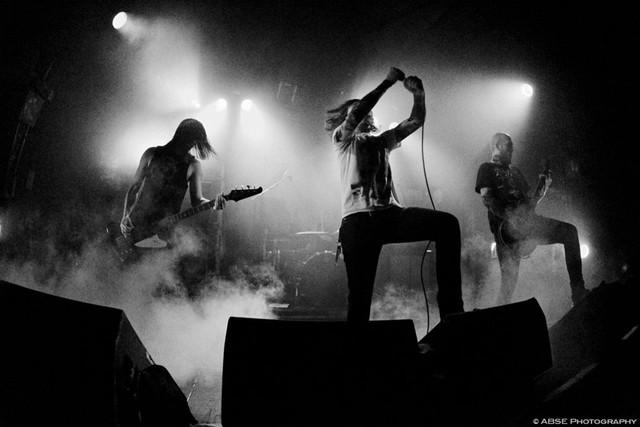
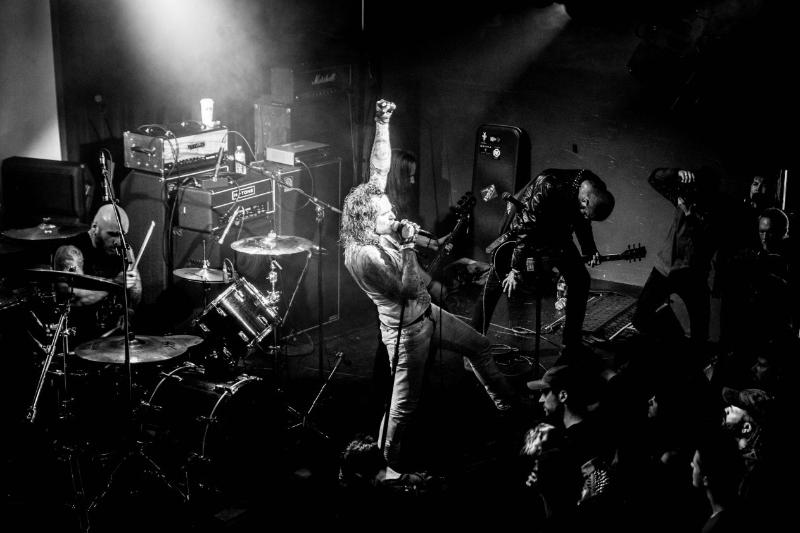
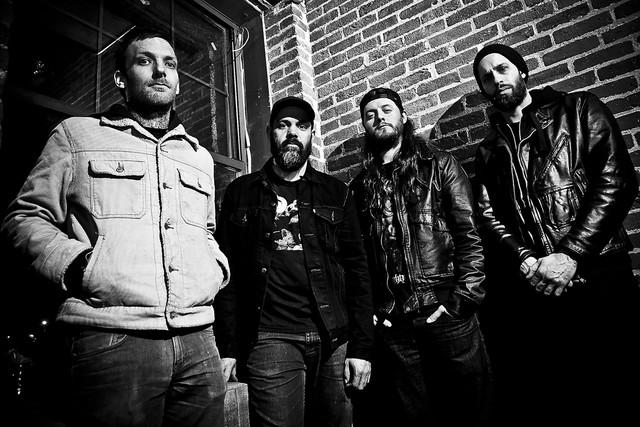
Trap Them’s Spotify BioMerging the heavy guitar assault of metal with the frantic tempos and lyrical rage of hardcore punk, Trap Them is a band that thrives on creative extremity. The band was formed in 2002 by vocalist Ryan McKenney (Backstabbers Inc.) and guitarist Brian Vincent Izzi (December Wolves), who shared an enthusiasm for uncompromising acts such as Entombed, Disfear, and Black Flag. The two friends began writing songs together using a drum machine, self-releasing an EP that sold out its first pressing of 100 copies at the merch table during a Backstabbers Inc. tour. By 2004, both McKenney and Izzi had parted ways with their other bands, and Trap Them cohered into a steady lineup with Derek Black on bass and Mike Sharp on drums. In early 2007, the group joined forces with Trash Art Records to release a 7" vinyl EP, Cunt Heir to the Throne, quickly followed by a full-length album, Sleepwell Deconstructor. Trap Them toured heavily behind the album, which earned rave reviews in the underground press,… and in the spring of 2007, noted hardcore label Deathwish Inc. signed the band. Tours with Napalm Death and Extreme Noise Terror preceded their sophomore LP, Seizures in Barren Praise, which arrived in late 2008. Uncompromising in both sound and approach, the band continued to tour heavily, remaining prolific enough to deliver both a new EP, 2010's Filth Rations, and a third LP, Darker Handcraft, a year later. The album was their first release for Prosthetic Records, which would also handle 2014's unrelenting Blissfucker. It was notable for being the first record to include new bassist Galen Baudhuin (Infera Bruo) and drummer Brad Fickeisen (No Salvation, the Red Chord), and was produced, once again, by Trap Them's longtime collaborator Kurt Ballou of the band Converge. Their fifth album, Crown Feral, arrived in September 2016. ~ Mark Deming & Timothy Monger, Rovi
Viberate is a music analytics platform built for A&Rs, artist managers, labels, booking agents, marketers, and artists.
It helps music professionals track artist growth, analyze audience data, monitor playlist activity, compare artists, follow song performance, and identify opportunities across the music market.
Public artist pages provide a free preview of selected artist data. Paid plans provide access to deeper analytics, historical data, charts, comparisons, playlist tools, exports, alerts, reports, and additional professional features.
Yes. Public Viberate artist pages provide selected artist analytics and music data for free.
Viberate also offers a 7-day free trial of the full platform. A credit card is required to start the trial. The trial includes access to the complete product so users can test deeper artist analytics, historical views, playlist insights, comparisons, charts, exports, alerts, and reporting features before choosing a paid plan.
Viberate provides artist analytics across streaming, playlists, social media, video, radio airplay, songs, and audience markets.
Users can analyze Spotify performance, Spotify and Apple Music playlists, YouTube activity, TikTok and Instagram growth, radio spins, song performance, audience locations, demographics, rankings, and overall artist momentum.
Artist profiles also connect to music charts, similar artists, and comparison tools, helping users benchmark performance and evaluate artists in context.
Viberate updates key artist and track data daily.
For followed artists and tracks, selected data is refreshed multiple times per day. This helps teams monitor playlist changes, streaming movement, audience growth, releases, and campaign performance with more current data.
Update frequency can vary depending on the metric and data source.
Yes. Viberate lets users compare up to five artists side by side across streaming, social media, audience, and engagement metrics.
Users can compare fanbase growth, audience demographics, locations, Spotify performance, social metrics, and other artist data over selected time periods.
Artist comparison can be used for A&R scouting, benchmarking, booking decisions, campaign planning, and evaluating artists with similar audiences or market positions.