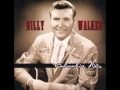
Billy Walker

Country
Contemporary Country
 Viberate Rank: 86982
 Viberate Rank: 86982
 Monthly ListenersFollowers
 Subscribers
 Followers
 Followers
 FansTop Spotify Songs
| Track | 7-Day Streams | |
|---|---|---|
1 | 96.26K | |
2 | 15.43K | |
3 | 15.16K | |
4 | 6.41K | |
5 | 6.03K |
Top YouTube VideosMonthly ListenersFeatured in Playlists| Playlist | Followers | |
|---|---|---|
1 |  songs to bleed out to banny | 15.98K |
2 |  God & Country Music Braden Smith | 15.50K |
3 | Alabama – Greatest Hits 123toleman | 13.45K |
4 |  Rockabilly Peter Karlsson | 13.32K |
5 |  Cowboy Songs Only! Ross P | 11.92K |
Audience| City | Monthly Listeners | |
|---|---|---|
1 | | 4.85K |
2 | | 3.50K |
3 | | 3.48K |
4 | | 3.23K |
5 | | 2.79K |
See full performance history, audience data, playlist activity, rankings, comparisons, and more in Viberate music analytics. Start with a free trial, then continue with a paid plan.
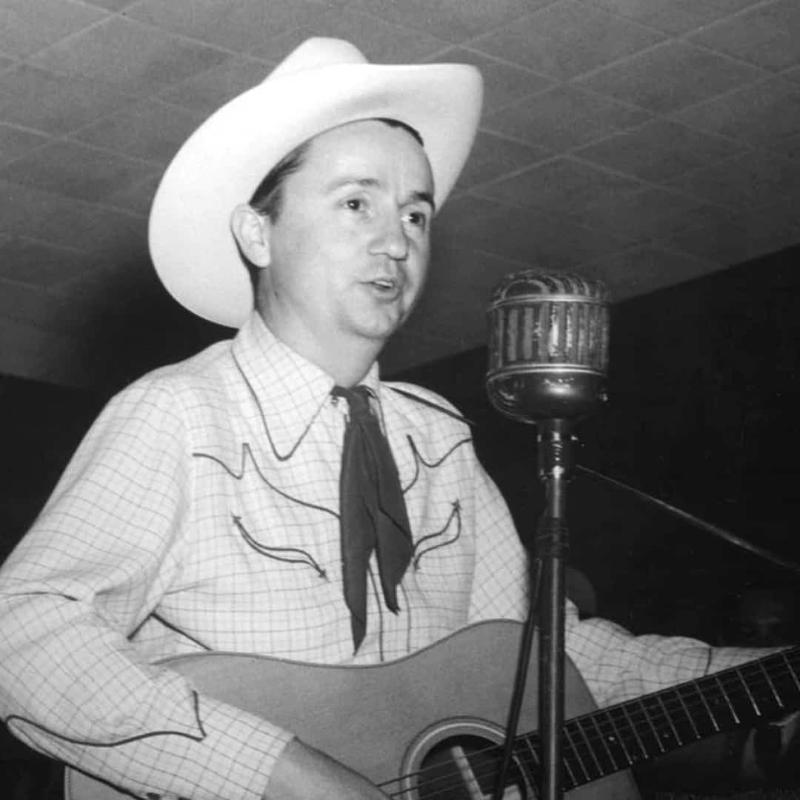
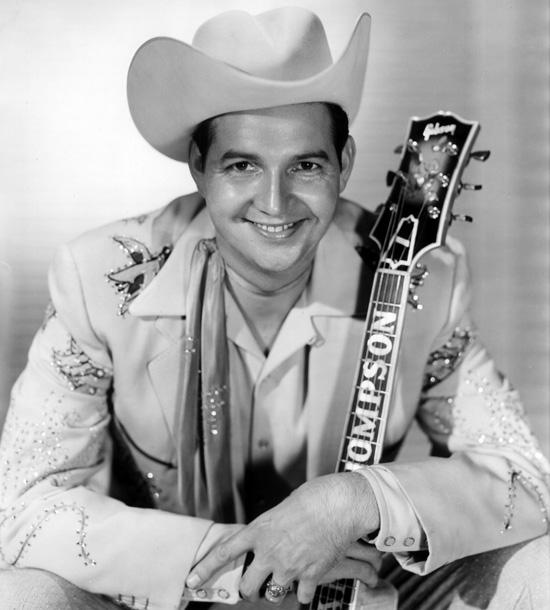
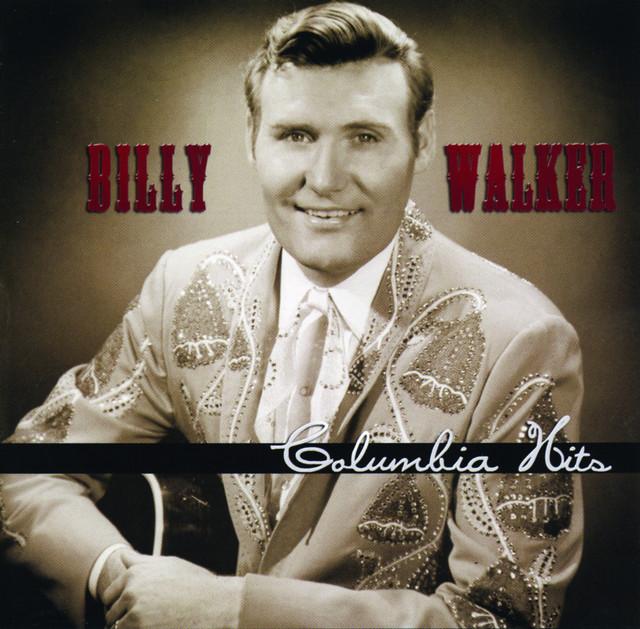
Billy Walker’s Spotify BioA native of west Texas who was active on the Grand Ole Opry, Billy Walker emerged from the talent-rich Dallas scene of the late '40s and early '50s. After a brief stint on Capitol, he was signed to Columbia in 1951 at almost exactly the same time as Ray Price. For a while, Walker, Price, and Lefty Frizzell were all recording at the legendary Jim Beck studio in Dallas, which did for '50s honky tonk what Sun Studio in Memphis did for rockabilly. Nevertheless, Walker notched virtually all of his dozen-plus Top Ten hits in Nashville (beginning in the '60s), where the studio sound was perhaps more suited to his smooth tenor voice.
Walker was born on a farm but was raised in an orphanage after his mother's death. When he was 11 years old, he returned to live with his father, who had remarried. Walker learned the guitar from his father, and after seeing a Gene Autry film, he was determined to become a singer. He appeared on radio in Clovis when he was 15 and two years later, appeared as the… "Traveling Texan" on the Big D Jamboree radio show on KRLD Dallas. Walker recorded for Capitol Records from 1949-1951, but he didn't make the U.S. country charts until he recorded "Thank You for Calling" for Columbia in 1954. He dispensed with his "Traveling Texan" persona and joined both the Louisiana Hayride and the Ozark Jubilee. From 1960 onward, he was a regular performer at the Grand Ole Opry.
Walker was the first to record Willie Nelson's "Funny How Time Slips Away," and he passed another of Nelson's songs, "Crazy," to Patsy Cline. In 1962, Walker had his first country number one with "Charlie's Shoes." Subsequent successes included "Cross the Brazos at Waco," "A Million to One," "Sundown Mary," "She Goes Walking Through My Mind," and "Sing Me a Love Song to Baby," followed by a succession of minor chart successes for a variety of companies, including his own Tall Texan label. By the end of 1988, he had placed 65 records in the U.S. country charts, including duets with Barbara Fairchild on "The Answer Game" and "Let Me Be the One." His own songs included a tribute to Marty Robbins, "He Sang the Songs About El Paso." Walker, who was a born-again Christian, notably stated "Current crossover trends are like mixing chocolate, strawberry, and vanilla in the same bowl. Not only is it an ugly color but it leaves a bad taste in one's mouth." In May of 2006, Walker died in an early morning automobile accident on an Alabama interstate south of Montgomery. His wife and two bandmembers were also killed, while his 21-year-old grandson was seriously injured. ~ Dan Cooper, Rovi
Viberate is a music analytics platform built for A&Rs, artist managers, labels, booking agents, marketers, and artists.
It helps music professionals track artist growth, analyze audience data, monitor playlist activity, compare artists, follow song performance, and identify opportunities across the music market.
Public artist pages provide a free preview of selected artist data. Paid plans provide access to deeper analytics, historical data, charts, comparisons, playlist tools, exports, alerts, reports, and additional professional features.
Yes. Public Viberate artist pages provide selected artist analytics and music data for free.
Viberate also offers a 7-day free trial of the full platform. A credit card is required to start the trial. The trial includes access to the complete product so users can test deeper artist analytics, historical views, playlist insights, comparisons, charts, exports, alerts, and reporting features before choosing a paid plan.
Viberate provides artist analytics across streaming, playlists, social media, video, radio airplay, songs, and audience markets.
Users can analyze Spotify performance, Spotify and Apple Music playlists, YouTube activity, TikTok and Instagram growth, radio spins, song performance, audience locations, demographics, rankings, and overall artist momentum.
Artist profiles also connect to music charts, similar artists, and comparison tools, helping users benchmark performance and evaluate artists in context.
Viberate updates key artist and track data daily.
For followed artists and tracks, selected data is refreshed multiple times per day. This helps teams monitor playlist changes, streaming movement, audience growth, releases, and campaign performance with more current data.
Update frequency can vary depending on the metric and data source.
Yes. Viberate lets users compare up to five artists side by side across streaming, social media, audience, and engagement metrics.
Users can compare fanbase growth, audience demographics, locations, Spotify performance, social metrics, and other artist data over selected time periods.
Artist comparison can be used for A&R scouting, benchmarking, booking decisions, campaign planning, and evaluating artists with similar audiences or market positions.