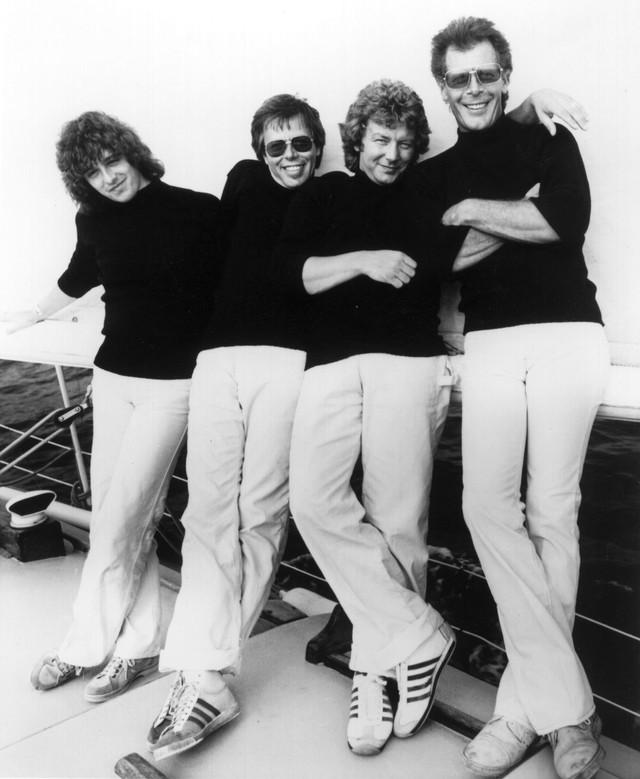
Billy Thorpe

Rock
Folk Rock
Alternative Rock
 Viberate Rank: 162621
 Viberate Rank: 162621
 Monthly ListenersFollowers
 Subscribers
 Followers
 Followers
 FansTop Spotify Songs
| Track | 7-Day Streams | |
|---|---|---|
1 | 17.07K | |
2 | 2.11K | |
3 | 2.07K | |
4 | 1.49K | |
5 | 444 |
Top YouTube VideosMonthly ListenersFeatured in Playlists| Playlist | Followers | |
|---|---|---|
1 | Reddit's Hype Playlist kfbest | 27.36K |
2 | Best Classic Rock from the 70s and 80s WilliamX | 24.50K |
3 |  Fargo Soundtrack Humberto Carta | 21.52K |
4 |  AUSSIE BBQ CLASSICS Kyle Kemp | 14.96K |
5 |  1001 Songs You Must Hear Before You Die (2017) Marie Delcos | 12.81K |
Audience| City | Monthly Listeners | |
|---|---|---|
1 |  | 4.06K |
2 | | 3.85K |
3 | | 2.79K |
4 | | 1.56K |
5 | | 1.06K |
See full performance history, audience data, playlist activity, rankings, comparisons, and more in Viberate music analytics. Start with a free trial, then continue with a paid plan.
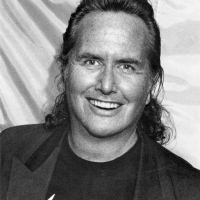
Billy Thorpe’s Spotify BioBilly Thorpe is one of the enigmas of Australian music, a man of many careers. It began in Brisbane when the young Thorpe was overheard by a television producer playing his guitar and singing at the back of his parents' Brisbane store. At the age of ten he was appearing regularly on Queensland television and appearing on the same stage as many of the top artists of the day.
When he was 17 he moved to Sydney as a solo country/pop singer just as the Beatles were breaking. Always one to recognize opportunity knocking, Thorpe teamed up with instrumental band the Aztecs and together they became one of the first Australian groups to contribute to the new '60s era of pop, in June 1964 scoring a huge national hit with their version of the Rolling Stones' version of "Poison Ivy." After a couple more era-influenced hits, Billy Thorpe & the Aztecs gravitated toward releasing songs that showed off Thorpe's fine singing voice and scored another major hit with a straight ballad version of "Over the… Rainbow" from the film The Wizard of Oz, and in July 1965 a version of the Platters' "Twilight Time." By now the original Aztecs had been replaced by other musicians. Thorpe also became the star of his own national TV show, It's All Happening. In the space of two years he had scored nine major hits.
When the TV show was canceled Thorpe slipped into a middle-of-the-road cabaret circuit, all but forgotten by his pop fans. By December 1968 Thorpe had decided to try his luck in England, and accepted some gigs in Melbourne for extra cash before leaving. He never got to England. Thorpe became so enamored by the rock/blues scene flourishing in Melbourne at that time, he became an integral part of it. The new "General Custer" lookalike Thorpe played long, extended electric guitar solos and boasted the loudest band in the land. The boogie rock style they evolved was a direct influence on the latter-day AC/DC. With this version of the Aztecs, Billy Thorpe hit the big time again with the song "Most People I Know (Think That I'm Crazy)," an Australian rock classic. In November 1973 the Aztecs also became the first rock band to play the Sydney Opera House.
After "Most People I Know" was unsuccessfully been released in England Thorpe set his sights on the U.S., disbanding the Aztecs and adopting more of an adult rock-oriented style. In 1979 Thorpe signed a U.S. deal with American producer Spencer Proffer and recorded the ambitious science fiction/rock opera concept album Children of the Sun, which achieved Top 20 status in America, selling 500,000 copies. The follow-up album, 21st Century Man, also gained a U.S. gold record. The years that followed saw Thorpe concentrated on non-music business activities as diverse as electronics and toys, before forming Zoo with Mick Fleetwood in 1990. Anytime he visited Australia the "Most People I Know" Aztecs fans were ready to flock to any show Thorpe was prepared to mount. There's a ready-made audience there anytime "Thorpie" wants it.
In July 1996 Thorpe returned to Australia to live and authored two highly entertaining, best-selling books that only scratch the surface of his life and career, Sex Thugs and Rock'n'Roll and, naturally, Most People I Know. The singer spent the next decade touring and performing at benefit shows, including one in 2005 whose proceeds went to help victims of the devastating 2004 Indian Ocean tsunami. Sadly, on February 28, 2007, at the age of 60, Thorpe suffered a major heart attack and died later that day. ~ Ed Nimmervoll, Rovi
Viberate is a music analytics platform built for A&Rs, artist managers, labels, booking agents, marketers, and artists.
It helps music professionals track artist growth, analyze audience data, monitor playlist activity, compare artists, follow song performance, and identify opportunities across the music market.
Public artist pages provide a free preview of selected artist data. Paid plans provide access to deeper analytics, historical data, charts, comparisons, playlist tools, exports, alerts, reports, and additional professional features.
Yes. Public Viberate artist pages provide selected artist analytics and music data for free.
Viberate also offers a 7-day free trial of the full platform. A credit card is required to start the trial. The trial includes access to the complete product so users can test deeper artist analytics, historical views, playlist insights, comparisons, charts, exports, alerts, and reporting features before choosing a paid plan.
Viberate provides artist analytics across streaming, playlists, social media, video, radio airplay, songs, and audience markets.
Users can analyze Spotify performance, Spotify and Apple Music playlists, YouTube activity, TikTok and Instagram growth, radio spins, song performance, audience locations, demographics, rankings, and overall artist momentum.
Artist profiles also connect to music charts, similar artists, and comparison tools, helping users benchmark performance and evaluate artists in context.
Viberate updates key artist and track data daily.
For followed artists and tracks, selected data is refreshed multiple times per day. This helps teams monitor playlist changes, streaming movement, audience growth, releases, and campaign performance with more current data.
Update frequency can vary depending on the metric and data source.
Yes. Viberate lets users compare up to five artists side by side across streaming, social media, audience, and engagement metrics.
Users can compare fanbase growth, audience demographics, locations, Spotify performance, social metrics, and other artist data over selected time periods.
Artist comparison can be used for A&R scouting, benchmarking, booking decisions, campaign planning, and evaluating artists with similar audiences or market positions.