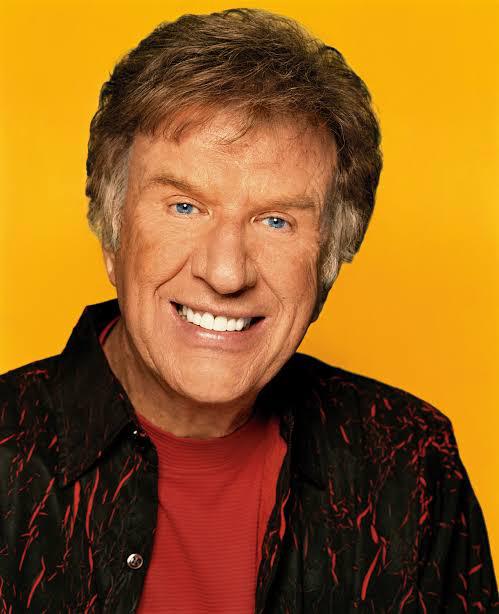
Bill Gaither

Religious
Christian Music
Gospel
 Viberate Rank: 78990
 Viberate Rank: 78990
 Monthly ListenersFollowers
 Subscribers
 Followers
 Followers
 FansTop Spotify Songs
| Track | 7-Day Streams | |
|---|---|---|
1 | 11.71K | |
2 | 4.32K | |
3 | 2.87K | |
4 | 2.08K | |
5 | 1.99K |
Top YouTube VideosMonthly ListenersFeatured in Playlists| Playlist | Followers | |
|---|---|---|
1 |  Old Time Southern Gospel JukeboxCharlie | 38.16K |
2 |  This Is Crowder Spotify | 35.14K |
3 |  Crowder: Never Gonna Die (July!) 🇺🇸 SOZO Playlists | 22.87K |
4 | Best of Crowder Jeremiah Davison | 12.39K |
5 | GAITHER VOCAL BAND (All Albums) Cands | 9.45K |
Audience| City | Monthly Listeners | |
|---|---|---|
1 |  | 476 |
2 |  | 296 |
3 | | 269 |
4 |  | 258 |
5 | | 252 |
See full performance history, audience data, playlist activity, rankings, comparisons, and more in Viberate music analytics. Start with a free trial, then continue with a paid plan.
Bill Gaither’s Spotify BioBill Gaither is one of the central figures of 20th century Christian music, a singer and songwriter who originally gained attention as part of the Bill Gaither Trio in the early '70s and became famous in the '90s thanks in large part to Gaither Homecoming, a series of home videos and records that showcased Southern gospel stars. Between those two events -- and well beyond the success of Gaither Homecoming -- Gaither wrote hundreds of gospel songs, including the standard "He Touched Me," usually with his wife Gloria, and he released dozens of albums, either as part of the Bill Gaither Trio, the Gaither Vocal Band, or the Gaither Homecoming. So deep and lasting was his success, the Bill Gaither Trio was inducted into the Gospel Music Association Hall of Fame in 1999 and, by 2004, the Gaither Homecoming tour was rivaling the ticket sales of such secular superstars as Fleetwood Mac and Elton John. In addition to being a popular performer, Gaither co-founded the major inspirational imprint …Chapel Hill Music Group, which was later rebranded as Spring Hill.
Such stardom came from humble beginnings. Gaither was born on a farm in Alexandria, Indiana on March 28, 1936; he'd continue to live in Indiana all his life. With his siblings Danny and Mary Ann, he formed the Bill Gaither Trio while attending Indiana's Anderson University in 1956. Three years later, he graduated and started working as an English teacher, marrying Gloria Sickal in 1962. That year, Danny moved to Ohio, and Gloria joined the trio as his replacement. The next year, he wrote "He Touched Me" upon the suggestion of evangelist Dr. Dale Oldham, who thought "touch" would inspire a good gospel song. It did, and "He Touched Me" steadily gained an audience after both Oldham's son Doug and the Bill Gaither Trio recorded it in 1964. The next year, the Imperials did their own version, which caught the ear of Elvis Presley, who cut it in 1971. By that point, Gaither's star was on the rise. For a while, he attempted to navigate teaching and his musical career, but he dedicated himself to music in 1967.
The Bill Gaither Trio started to regularly release albums in 1966 but in 1973, two years after Presley's version of "He Touched Me," the breakthrough arrived when the group released Let's Just Praise the Lord, which won the Grammy for Best Inspirational Performance in 1974. Two years later, the group took home the same award for Jesus, We Just Want to Thank You. The Bill Gaither Trio would also be inducted to the Gospel Music Association Hall of Fame in 1999.
The Trio released several albums over the course of the '80s but during that decade, Gaither's main focus was the Gaither Vocal Band. Originally called the New Gaither Vocal Band upon its 1981 formation -- that's the name on the group's eponymous 1981 debut -- the band had a revolving lineup and over the years, featuring such future CCM stars as Michael English, Jonathan Pierce, David Phelps, and Mark Lowry. The Gaither Vocal Band -- who'd shed the "New" quickly -- recorded regularly from its inception onward, never spending longer than three years between albums. Along the way, they racked up many awards -- no less than 17 Dove Awards, along with Grammys in 1991 (Best Southern Gospel, Country Gospel, or Bluegrass Gospel Album for Homecoming) and 2009 (Lovin' Life in the same category).
Gaither's next big project arrived in 1991, when the Gaither Vocal Band recorded an album called Homecoming, featuring several other stars in Southern gospel. Somebody had the foresight to record these guests and the Gaither Vocal Band trading stories and songs, and this footage was released as Homecoming. It turned into a smash hit and, soon, Gaither had the formula for Homecoming: bring in some old stars, some new stars, some emerging artists, and have them all talk and sing on camera. By 1996, the Gaither Homecoming was so successful it spawned a regular concert tour. Later, these live performances could be found on cruises, and the home videos were edited into syndicated television shows.
During the 21st century, Gaither didn't start any new projects, choosing instead to keep Gaither Homecoming and the Gaither Vocal Band thriving. Each project remained popular well into the 2010s, and all the while, Bill and Gloria remained in his hometown of Alexandria, Indiana. ~ Stephen Thomas Erlewine, Rovi
Viberate is a music analytics platform built for A&Rs, artist managers, labels, booking agents, marketers, and artists.
It helps music professionals track artist growth, analyze audience data, monitor playlist activity, compare artists, follow song performance, and identify opportunities across the music market.
Public artist pages provide a free preview of selected artist data. Paid plans provide access to deeper analytics, historical data, charts, comparisons, playlist tools, exports, alerts, reports, and additional professional features.
Yes. Public Viberate artist pages provide selected artist analytics and music data for free.
Viberate also offers a 7-day free trial of the full platform. A credit card is required to start the trial. The trial includes access to the complete product so users can test deeper artist analytics, historical views, playlist insights, comparisons, charts, exports, alerts, and reporting features before choosing a paid plan.
Viberate provides artist analytics across streaming, playlists, social media, video, radio airplay, songs, and audience markets.
Users can analyze Spotify performance, Spotify and Apple Music playlists, YouTube activity, TikTok and Instagram growth, radio spins, song performance, audience locations, demographics, rankings, and overall artist momentum.
Artist profiles also connect to music charts, similar artists, and comparison tools, helping users benchmark performance and evaluate artists in context.
Viberate updates key artist and track data daily.
For followed artists and tracks, selected data is refreshed multiple times per day. This helps teams monitor playlist changes, streaming movement, audience growth, releases, and campaign performance with more current data.
Update frequency can vary depending on the metric and data source.
Yes. Viberate lets users compare up to five artists side by side across streaming, social media, audience, and engagement metrics.
Users can compare fanbase growth, audience demographics, locations, Spotify performance, social metrics, and other artist data over selected time periods.
Artist comparison can be used for A&R scouting, benchmarking, booking decisions, campaign planning, and evaluating artists with similar audiences or market positions.