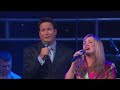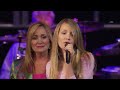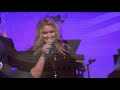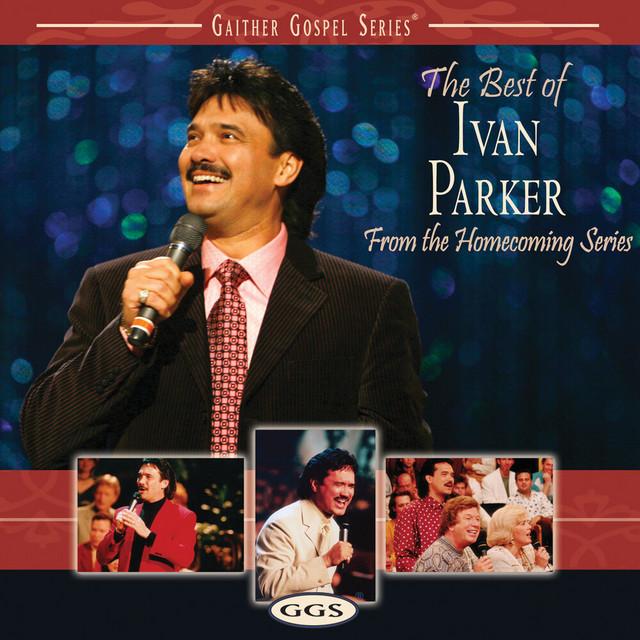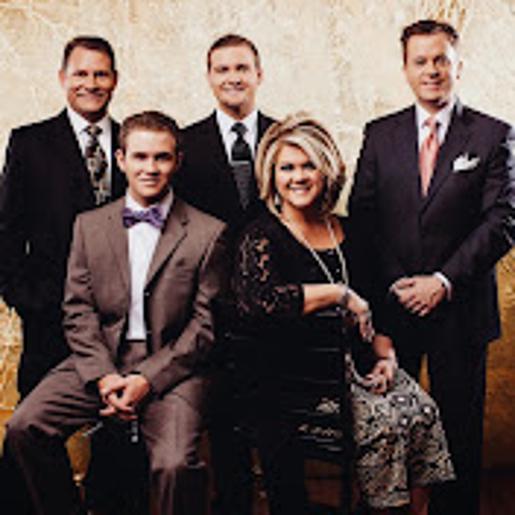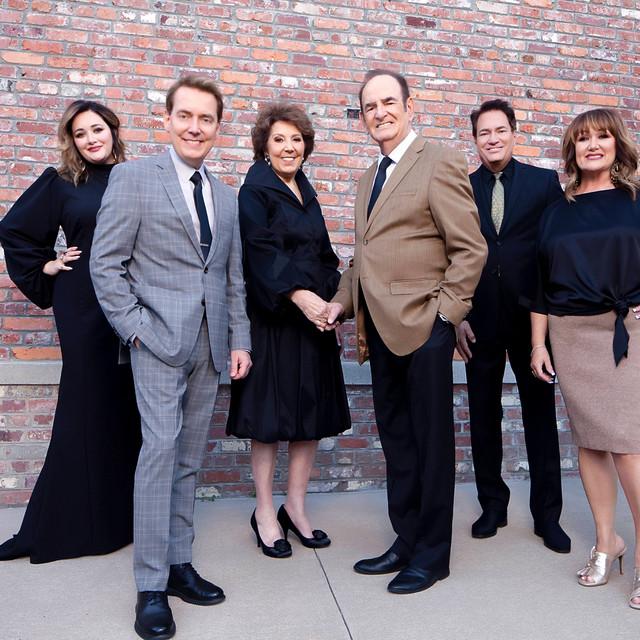
The Hoppers

Religious
Christian Music
Gospel
 Viberate Rank: 64417
 Viberate Rank: 64417
 Monthly ListenersFollowers
 Subscribers
 Followers
 Followers
 FansTop Spotify Songs
| Track | 7-Day Streams | |
|---|---|---|
1 | 7.41K | |
2 | 2.83K | |
3 | 1.89K | |
4 | 1.89K | |
5 | 1.89K |
Top YouTube VideosMonthly ListenersFeatured in Playlists| Playlist | Followers | |
|---|---|---|
1 | Southern Gospel/ Hymns Austin Keel | 10.16K |
2 | GAITHER VOCAL BAND (All Albums) Cands | 9.45K |
3 | Gaither Homecoming Maja Westermark | 8.90K |
4 | old hymns & southern gospel JohnWaylon Hollis | 4.75K |
5 |  Country Gospel 2026 | Southern Gospel SOZO Playlists | 4.59K |
Audience| City | Monthly Listeners | |
|---|---|---|
1 | | 727 |
2 | | 579 |
3 | | 445 |
4 | | 359 |
5 |  | 345 |
See full performance history, audience data, playlist activity, rankings, comparisons, and more in Viberate music analytics. Start with a free trial, then continue with a paid plan.
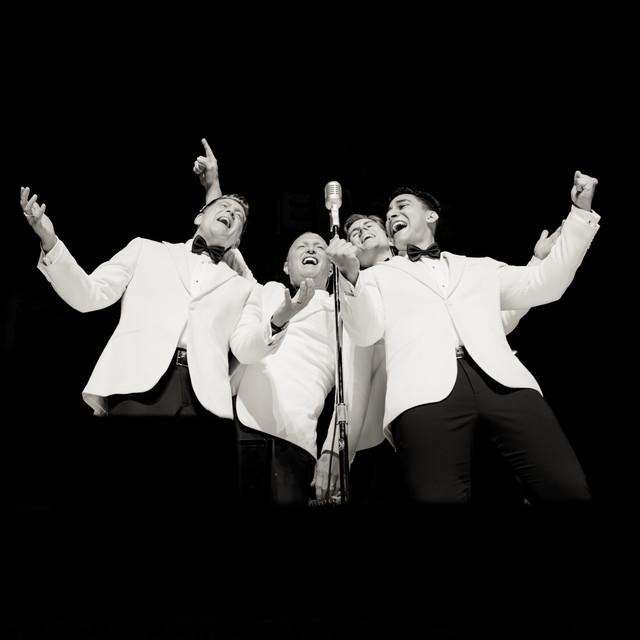
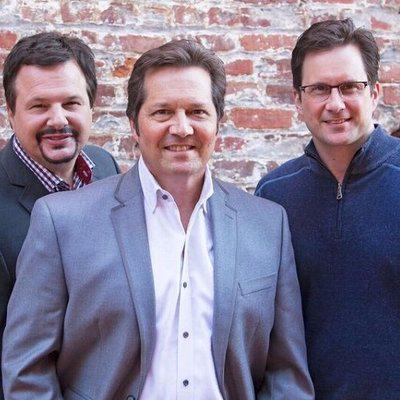
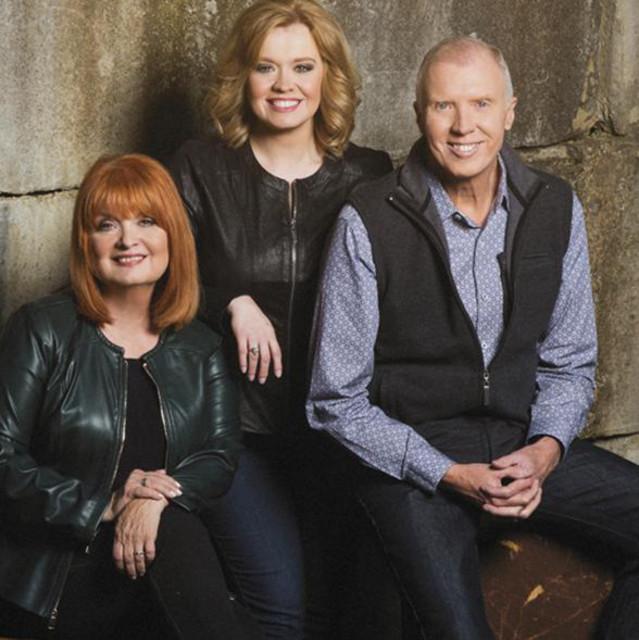
The Hoppers’ Spotify BioOne of America’s foremost families of gospel music, the Hoppers originated in the 1950s as the Hopper Brothers before adopting their current moniker in the late '70s. The group performed at Ronald Reagan's inaugural ceremony in 1981 and found success in the '90s as part of the popular Gaither Family Homecoming tours, recordings, and concert films. The group remained active both at home and abroad in the 2000s and 2010s, appearing at conventions, church platforms, and festivals and issuing a steady stream of Billboard-charting albums. Still going strong in the 2020s, the Hoppers released the stirring worship collection, Believe, in 2022.
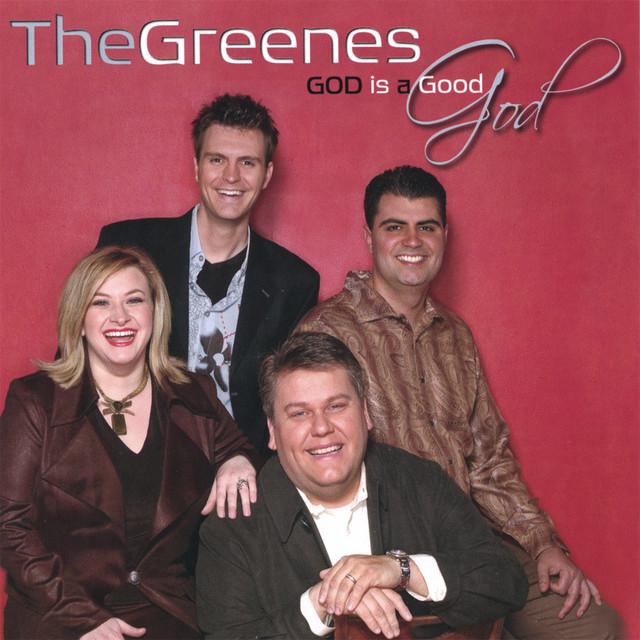
Formed by Claude Hopper, along with his wife Connie in their native North Carolina, the Hoppers began to hit their stride as a family performing unit in 1981, when their oldest son and drummer, Dean, became a frequent lead vocalist. Meanwhile, their youngest son, Mike, became the new drummer at the tender age of 13, and the Hoppers won two consecutive… Mixed Vocal Group awards at the Southern Gospel Music Awards in 1982-1983. In 1988, Dean married singer Kim Greene, who had previously performed for ten years in her own family gospel group, the Greenes; she officially joined the Hoppers in 1989 and became perhaps their most recognizable voice. In 1990, the Hoppers scored their first major hit single with "Here I Am," touching off a long string of successes that also included "Milk and Honey," "Mention My Name," "Anchor to the Power of the Cross," "Heavenly Sunrise," "That's Him," and "Yes I Am." In the midst of that string in 1996, Mike Hopper's new wife Denice joined the group as a pianist. While the Hoppers were already enjoying success on the traditional gospel circuit, their 1998 recording of the traditional number "Shoutin' Time" took their career to a whole new level; performed on a video documentation of that year's Gaither Homecoming Tour, the song became a smash hit. Riding its momentum, the Hoppers dominated the Southern Gospel Music Awards (especially the mixed-group categories) for several years afterwards.
The Hoppers continued to perform on the Gaither Homecoming Tour; Claude and Dean both serving on the board of directors for the North Carolina Gospel Music Hall of Fame, while Mike has dabbled in acting with an appearance on the TV show Touched by an Angel. In 2000, the Hoppers signed a new record deal with Spring Hill, debuting with the LP Power. Dozens more albums followed in the years to come, as did a pair of acclaimed solo efforts from Kim Hopper. By 2017, the group was operating with a roster that included family members Claude and Connie, son Dean and his wife Kim, son Mike, and Dean and Kim's daughter, Karlye. They released Honor the First Families of Gospel Music in 2018, followed by Believe in 2022. ~ Steve Huey, Rovi
Viberate is a music analytics platform built for A&Rs, artist managers, labels, booking agents, marketers, and artists.
It helps music professionals track artist growth, analyze audience data, monitor playlist activity, compare artists, follow song performance, and identify opportunities across the music market.
Public artist pages provide a free preview of selected artist data. Paid plans provide access to deeper analytics, historical data, charts, comparisons, playlist tools, exports, alerts, reports, and additional professional features.
Yes. Public Viberate artist pages provide selected artist analytics and music data for free.
Viberate also offers a 7-day free trial of the full platform. A credit card is required to start the trial. The trial includes access to the complete product so users can test deeper artist analytics, historical views, playlist insights, comparisons, charts, exports, alerts, and reporting features before choosing a paid plan.
Viberate provides artist analytics across streaming, playlists, social media, video, radio airplay, songs, and audience markets.
Users can analyze Spotify performance, Spotify and Apple Music playlists, YouTube activity, TikTok and Instagram growth, radio spins, song performance, audience locations, demographics, rankings, and overall artist momentum.
Artist profiles also connect to music charts, similar artists, and comparison tools, helping users benchmark performance and evaluate artists in context.
Viberate updates key artist and track data daily.
For followed artists and tracks, selected data is refreshed multiple times per day. This helps teams monitor playlist changes, streaming movement, audience growth, releases, and campaign performance with more current data.
Update frequency can vary depending on the metric and data source.
Yes. Viberate lets users compare up to five artists side by side across streaming, social media, audience, and engagement metrics.
Users can compare fanbase growth, audience demographics, locations, Spotify performance, social metrics, and other artist data over selected time periods.
Artist comparison can be used for A&R scouting, benchmarking, booking decisions, campaign planning, and evaluating artists with similar audiences or market positions.