Booth Brothers

Religious
Christian Music
Gospel
 Viberate Rank: 81181
 Viberate Rank: 81181
 Monthly ListenersFollowers
 Subscribers
 Followers
 Followers
 FansTop Spotify Songs
| Track | 7-Day Streams | |
|---|---|---|
1 | 10.33K | |
2 | 4.40K | |
3 | 4.04K | |
4 | 2.59K | |
5 | 2.56K |
Top YouTube VideosMonthly ListenersFeatured in Playlists| Playlist | Followers | |
|---|---|---|
1 | Gaither Gospel Hymns Kaitlyn Senay Newton | 12.58K |
2 | Southern Gospel/ Hymns Austin Keel | 10.16K |
3 | GAITHER VOCAL BAND (All Albums) Cands | 9.45K |
4 | Gaither Homecoming Maja Westermark | 8.90K |
5 | Southern Gospel Quartets Daniel Ertley | 8.08K |
Audience| City | Monthly Listeners | |
|---|---|---|
1 | | 1.08K |
2 | | 904 |
3 | | 867 |
4 | | 727 |
5 | | 654 |
See full performance history, audience data, playlist activity, rankings, comparisons, and more in Viberate music analytics. Start with a free trial, then continue with a paid plan.
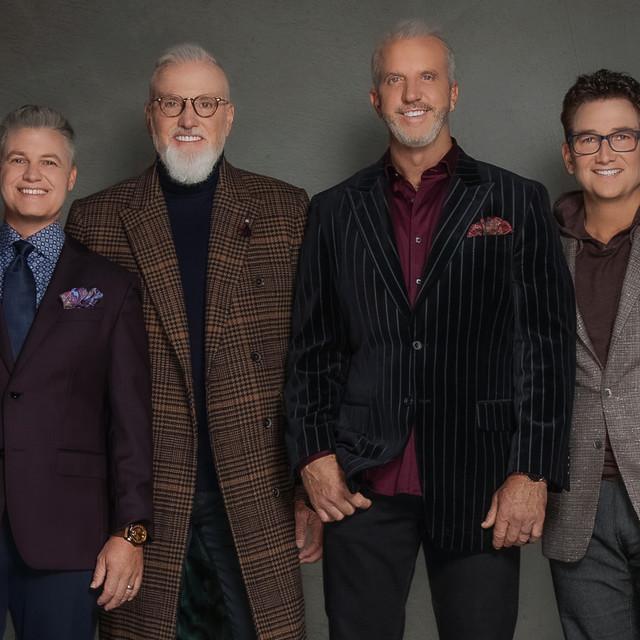
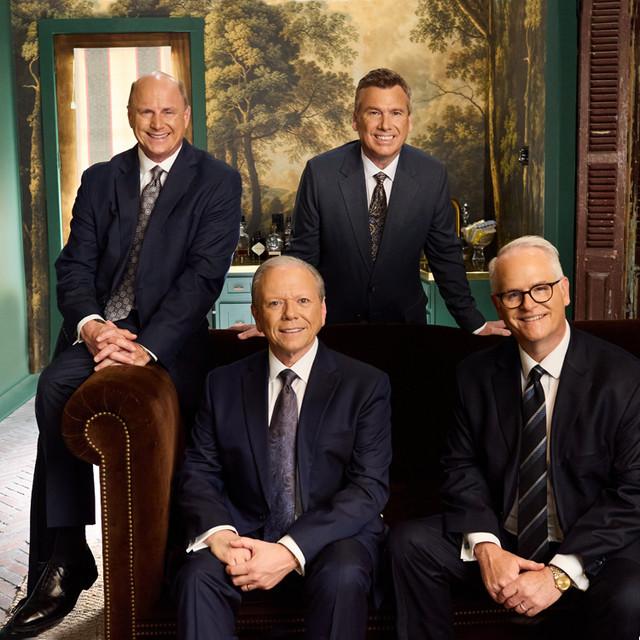
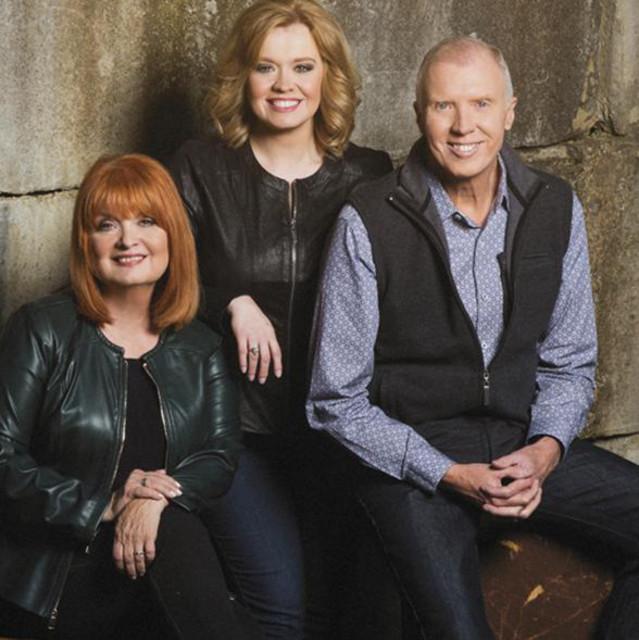
Booth Brothers’ Spotify BioThe long history of the Booth Brothers started when Ron Booth, Sr. was a teenager and formed the original group with brothers Charles Booth, James Booth, and Wallace Booth after moving to Detroit in the late '50s. They sang locally and regionally until 1963, when Ron Sr. disbanded the group and started singing with the Toney Brothers. Though these quartets never achieved much more fame than the musical portion of the neighborhood church picnic, Ron Booth, Sr. was a deeply spiritual and musical person after he married and moved south to Brandon, Florida, and had two sons and raised them to be musicians.
In 1990, the youngest of his sons, Michael Booth, formed the second incarnation of the Booth Brothers by recruiting his father and his brother Ronnie Booth, Jr. With the addition of pianist Tim Sievert, the quartet started singing under the name Ron Booth & the Booth Brothers. A few years later, Sievert left the band due to increasing hand problems, but they continued as a trio. They… self-released Beyond the Cross with help from arranger/composer Mosie Lister. In 1993, their popularity surged after an appearance at the Grand Ole Gospel Reunion, and they again shortened their name to the Booth Brothers.
They released their first Morning Star recording, Praise God Anyhow, in 1995, and after Ron Booth, Sr. retired he was replaced by former Perfect Heart member Joseph Smith. When Smith left, he was replaced by Jim Brady. The lineup of Brady, Ronnie Booth, Jr., and Michael Booth carried on well into the next century, releasing a successful string of Dove Award-winning albums. In 2014, Brady stepped down and was replaced by Paul Lancaster, who made his studio debut on the trio's 2015 LP, Still. A concert album, Gospel Favorites (Live), followed in 2017. ~ Nate Cavalieri, Rovi
Viberate is a music analytics platform built for A&Rs, artist managers, labels, booking agents, marketers, and artists.
It helps music professionals track artist growth, analyze audience data, monitor playlist activity, compare artists, follow song performance, and identify opportunities across the music market.
Public artist pages provide a free preview of selected artist data. Paid plans provide access to deeper analytics, historical data, charts, comparisons, playlist tools, exports, alerts, reports, and additional professional features.
Yes. Public Viberate artist pages provide selected artist analytics and music data for free.
Viberate also offers a 7-day free trial of the full platform. A credit card is required to start the trial. The trial includes access to the complete product so users can test deeper artist analytics, historical views, playlist insights, comparisons, charts, exports, alerts, and reporting features before choosing a paid plan.
Viberate provides artist analytics across streaming, playlists, social media, video, radio airplay, songs, and audience markets.
Users can analyze Spotify performance, Spotify and Apple Music playlists, YouTube activity, TikTok and Instagram growth, radio spins, song performance, audience locations, demographics, rankings, and overall artist momentum.
Artist profiles also connect to music charts, similar artists, and comparison tools, helping users benchmark performance and evaluate artists in context.
Viberate updates key artist and track data daily.
For followed artists and tracks, selected data is refreshed multiple times per day. This helps teams monitor playlist changes, streaming movement, audience growth, releases, and campaign performance with more current data.
Update frequency can vary depending on the metric and data source.
Yes. Viberate lets users compare up to five artists side by side across streaming, social media, audience, and engagement metrics.
Users can compare fanbase growth, audience demographics, locations, Spotify performance, social metrics, and other artist data over selected time periods.
Artist comparison can be used for A&R scouting, benchmarking, booking decisions, campaign planning, and evaluating artists with similar audiences or market positions.