Bill Evans

Jazz
Jazz Fusion
Americana/Alt Country
 Viberate Rank: 135955
 Viberate Rank: 135955
 Monthly ListenersFollowers
 Subscribers
 Followers
 Followers
 FansTop Spotify Songs
| Track | 7-Day Streams | |
|---|---|---|
1 | 6.91K | |
2 | 4.57K | |
3 | 4.46K | |
4 | 1.60K | |
5 | 606 |
Top YouTube VideosMonthly ListenersFeatured in Playlists| Playlist | Followers | |
|---|---|---|
1 |  Fusion Fest Spotify | 220.07K |
2 | BEST SMOOTH JAZZ 🎷 Greatest Hits (Kenny G, Boney James, Dave Koz & More) ARIAN (not on IG!) | 64.76K |
3 | 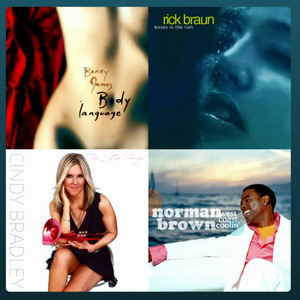 Smooth Jazz ¤ The Best onaraya | 33.94K |
4 | 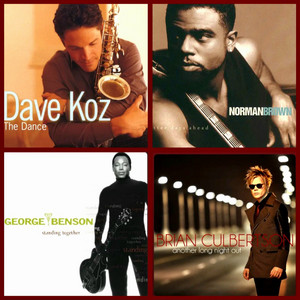 Smooth Jazz - Greatest Hits of all Time onaraya | 29.86K |
5 |  SMOOTH JAZZ 🎷 Instrumental Smooth Jazz Classics & More Spot | 27.55K |
Audience| City | Monthly Listeners | |
|---|---|---|
1 |  | 477 |
2 | | 373 |
3 |  | 326 |
4 | | 281 |
5 |  | 275 |
See full performance history, audience data, playlist activity, rankings, comparisons, and more in Viberate music analytics. Start with a free trial, then continue with a paid plan.
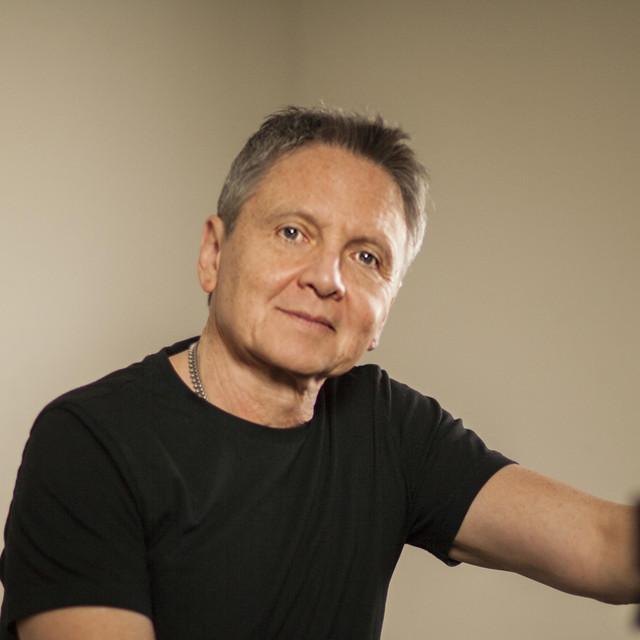
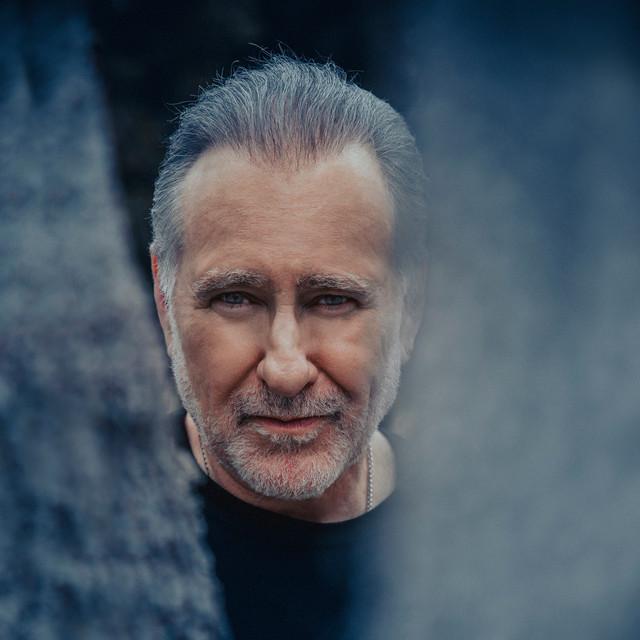
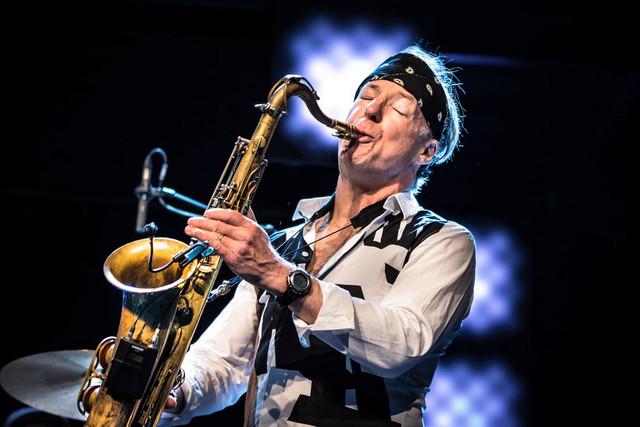
Bill Evans’ Spotify BioBill Evans is a world-class saxophonist and producer. He made his international debut recording and touring with Miles Davis between 1981 and 1985. Possessed of a taut, lyrical, funky/bluesy sound, his tenor tone is authoritative while his soprano is reedy and assertive. He has appeared on hundreds of recordings -- including more than 30 of his own -- since his 1984 debut Living in the Crest of a Wave and 1985's The Alternative Man. 1994's Push received accolades for its wide stylistic ambition incorporating everything from hip-hop to big-band swing. 2005's Soulgrass melded jazz-funk fusion and Americana and established a concept he followed for 2006's The Other Side of Something and 2012's Dragonfly. 2016's Rise Above offered a more rock-oriented focus with guest vocalists. 2019's The Sun Room showcased a super group with guitarist Robben Ford, bassist James Genus, and drummer Keith Carlock. 2022's follow-up Common Ground featured Darryl Jones in the bass chair.
Evans was born in… Clarendon, Illinois into a home where music played an important role. His father was a classical piano prodigy and his first instrument was the piano. He switched to classical clarinet during grade school and studied it until he finished junior high. He attended Hinsdale Central High School and switched to saxophone, studying tenor with Vince Micko. Evans focused on music, jazz, and the saxophone at University of North Texas and William Paterson University, where he studied with saxophone icon Dave Liebman.
Following college, he moved to New York in 1979. He gigged with Hank Jones and others. When Davis was planning a return to recording and touring, Liebman recommended his former student and the trumpeter auditioned and hired him. Evans made his recorded debut with Davis on 1981's Man with the Horn, and remained through 1984's Decoy tour. Simultaneously, Evans recorded with Elements from 1982 to 1990, the Grammy-nominated crossover fusion outfit co-led by former Pat Metheny Group members Mark Egan and Danny Gottlieb (he also played on solo albums by both men).
The saxophonist made his leader debut with 1984's Living in the Crest of a Wave for Elecktra Musician, then followed its president, Bruce Lundvall, to Blue Note for 1985's Alternative Man (on which he also played electronic keyboards in addition to saxophones) that featured special guest, guitarist John McLaughlin. Evans was already a member of his revamped Mahavishnu. Their self-titled offering in 1984 was followed with Adventures in Radioland in 1986. In addition to touring with Elements and McLaughlin, Evans also began touring with Herbie Hancock. In 1987, he played on the Echoes of Ellington, Vol.1 and Vol. 2 tributes cut by an all-star band that included vocalist Dianne Reeves, trumpeter Randy Brecker, guitarist Robben Ford, alto saxophonist Tom Scott, and drummer Leon Ndugu Chancler.
In 1989 he issued the acclaimed Summertime as his debut for Jazz City, and followed in 1990 with the live albums Let the Juice Loose and The Gambler. He signed with Lipstick for 1994's Push, wedding his brand of funky fusion and contemporary jazz to hip-hop beats. That same year he, Egan, and saxophonist James Carter all guested on Ronald Shannon Jackson & the Decoding Society's A-009. Following 1995's Live in Europe with Push, he signed with Escapade Music and released two widely acclaimed dates in 1996's Escape and 1997's Starfish & The Moon. He followed with a trio of albums for ESC Records: 1999's Touch, 2000's Soul Insider, and 2002's Big Fun; the latter featured a large cast of collaborators including Lew Soloff and Hiram Bullock. 2002 also saw the beginning of extended studio and live collaborations with the bands of Leslie Mandoki.
In 2005 he released Soulgrass for the German label
BHM Productions. The Grammy-nominated set was a breakaway fusion of electric jazz and American roots music performed by a union of the best musicians from the worlds of jazz and Americana. Evans continued to work on that concept for a decade. The record appeared the same year as Soul Bop Band Live, the debut of an evolving super band assembled by Evans and Randy Brecker. The Soulgrass concept continued on The Other Side of Something for Intuition; it was the first of his albums to feature his lead vocals. In 2008, Evans issued Vans Joint, a live articulation of the Soulgrass concept with Dave Weckl, Egan, and the WDR Big Band Cologne arranged and conducted by Michael Abene. The concept also informed one more studio album, 2012' self-released Dragonfly, that hosted contributions from guitarists Warren Haynes and Steve Lukather, and organist John Medeski. Following 2014's Live in Moscow! (drawn from two sold-out State Department tours of Russia) the project concluded.
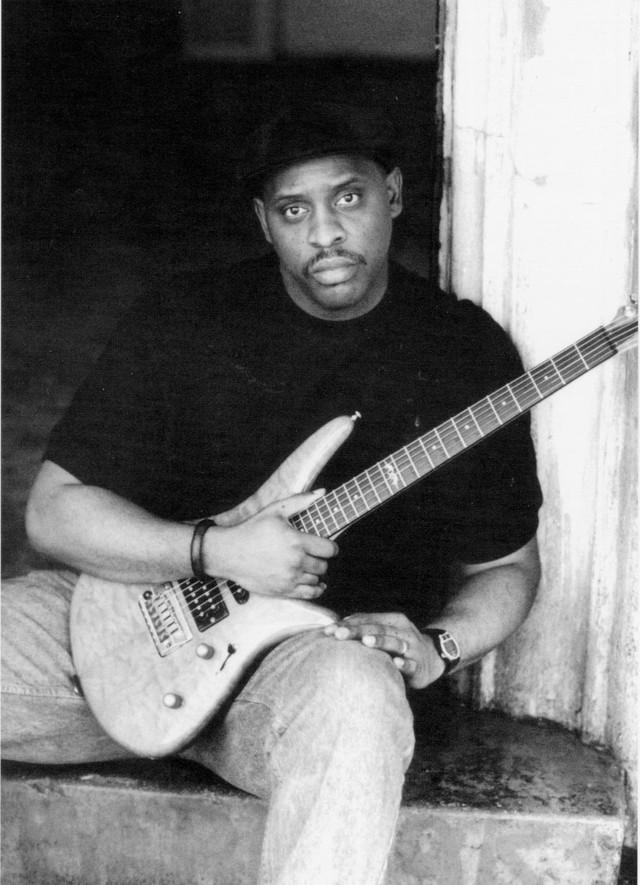
After creating a new band in 2015 he issued Rise Above in 2016, an album that focused more on rock with guest vocal spots by Gregg Allman, Haynes, JJ Grey, Anders Osborne, and others. In 2019, he re-teamed with guitarist and old friend Robben Ford, bassist James Genus, and drummer Keith Carlock. Recording in one room in Nashville, they knocked out the funky, swinging The Sun Room. It topped streaming charts and made the Top Jazz albums list. Following the pandemic, the band -- now with Darryl Jones in the bass chair -- released Common Ground in 2022. ~ Thom Jurek, Rovi
Viberate is a music analytics platform built for A&Rs, artist managers, labels, booking agents, marketers, and artists.
It helps music professionals track artist growth, analyze audience data, monitor playlist activity, compare artists, follow song performance, and identify opportunities across the music market.
Public artist pages provide a free preview of selected artist data. Paid plans provide access to deeper analytics, historical data, charts, comparisons, playlist tools, exports, alerts, reports, and additional professional features.
Yes. Public Viberate artist pages provide selected artist analytics and music data for free.
Viberate also offers a 7-day free trial of the full platform. A credit card is required to start the trial. The trial includes access to the complete product so users can test deeper artist analytics, historical views, playlist insights, comparisons, charts, exports, alerts, and reporting features before choosing a paid plan.
Viberate provides artist analytics across streaming, playlists, social media, video, radio airplay, songs, and audience markets.
Users can analyze Spotify performance, Spotify and Apple Music playlists, YouTube activity, TikTok and Instagram growth, radio spins, song performance, audience locations, demographics, rankings, and overall artist momentum.
Artist profiles also connect to music charts, similar artists, and comparison tools, helping users benchmark performance and evaluate artists in context.
Viberate updates key artist and track data daily.
For followed artists and tracks, selected data is refreshed multiple times per day. This helps teams monitor playlist changes, streaming movement, audience growth, releases, and campaign performance with more current data.
Update frequency can vary depending on the metric and data source.
Yes. Viberate lets users compare up to five artists side by side across streaming, social media, audience, and engagement metrics.
Users can compare fanbase growth, audience demographics, locations, Spotify performance, social metrics, and other artist data over selected time periods.
Artist comparison can be used for A&R scouting, benchmarking, booking decisions, campaign planning, and evaluating artists with similar audiences or market positions.