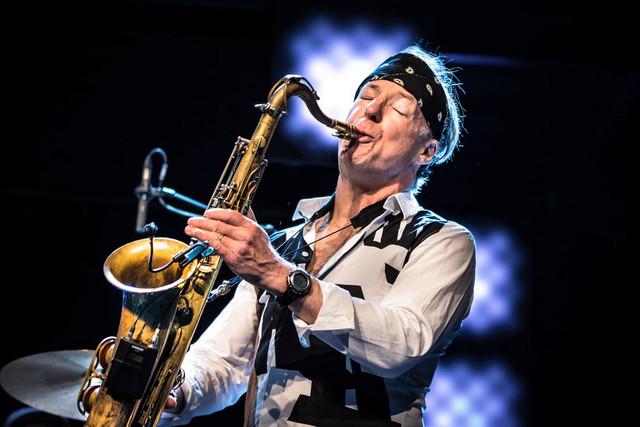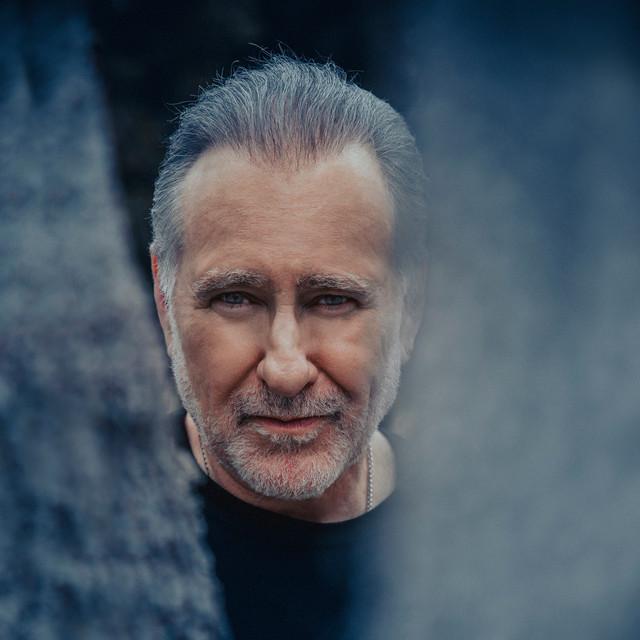
Brian Bromberg

Jazz
Smooth Jazz
 Viberate Rank: 85740
 Viberate Rank: 85740
 Monthly ListenersFollowers
 Subscribers
 Followers
 Followers
 FansTop Spotify Songs
| Track | 7-Day Streams | |
|---|---|---|
1 | 6.76K | |
2 | 4.35K | |
3 | 4.34K | |
4 | 3.41K | |
5 | 2.99K |
Top YouTube VideosMonthly ListenersFeatured in Playlists| Playlist | Followers | |
|---|---|---|
1 |  Romantic Smooth Jazz Spotify | 176.29K |
2 |  Bottoms Up Spotify | 168.33K |
3 |  Smooth Jazz - Instrumental Pekka Martikainen | 141.77K |
4 |  New Smooth Jazz Spotify | 93.82K |
5 |  old money vibes 💸 Ethereal Records | 48.32K |
Audience| City | Monthly Listeners | |
|---|---|---|
1 |  | 944 |
2 |  | 798 |
3 |  | 665 |
4 | | 643 |
5 |  | 632 |
See full performance history, audience data, playlist activity, rankings, comparisons, and more in Viberate music analytics. Start with a free trial, then continue with a paid plan.
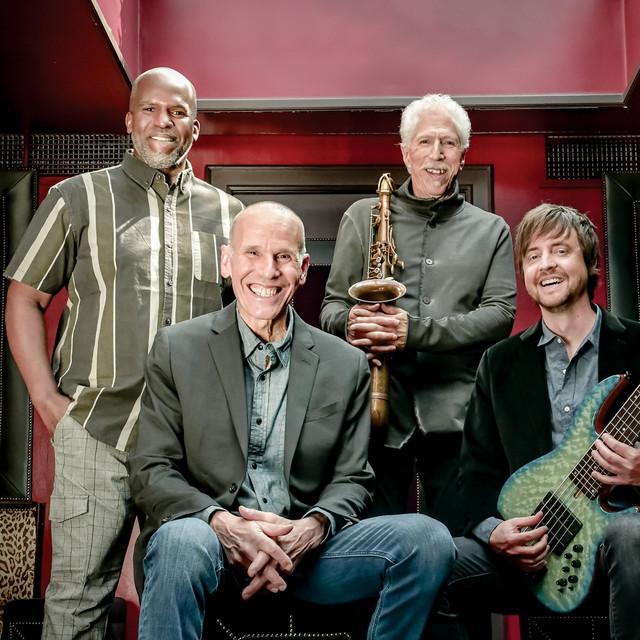
Brian Bromberg’s Spotify BioA versatile acoustic and electric bassist capable of playing straight-ahead jazz, funk, and fusion, Brian Bromberg has built a respected career playing with a bevy of luminaries and issuing his own highly regarded albums. Influenced by the virtuosic finger-tapping style of Stanley Jordan, Bromberg sometimes sounds like three bassists at once during his often-thunderous solos. It's a talent that found him joining Stan Getz's group at age 19. Since then, he has been a valuable sidemen with artists like Dave Grusin, Billy Cobham, Michael Bublé, and others. He recorded his first albums as a leader in the '80s with dates like 1988's Basses Loaded with Ernie Watts, and has since balanced session work with recording his own varied dates, such as 1991's It's About Time: The Acoustic Project, 2010's Bromberg Plays Hendrix, and 2021's A Little Driving Music.
Born in 1960 in Tucson, Arizona, Bromberg grew up in a musical family. The son of a drummer, he initially started out on percussion, but… quickly turned his attention to the bass. By the time he left high school he was already an impressive performer, and became an in-demand live musician, playing gigs throughout the week. In 1979, he caught the attention of bassist Marc Johnson, who later connected the young bassist with saxophonist Stan Getz. Bromberg toured with Getz for roughly a year before joining pianist Bob Ravenscroft and then launching his own career. Bromberg's initial albums as a leader were smooth jazz affairs, including 1986's A New Day, 1988's Basses Loaded, and 1989's Magic Rain.
However, he switched gears for 1991's It's About Time: The Acoustic Project, a more mainstream acoustic jazz record. The next release, though, 1993's self-titled Brian Bromberg, saw him return to the smooth jazz feel of his earlier albums. Signing with Zebra Records, Bromberg released 1998's You Know That Feeling, which featured Rick Braun, Joe Sample, Jeff Lorber, Everette Harp, and other notables from the smooth jazz genre.
Bromberg next went back to straight jazz for 2002's Wood, followed by a tribute to bassist Jaco Pastorius -- simply titled Jaco -- in 2003. A sequel to Wood, Wood II, appeared in 2005, and Bromberg had clearly moved out of the box of his smooth jazz phase, particularly with the rapid-fire, amazing bass solos that made up Metal, which appeared later in 2005. He also became a highly sought-after record producer, with several charting projects in his résumé.
Continually stretching himself on bass, Bromberg moved farther outside the box with 2009's It Is What It Is. The following year, he paid tribute to guitar legend Jimi Hendrix with Bromberg Plays Hendrix. He then gathered an all-star cast of musicians, including Alex Acuña, Randy Brecker, George Duke, and Béla Fleck for 2012's Compared to That.
Taking time out from his solo work, Bromberg appeared on albums by Till Brönner, Andrea Bocelli, Andreas Varady, and others. In 2016, he returned with Full Circle, which included guest appearances from Arturo Sandoval, Kirk Whalum, and others. Thicker Than Water arrived in 2018 and featured guest spots by Najee, George Duke, Randy Brecker, and more. Following a 2020 holiday album, Bromberg returned to his funky original compositions with 2021's A Little Driving Music. ~ Scott Yanow & Steve Leggett, Rovi
Viberate is a music analytics platform built for A&Rs, artist managers, labels, booking agents, marketers, and artists.
It helps music professionals track artist growth, analyze audience data, monitor playlist activity, compare artists, follow song performance, and identify opportunities across the music market.
Public artist pages provide a free preview of selected artist data. Paid plans provide access to deeper analytics, historical data, charts, comparisons, playlist tools, exports, alerts, reports, and additional professional features.
Yes. Public Viberate artist pages provide selected artist analytics and music data for free.
Viberate also offers a 7-day free trial of the full platform. A credit card is required to start the trial. The trial includes access to the complete product so users can test deeper artist analytics, historical views, playlist insights, comparisons, charts, exports, alerts, and reporting features before choosing a paid plan.
Viberate provides artist analytics across streaming, playlists, social media, video, radio airplay, songs, and audience markets.
Users can analyze Spotify performance, Spotify and Apple Music playlists, YouTube activity, TikTok and Instagram growth, radio spins, song performance, audience locations, demographics, rankings, and overall artist momentum.
Artist profiles also connect to music charts, similar artists, and comparison tools, helping users benchmark performance and evaluate artists in context.
Viberate updates key artist and track data daily.
For followed artists and tracks, selected data is refreshed multiple times per day. This helps teams monitor playlist changes, streaming movement, audience growth, releases, and campaign performance with more current data.
Update frequency can vary depending on the metric and data source.
Yes. Viberate lets users compare up to five artists side by side across streaming, social media, audience, and engagement metrics.
Users can compare fanbase growth, audience demographics, locations, Spotify performance, social metrics, and other artist data over selected time periods.
Artist comparison can be used for A&R scouting, benchmarking, booking decisions, campaign planning, and evaluating artists with similar audiences or market positions.