Bill Bruford

Jazz
Jazz Fusion
Progressive Rock
 Viberate Rank: 63626
 Viberate Rank: 63626
 Monthly ListenersFollowers
 Subscribers
 Followers
 Followers
 FansTop Spotify Songs
| Track | 7-Day Streams | |
|---|---|---|
1 | 1.53K | |
2 | 831 | |
3 | 448 | |
4 | 448 | |
5 | 448 |
Top YouTube Videos| Video | 7-Day Views | |
|---|---|---|
1 | 11.58K | |
2 | 11.16K | |
3 | 10.47K | |
4 | 9.61K | |
5 | 9.61K |
Monthly ListenersFeatured in Playlists| Playlist | Followers | |
|---|---|---|
1 |  Fusion Fest Spotify | 220.07K |
2 |  The Sound of Everything The Sounds of Spotify | 53.82K |
3 |  Jojo Reference Songs Pige | 29.36K |
4 |  JoJo Music References Lasernatoo | 18.18K |
5 |  Jojo stands named after songs Beyyy_108 | 10.27K |
Audience| City | Monthly Listeners | |
|---|---|---|
1 |  | 258 |
2 |  | 119 |
3 | | 99 |
4 |  | 87 |
5 |  | 85 |
See full performance history, audience data, playlist activity, rankings, comparisons, and more in Viberate music analytics. Start with a free trial, then continue with a paid plan.
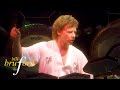
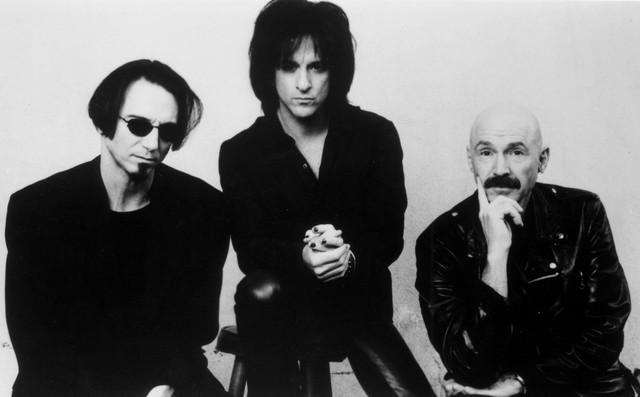
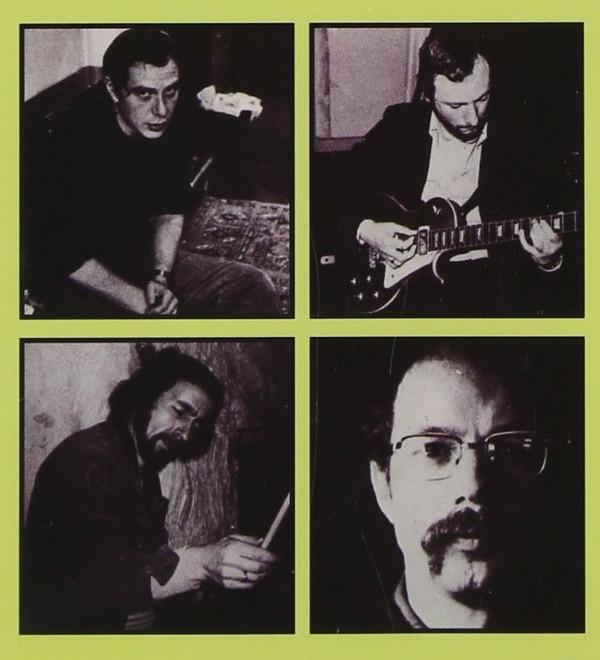
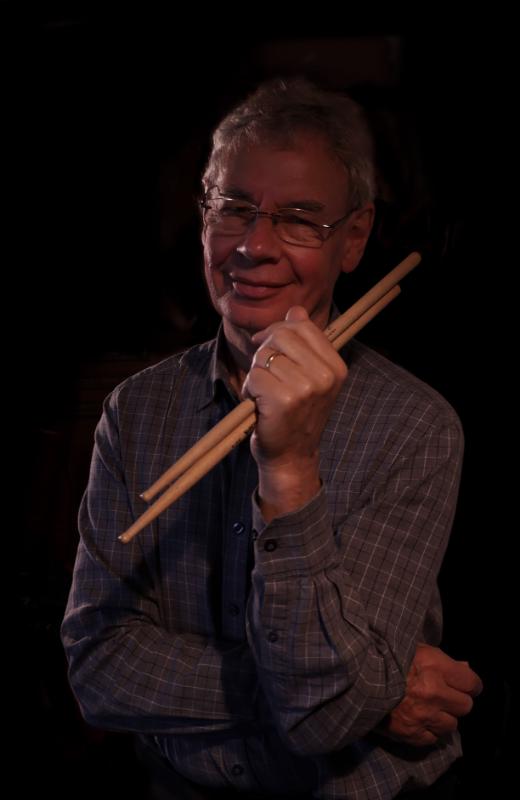
Bill Bruford’s Spotify BioBill Bruford's career is like his drumming sound -- inimitable. Known for his ringing metal snare drum, crisp cymbal work, and knack for complex time signatures, a young Bruford came to prominence in the late '60s with Yes. The drummer completed his British art rock trilogy by briefly joining Genesis in the 1970s and spending a quarter-century with King Crimson through the late '90s. In between King Crimson dates, Bruford led a dazzling self-titled jazz fusion solo band from 1978 to 1980. Featuring guitarist Allan Holdsworth (replaced after two albums by "the unknown" John Clark), bassist Jeff Berlin, and keyboardist Dave Stewart, the group issued four albums: Feels Good to Me (1978), One of a Kind (1979), The Bruford Tapes (1980), and Gradually Going Tornado (1980). And even as he led his visionary jazz band Bill Bruford's Earthworks, he maintained a career as a session drummer (with artists like guitarists Al DiMeola and David Torn, bassist Jamaaladeen Tacuma, and keyboardist Patrick… Moraz).
During one of King Crimson leader Robert Fripp's several lineup-shifting hiatuses in Bruford's 1972-1997 tenure, the drummer formed his self-titled Earthworks band in 1986. On the group's 1987 Earthworks debut album, Bruford often used electric Simmons drums to contrast acoustic horn players Iain Ballamy and Django Bates and upright bassist Mick Hutton, achieving the opposite of the standard lineup where drums are the only acoustic instrument. Subsequent releases like 1989's Dig? and 1991's All Heaven Broke Loose continued this forward-thinking trend, blending acoustic and electric instrumentation and jazz ideology with classical undertones. But by 1993's live Stamping Ground, Bruford had replaced Hutton with electric/acoustic bassist Tim Harries and was using keyboard-pitched electric chordal drums, the combined result being a more muscular and fuller sound.
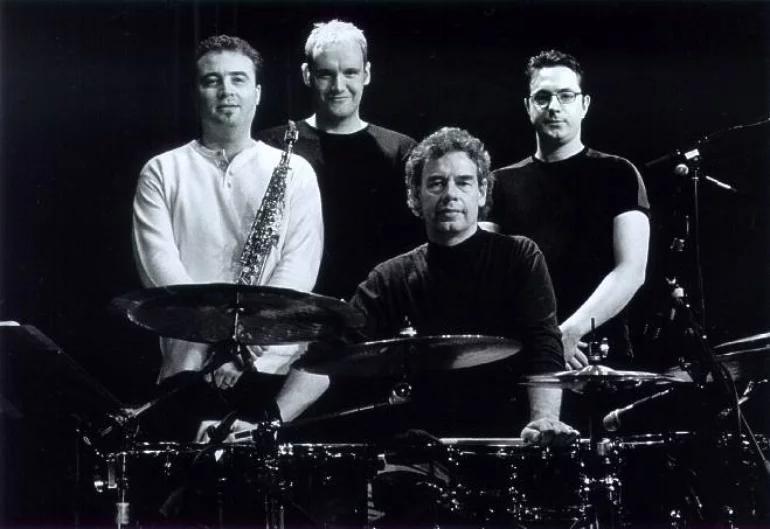
Bruford continued recording and touring with King Crimson through 1997, releasing the Earthworks compilation Heavenly Bodies just as he quit the venerable rock band with which he'd had his longest tenure. It would prove to be a transitional year, as Bruford recorded a jazz chamber trio solo CD called If Summer Had Its Ghosts with legendary jazz figures Ralph Towner (guitar/piano) and Eddie Gomez (acoustic bass). Between explorative electric recordings with bassist and fellow King Crimson alum Tony Levin, Bruford kept Earthworks closer to the chamber jazz mode on the 1999 CD A Part, and Yet Apart. Likewise, the lineup of Bruford, saxophonist Patrick Clahar, pianist Steve Hamilton, and bassist Mark Hodgson started the new millennium with the 2001 CD The Sound of Surprise, an outstanding blend of jazz tradition and forward-thinking transition. This lineup was also responsible for the 2002 live album Footloose and Fancy Free and Footloose in New York City, a live DVD released the following year.
Reedman Tim Garland later replaced Clahar, and the band went on to release the live album Random Acts of Happiness in 2004. Recorded at New York City's Iridium jazz club, 2006's Earthworks Underground Orchestra was not an album by the Earthworks band per se, but rather an exploration of Earthworks repertoire performed by Bruford along with Garland and a New York version of the latter's Underground Orchestra (and including appearances by trombonist Robin Eubanks on two tracks). During Earthworks' last several years, the group underwent additional personnel changes and toured in the U.K., Europe, and Asia, and also appeared in New York City. Earthworks' final show took place in the summer of 2008 at Ronnie Scott's in London, and at the start of the following year Bruford announced a formal end to the group -- as well as his own retirement from public performances. ~ Bill Meredith & Dave Lynch, Rovi
Viberate is a music analytics platform built for A&Rs, artist managers, labels, booking agents, marketers, and artists.
It helps music professionals track artist growth, analyze audience data, monitor playlist activity, compare artists, follow song performance, and identify opportunities across the music market.
Public artist pages provide a free preview of selected artist data. Paid plans provide access to deeper analytics, historical data, charts, comparisons, playlist tools, exports, alerts, reports, and additional professional features.
Yes. Public Viberate artist pages provide selected artist analytics and music data for free.
Viberate also offers a 7-day free trial of the full platform. A credit card is required to start the trial. The trial includes access to the complete product so users can test deeper artist analytics, historical views, playlist insights, comparisons, charts, exports, alerts, and reporting features before choosing a paid plan.
Viberate provides artist analytics across streaming, playlists, social media, video, radio airplay, songs, and audience markets.
Users can analyze Spotify performance, Spotify and Apple Music playlists, YouTube activity, TikTok and Instagram growth, radio spins, song performance, audience locations, demographics, rankings, and overall artist momentum.
Artist profiles also connect to music charts, similar artists, and comparison tools, helping users benchmark performance and evaluate artists in context.
Viberate updates key artist and track data daily.
For followed artists and tracks, selected data is refreshed multiple times per day. This helps teams monitor playlist changes, streaming movement, audience growth, releases, and campaign performance with more current data.
Update frequency can vary depending on the metric and data source.
Yes. Viberate lets users compare up to five artists side by side across streaming, social media, audience, and engagement metrics.
Users can compare fanbase growth, audience demographics, locations, Spotify performance, social metrics, and other artist data over selected time periods.
Artist comparison can be used for A&R scouting, benchmarking, booking decisions, campaign planning, and evaluating artists with similar audiences or market positions.