Big John Patton

R&B
Soul
Bebop
 Viberate Rank: 192196
 Viberate Rank: 192196
 Monthly ListenersFollowers
 Subscribers
 Followers
 Followers
 FansTop Spotify Songs
| Track | 7-Day Streams | |
|---|---|---|
1 | 4.36K | |
2 | 1.19K | |
3 | 688 | |
4 | 688 | |
5 | 596 |
Top YouTube VideosMonthly ListenersFeatured in Playlists| Playlist | Followers | |
|---|---|---|
1 |  Jazz Classics Blue Note Edition Spotify | 549.36K |
2 |  The Sound of Everything The Sounds of Spotify | 53.82K |
3 |  Blue Note: The Finest In Jazz Since 1939 Blue Note Records | 48.77K |
4 |  Everything Jazz EVERYTHING JAZZ | 35.32K |
5 | Bossa Nova Moises Alfonso | 27.13K |
Audience| City | Monthly Listeners | |
|---|---|---|
1 |  | 1.31K |
2 | | 648 |
3 | | 492 |
4 | | 337 |
5 |  | 278 |
See full performance history, audience data, playlist activity, rankings, comparisons, and more in Viberate music analytics. Start with a free trial, then continue with a paid plan.
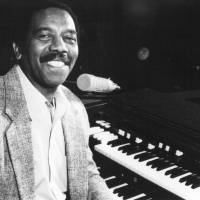
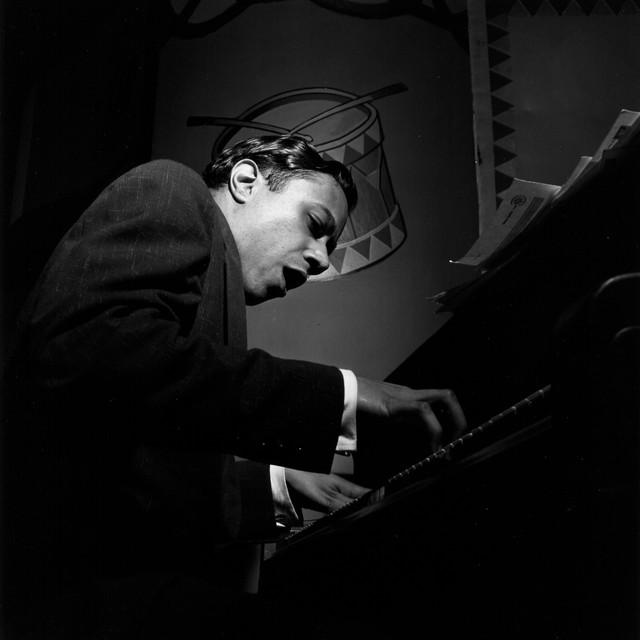
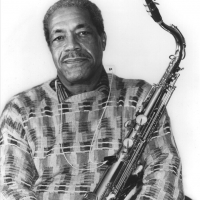
Big John Patton’s Spotify BioJohn Patton, often known as Big John Patton, was one of Blue Note's busiest soul-jazz organists during the golden age of the Hammond B-3s. Between 1963 and 1970 Patton cooked up 11 albums' worth of material as a leader and sat in with a dizzying procession of skilled improvisers, and his best work has since been compared with that of tragically short-lived innovator Larry Young. Patton also enjoyed a long overdue comeback during the 1990s when he collaborated with saxophonist and composer John Zorn.
Patton was born in Kansas City, MO, on July 12, 1935. His mother was a church pianist who encouraged her son to learn the instrument, which he began to play regularly at the age of 13. During the mid-'50s Patton worked in bands accompanying rhythm & blues singer Lloyd Price. By 1961 he had switched over to the organ, advancing along the trail blazed by Jimmy Smith, Shirley Scott, and Brother Jack McDuff. It was alto saxophonist Lou Donaldson who initially took Patton the organist into a… recording studio -- first on May 9, 1962, to tape an LP to be called The Natural Soul, then on January 24, 1963, for a lengthy session that yielded enough material for the albums Good Gracious and Signifyin'.
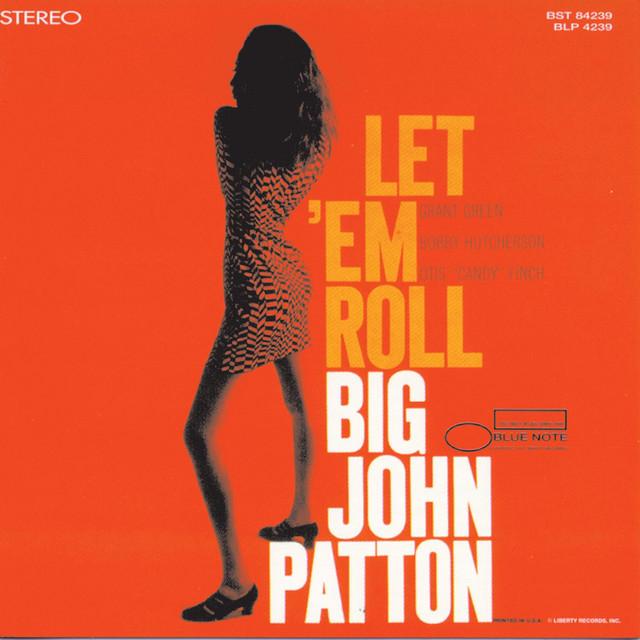
On February 2, 1963, Patton sat in -- playing only the tambourine -- on Jimmy Smith's Rockin' the Boat session. Within weeks he had found his own groove and spent the rest of that year making great music as leader and sideman, exchanging ideas and energies with his close collaborator guitarist Grant Green (on the album Am I Blue?) and with saxophonists George Braith (on Patton's Blue John), Harold Vick (on Steppin' Out!), Johnny Griffin (on Soul Groove), Don Wilkerson (on Shoutin'), and Red Holloway (on Burner). Over the next few years Patton recorded with trumpeter Richard Williams (on Patton's Way I Feel) and vibraphonist Bobby Hutcherson (on Patton's Let 'Em Roll), and also appeared as a catalytic agent on Grant Green's album Iron City, George Braith's Laughing Soul, Clifford Jordan's Soul Fountain, and drummer Grassella Oliphant's Grass Is Greener with trumpeter Clark Terry and saxophonist Harold Ousley. In 1968 Patton's recording unit included saxophonists Junior Cook and Harold Alexander. The last of his albums from this period (Accent on the Blues and Memphis to New York Spirit) featured saxophonists Marvin Cabell and George Coleman as well as guitarist James Blood Ulmer.
After 1970 Patton quit the scene for a long while, quietly residing in East Orange, NJ. He contributed to vibraphonist Johnny Lytle's Everything Must Change in 1977, recorded his own Soul Connection in 1983 with guitarist Melvin Sparks and visionary trombonist Grachan Moncur III, then cut two albums with guitarist Jimmy Ponder: Mean Streets: No Bridges (1987) and Jump (1988). Big John Patton's comeback began in 1993-1994 with two albums featuring saxophonist John Zorn: Blue Planet Man and Minor Swing. Here he touched upon edgy ground similar to that which he had explored in 1968. His last major album, This One's for J.A., was recorded in December 1996. On March 19, 2002, 66-year-old John Patton succumbed to diabetes and renal failure. Overshadowed by organists who for one reason or another enjoyed greater popularity, and still underestimated by many jazz critics and historians, Patton and his recorded legacy are ripe and ready for open-minded reevaluation. ~ arwulf arwulf, Rovi
Viberate is a music analytics platform built for A&Rs, artist managers, labels, booking agents, marketers, and artists.
It helps music professionals track artist growth, analyze audience data, monitor playlist activity, compare artists, follow song performance, and identify opportunities across the music market.
Public artist pages provide a free preview of selected artist data. Paid plans provide access to deeper analytics, historical data, charts, comparisons, playlist tools, exports, alerts, reports, and additional professional features.
Yes. Public Viberate artist pages provide selected artist analytics and music data for free.
Viberate also offers a 7-day free trial of the full platform. A credit card is required to start the trial. The trial includes access to the complete product so users can test deeper artist analytics, historical views, playlist insights, comparisons, charts, exports, alerts, and reporting features before choosing a paid plan.
Viberate provides artist analytics across streaming, playlists, social media, video, radio airplay, songs, and audience markets.
Users can analyze Spotify performance, Spotify and Apple Music playlists, YouTube activity, TikTok and Instagram growth, radio spins, song performance, audience locations, demographics, rankings, and overall artist momentum.
Artist profiles also connect to music charts, similar artists, and comparison tools, helping users benchmark performance and evaluate artists in context.
Viberate updates key artist and track data daily.
For followed artists and tracks, selected data is refreshed multiple times per day. This helps teams monitor playlist changes, streaming movement, audience growth, releases, and campaign performance with more current data.
Update frequency can vary depending on the metric and data source.
Yes. Viberate lets users compare up to five artists side by side across streaming, social media, audience, and engagement metrics.
Users can compare fanbase growth, audience demographics, locations, Spotify performance, social metrics, and other artist data over selected time periods.
Artist comparison can be used for A&R scouting, benchmarking, booking decisions, campaign planning, and evaluating artists with similar audiences or market positions.