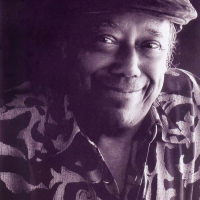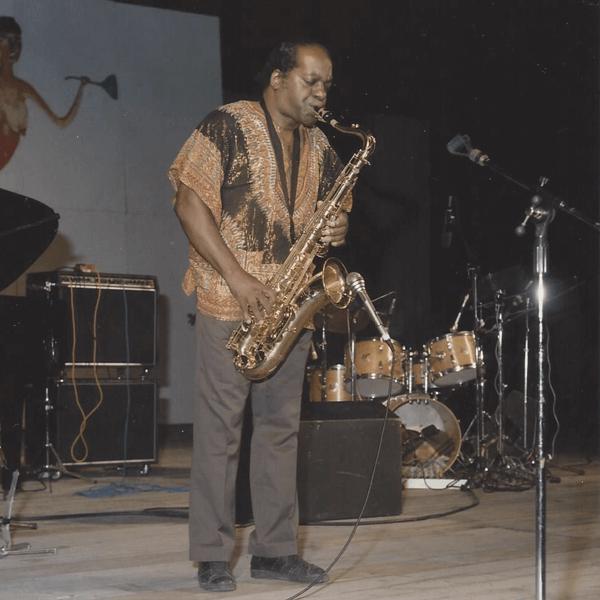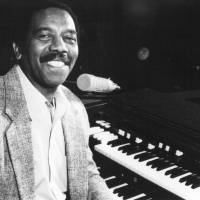
Jimmy Smith

Jazz
Bebop
Soul
 Viberate Rank: 53313
 Viberate Rank: 53313
 Monthly ListenersFollowers
 Subscribers
 Followers
 Followers
 FansTop Spotify Songs
| Track | 7-Day Streams | |
|---|---|---|
1 | 24.74K | |
2 | 21.48K | |
3 | 11.82K | |
4 | 9.01K | |
5 | 5.57K |
Top YouTube VideosMonthly ListenersFeatured in Playlists| Playlist | Followers | |
|---|---|---|
1 |  Jazz Classics Spotify | 5.08M |
2 |  Christmas Jazz Spotify | 645.58K |
3 |  Jazz Classics Blue Note Edition Spotify | 549.36K |
4 |  Just Jazz Spotify | 173.67K |
5 |  This Is Etta James Spotify | 117.77K |
Audience| City | Monthly Listeners | |
|---|---|---|
1 |  | 5.06K |
2 |  | 3.24K |
3 | | 2.60K |
4 | | 2.21K |
5 | | 2.13K |
See full performance history, audience data, playlist activity, rankings, comparisons, and more in Viberate music analytics. Start with a free trial, then continue with a paid plan.
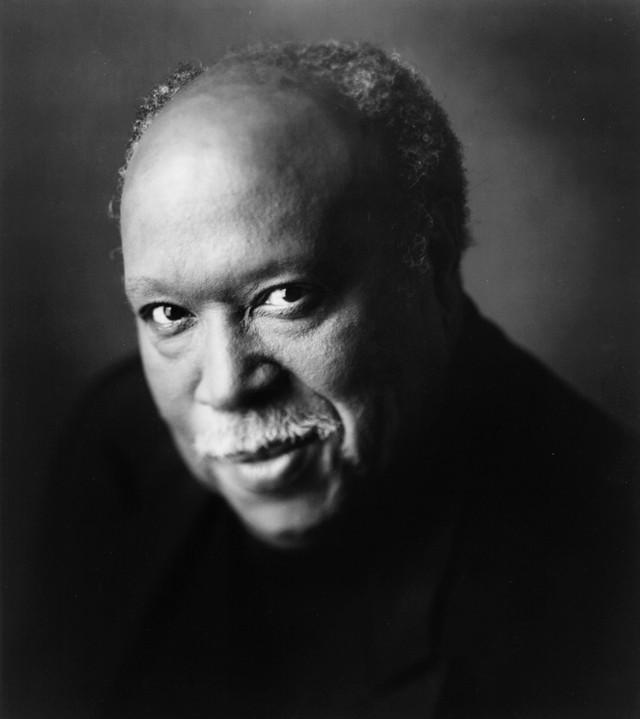
Jimmy Smith’s Spotify BioJimmy Smith wasn't the first organ player in jazz, but no one had a greater influence with the instrument than he did; Smith coaxed a rich, grooving tone from the Hammond B-3, and his sound and style made him a top instrumentalist in the 1950s and '60s, while a number of rock and R&B keyboardists would learn valuable lessons from Smith's example.
James Oscar Smith was born in Norristown, Pennsylvania on December 8, 1925 (some sources cite his birth year as 1928). Smith's father was a musician and entertainer, and young Jimmy joined his song-and-dance act when he was six years old. By the time he was 12, Smith was an accomplished stride piano player who won local talent contests, but when his father began having problems with his knee and gave up performing to work as a plasterer, Jimmy quit school after eighth grade and began working odd jobs to help support the family. At 15, Smith joined the Navy, and when he returned home, he attended music school on the GI Bill, studying at the… Hamilton School of Music and the Ornstein School, both based in Philadelphia.
In 1951, Smith began playing with several R&B acts in Philadelphia while working with his father during the day, but after hearing pioneering organ player Wild Bill Davis, Smith was inspired to switch instruments. Smith bought a Hammond B-3 organ and set up a practice space in a warehouse where he and his father were working; Smith refined the rudiments of his style over the next year (informed more closely by horn players than other keyboard artists, and employing innovative use of the bass pedals and drawbars), and he began playing Philadelphia clubs in 1955. In early 1956, Smith made his New York debut at the legendary Harlem nightspot Small's Paradise, and Smith was soon spotted by Alfred Lion, who ran the well-respected jazz label Blue Note Records. Lion signed Smith to a record deal, and between popular early albums such as The Incredible Jimmy Smith at Club Baby Grand and The Champ and legendary appearances at New York's Birdland and the Newport Jazz Festival, Smith became the hottest new name in jazz.
A prolific recording artist, Smith recorded more than 30 albums for Blue Note between 1956 and 1963, collaborating with the likes of Kenny Burrell, Stanley Turrentine, and Jackie McLean, and in 1963, Smith signed a new record deal with Verve. Smith's first album for Verve, Bashin': The Unpredictable Jimmy Smith, was a critical and commercial success, and the track "Walk on the Wild Side" became a minor hit. Smith maintained his busy performing and recording schedule throughout the 1960s, and in 1966 he cut a pair of celebrated album with guitarist Wes Montgomery. In 1972, Smith's contract with Verve expired, and tired of his demanding tour schedule, he and his wife opened a supper club in California's San Fernando Valley. Smith performed regularly at the club, but it went out of business after only a few years. While Smith continued to record regularly for a variety of labels, his days as a star appeared to be over.
However, in the late '80s, Smith began recording for the Milestone label, cutting several well-reviewed albums that reminded jazz fans Smith was still a master at his instrument, as did a number of live performances with fellow organ virtuoso Joey DeFrancesco. In 1987, producer Quincy Jones invited Smith to play on the sessions for Michael Jackson's album Bad. And Smith found a new generation of fans when hip-hop DJs began sampling Smith's funky organ grooves; the Beastie Boys famously used Smith's "Root Down (And Get It)" for their song "Root Down," and other Smith performances became the basis for tracks by Nas, Gang Starr, Kool G Rap, and DJ Shadow.
In 1995, Smith returned to Verve Records for the album Damn!, and on 2001's Dot Com Blues, Smith teamed up with a variety of blues and R&B stars, including Etta James, B.B. King, Keb' Mo', and Dr. John. In 2004, Smith was honored as a Jazz Master by the National Endowment for the Arts; that same year, Smith relocated from Los Angeles to Scottsdale, Arizona. Several months after settling in Scottsdale, Smith's wife succumbed to cancer, and while he continued to perform and record, Jimmy Smith was found dead in his home less than a year later, on February 8, 2005. His final album, Legacy, was released several months after his passing. ~ Mark Deming, Rovi
Viberate is a music analytics platform built for A&Rs, artist managers, labels, booking agents, marketers, and artists.
It helps music professionals track artist growth, analyze audience data, monitor playlist activity, compare artists, follow song performance, and identify opportunities across the music market.
Public artist pages provide a free preview of selected artist data. Paid plans provide access to deeper analytics, historical data, charts, comparisons, playlist tools, exports, alerts, reports, and additional professional features.
Yes. Public Viberate artist pages provide selected artist analytics and music data for free.
Viberate also offers a 7-day free trial of the full platform. A credit card is required to start the trial. The trial includes access to the complete product so users can test deeper artist analytics, historical views, playlist insights, comparisons, charts, exports, alerts, and reporting features before choosing a paid plan.
Viberate provides artist analytics across streaming, playlists, social media, video, radio airplay, songs, and audience markets.
Users can analyze Spotify performance, Spotify and Apple Music playlists, YouTube activity, TikTok and Instagram growth, radio spins, song performance, audience locations, demographics, rankings, and overall artist momentum.
Artist profiles also connect to music charts, similar artists, and comparison tools, helping users benchmark performance and evaluate artists in context.
Viberate updates key artist and track data daily.
For followed artists and tracks, selected data is refreshed multiple times per day. This helps teams monitor playlist changes, streaming movement, audience growth, releases, and campaign performance with more current data.
Update frequency can vary depending on the metric and data source.
Yes. Viberate lets users compare up to five artists side by side across streaming, social media, audience, and engagement metrics.
Users can compare fanbase growth, audience demographics, locations, Spotify performance, social metrics, and other artist data over selected time periods.
Artist comparison can be used for A&R scouting, benchmarking, booking decisions, campaign planning, and evaluating artists with similar audiences or market positions.