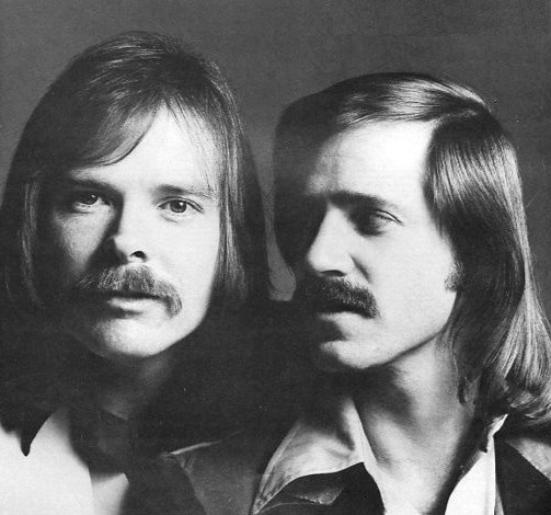
Bertie Higgins

Pop
Mainstream Pop
Pop Rock
Contemporary Country
 Viberate Rank: 46900
 Viberate Rank: 46900
 Monthly ListenersFollowers
 Subscribers
 Followers
 Followers
 FansTop Spotify Songs
| Track | 7-Day Streams | |
|---|---|---|
1 | 81.11K | |
2 | 48.38K | |
3 | 4.81K | |
4 | 4.81K | |
5 | 4.58K |
Top YouTube VideosMonthly ListenersFeatured in Playlists| Playlist | Followers | |
|---|---|---|
1 |  80s Love Songs Spotify | 2.62M |
2 |  80s Soft Rock Spotify | 372.60K |
3 | Classic Rock Greatest Hits Scott Pruden | 341.40K |
4 |  Soft Rock Drive Spotify | 321.12K |
5 |  YACHT ROCK | TOP 100 SONGS Filtr US | 242.07K |
Audience| City | Monthly Listeners | |
|---|---|---|
1 |  | 5.08K |
2 |  | 4.29K |
3 |  | 3.79K |
4 | | 3.70K |
5 |  | 3.24K |
See full performance history, audience data, playlist activity, rankings, comparisons, and more in Viberate music analytics. Start with a free trial, then continue with a paid plan.
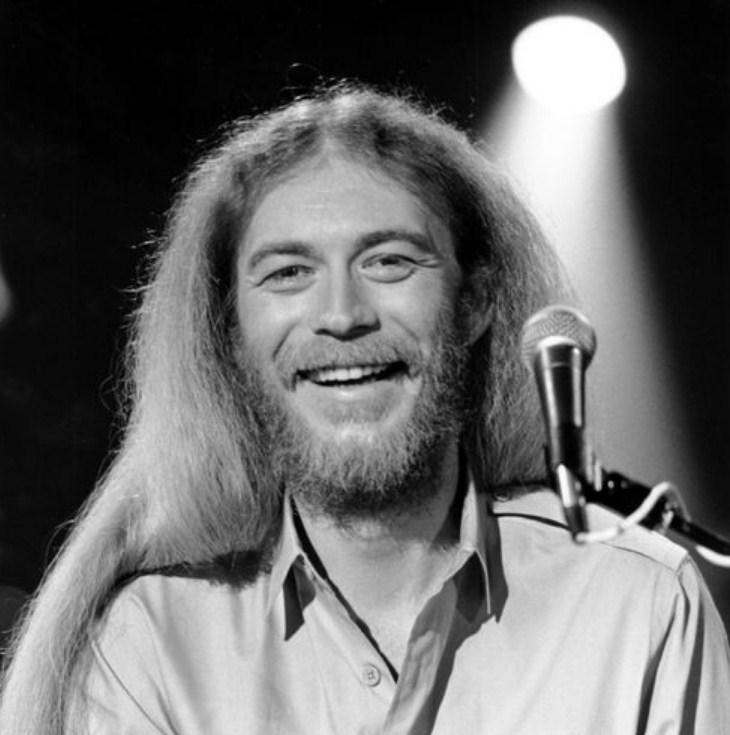
Bertie Higgins’ Spotify BioRemembered for his lone Top Ten single, "Key Largo," a soft rock fantasy about living in a Humphrey Bogart film, Bertie Higgins was a professional musician who made the leap to solo performing in the early '80s. His 1982 debut, Just Another Day in Paradise, was actually a comeback of sorts -- it was the first musical venture he had undertaken since 1968, when he retired to his hometown of Tarpon Springs, FL, after the breakup of his group, the Roemans. Between 1964 and 1968, Higgins drummed with the Roemans, who recorded a series of singles for ABC-Paramount, which were all ignored. More importantly, the Roemans supported vocalist Tommy Roe on tour, which was how they sustained an income. Following the breakup of the group, he returned to Tarpon Springs and over the course of the '70s slowly built up a collection of songs that formed the basis of Just Another Day in Paradise. Released on the independent label Kat Family in 1982, the record became a hit as the single "Key Largo" climbed… its way into the Top Ten. "Key Largo" was the only hit from the record, although the title track did reach the Top 50. For the next 12 years, Higgins was quiet, releasing Then and Now on Epic in 1994 to little attention. Collectables released a set of mostly re-recorded songs from Higgins' songbook in 2003 as Key Largo. That same year, Brazilia appeared from Key Largo Records. Six years later in 2009, Captiva, on Toucan Cove/Universal, was released. ~ Stephen Thomas Erlewine, Rovi
Viberate is a music analytics platform built for A&Rs, artist managers, labels, booking agents, marketers, and artists.
It helps music professionals track artist growth, analyze audience data, monitor playlist activity, compare artists, follow song performance, and identify opportunities across the music market.
Public artist pages provide a free preview of selected artist data. Paid plans provide access to deeper analytics, historical data, charts, comparisons, playlist tools, exports, alerts, reports, and additional professional features.
Yes. Public Viberate artist pages provide selected artist analytics and music data for free.
Viberate also offers a 7-day free trial of the full platform. A credit card is required to start the trial. The trial includes access to the complete product so users can test deeper artist analytics, historical views, playlist insights, comparisons, charts, exports, alerts, and reporting features before choosing a paid plan.
Viberate provides artist analytics across streaming, playlists, social media, video, radio airplay, songs, and audience markets.
Users can analyze Spotify performance, Spotify and Apple Music playlists, YouTube activity, TikTok and Instagram growth, radio spins, song performance, audience locations, demographics, rankings, and overall artist momentum.
Artist profiles also connect to music charts, similar artists, and comparison tools, helping users benchmark performance and evaluate artists in context.
Viberate updates key artist and track data daily.
For followed artists and tracks, selected data is refreshed multiple times per day. This helps teams monitor playlist changes, streaming movement, audience growth, releases, and campaign performance with more current data.
Update frequency can vary depending on the metric and data source.
Yes. Viberate lets users compare up to five artists side by side across streaming, social media, audience, and engagement metrics.
Users can compare fanbase growth, audience demographics, locations, Spotify performance, social metrics, and other artist data over selected time periods.
Artist comparison can be used for A&R scouting, benchmarking, booking decisions, campaign planning, and evaluating artists with similar audiences or market positions.