BBC Scottish Symphony Orchestra

Classical
Orchestral
Celtic
 Viberate Rank: 61830
 Viberate Rank: 61830
 Monthly ListenersFollowers
 Subscribers
 Followers
 Followers
 FansTop Spotify Songs
| Track | 7-Day Streams | |
|---|---|---|
1 | 39.23K | |
2 | 25.52K | |
3 | 23.33K | |
4 | 20.35K | |
5 | 17.43K |
Top YouTube Videos| Video | 7-Day Views | |
|---|---|---|
1 | 587 | |
2 | 552 | |
3 | 355 | |
4 | 259 | |
5 | 161 |
Monthly ListenersFeatured in Playlists| Playlist | Followers | |
|---|---|---|
1 |  Chilled Classical Spotify | 888.60K |
2 |  Best Classical Music Peaceful Classics | 857.62K |
3 |  Reading Adventure Spotify | 431.34K |
4 |  Fantasy Board Gaming Spotify | 325.08K |
5 |  Jazz Meets Classical Spotify | 321.61K |
Audience| City | Monthly Listeners | |
|---|---|---|
1 | | 8.16K |
2 |  | 4.09K |
3 |  | 4.08K |
4 |  | 3.81K |
5 |  | 3.75K |
See full performance history, audience data, playlist activity, rankings, comparisons, and more in Viberate music analytics. Start with a free trial, then continue with a paid plan.
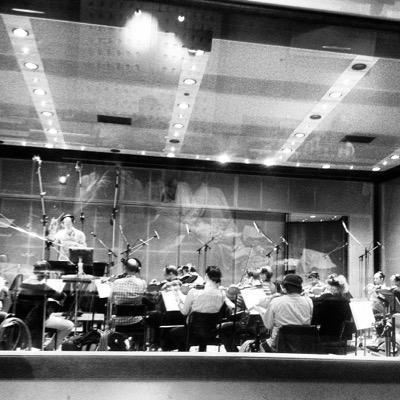
BBC Scottish Symphony Orchestra’s Spotify BioThe BBC Scottish Symphony Orchestra is Scotland's national broadcasting orchestra and considered one of the leading orchestras in Europe. It is one of the five full-time BBC orchestras, and the oldest full-time radio orchestra in Scotland. While most of its performances are in studio for the BBC, it has enjoyed success performing throughout the U.K. and internationally.
The BBC SSO was founded as the BBC Scottish Orchestra in 1935 by conductor and composer Ian Whyte while he served as the first head of music in Scotland for the BBC. Originally located in Edinburgh, the orchestra moved in 1938 to its newly built home in Glasgow. Throughout World War II, the orchestra continued broadcasting its live studio performances for the BBC Home and World Services. Following the war, Whyte expanded the size of the orchestra and in 1948 began the orchestra's annual trip to perform in the Edinburgh Festival. However, the majority of its performances remained in studio.
In 1960, Norman Del Mar was… named principal conductor. In 1961, Del Mar lead the BBC Scottish Orchestra, along with the Scottish National Orchestra, in the U.K. premiere of Stockhausen's Gruppen für drei orchester. The following year he would lead the orchestra in its first performance at the BBC Proms. The orchestra expanded further under Del Mar, and in 1963 was renamed the BBC Scottish Symphony Orchestra. Following Del Mar's departure in 1965, the BBC SSO had a number of principal conductors, including James Loughran (1965-1971), Christopher Seaman (1971-1977), and Jerzy Maksymiuk (1983-1993). In 2003, Ilan Volkov became the youngest chief conductor of a BBC orchestra; during Volkov's tenure, the orchestra moved to its new home at City Halls in Glasgow. He served as chief conductor until 2009. In 2016, Thomas Dausgaard was named chief conductor with a contract running through 2022.
In the 1990s, while continuing to perform for BBC programming, the BBC SSO began performing more often in public. It went on international tours across Europe, the Americas, India, and China. The orchestra also attended more festivals, including the Cheltenham Festival and the Huddersfield Contemporary Music Festival.
Alongside its live broadcast performances, the BBC SSO has released a multitude of commercial recordings, with a majority on the Hyperion label. The BBC SSO under Dausgaard released a recording of Sibelius' Kullervo in 2019 on Hyperion. ~ Keith Finke, Rovi
Viberate is a music analytics platform built for A&Rs, artist managers, labels, booking agents, marketers, and artists.
It helps music professionals track artist growth, analyze audience data, monitor playlist activity, compare artists, follow song performance, and identify opportunities across the music market.
Public artist pages provide a free preview of selected artist data. Paid plans provide access to deeper analytics, historical data, charts, comparisons, playlist tools, exports, alerts, reports, and additional professional features.
Yes. Public Viberate artist pages provide selected artist analytics and music data for free.
Viberate also offers a 7-day free trial of the full platform. A credit card is required to start the trial. The trial includes access to the complete product so users can test deeper artist analytics, historical views, playlist insights, comparisons, charts, exports, alerts, and reporting features before choosing a paid plan.
Viberate provides artist analytics across streaming, playlists, social media, video, radio airplay, songs, and audience markets.
Users can analyze Spotify performance, Spotify and Apple Music playlists, YouTube activity, TikTok and Instagram growth, radio spins, song performance, audience locations, demographics, rankings, and overall artist momentum.
Artist profiles also connect to music charts, similar artists, and comparison tools, helping users benchmark performance and evaluate artists in context.
Viberate updates key artist and track data daily.
For followed artists and tracks, selected data is refreshed multiple times per day. This helps teams monitor playlist changes, streaming movement, audience growth, releases, and campaign performance with more current data.
Update frequency can vary depending on the metric and data source.
Yes. Viberate lets users compare up to five artists side by side across streaming, social media, audience, and engagement metrics.
Users can compare fanbase growth, audience demographics, locations, Spotify performance, social metrics, and other artist data over selected time periods.
Artist comparison can be used for A&R scouting, benchmarking, booking decisions, campaign planning, and evaluating artists with similar audiences or market positions.