Barrett Strong

R&B
Contemporary R&B
Soul
 Viberate Rank: 67601
 Viberate Rank: 67601
 Monthly ListenersFollowers
 Subscribers
 Followers
 Followers
 FansTop Spotify Songs
| Track | 7-Day Streams | |
|---|---|---|
1 | 152.24K | |
2 | 1.31K | |
3 | 540 | |
4 | 421 | |
5 | 421 |
Top YouTube Videos| Video | 7-Day Views | |
|---|---|---|
1 | 18.66K | |
2 | 6.71K | |
3 | 695 | |
4 | 349 | |
5 | 168 |
Monthly ListenersFeatured in Playlists| Playlist | Followers | |
|---|---|---|
1 |  All Out 50s Spotify | 1.89M |
2 |  Summer BBQ Spotify | 656.99K |
3 |  Motown Spotify | 498.37K |
4 |  The Umbrella Academy Official Playlist Spotify | 471.45K |
5 |  50s Party Spotify | 313.83K |
Audience| City | Monthly Listeners | |
|---|---|---|
1 |  | 4.78K |
2 | | 3.84K |
3 | | 3.82K |
4 | | 3.07K |
5 | | 2.33K |
See full performance history, audience data, playlist activity, rankings, comparisons, and more in Viberate music analytics. Start with a free trial, then continue with a paid plan.
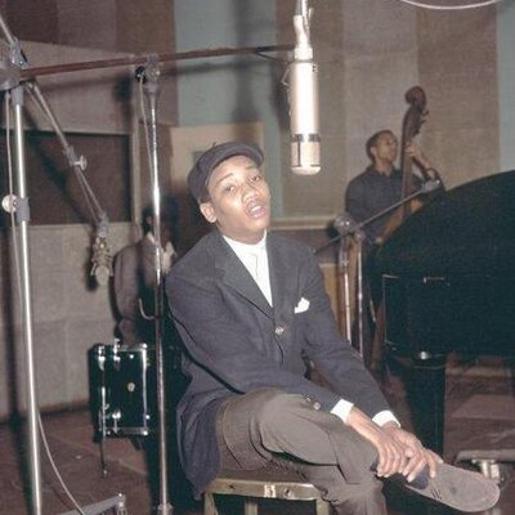
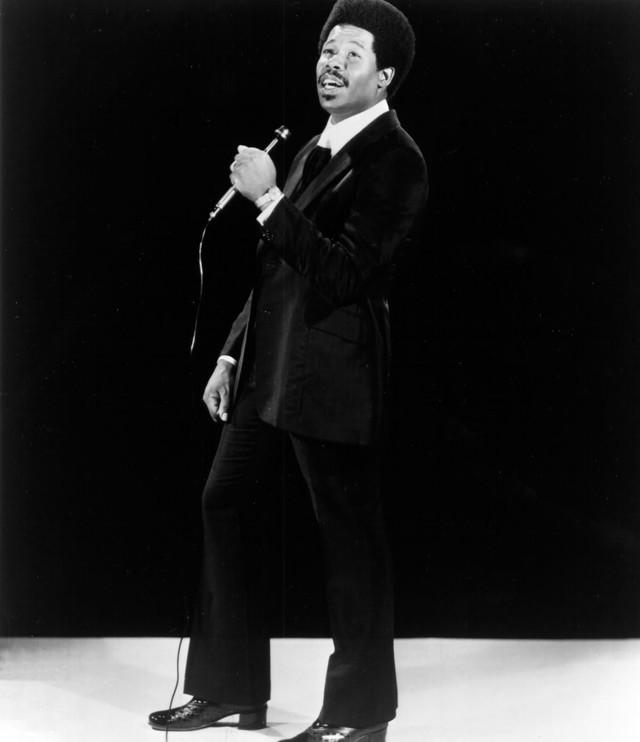
Barrett Strong’s Spotify BioAs a recording artist, Barrett Strong was destined to be branded a one-hit wonder, but that hit, "Money (That's What I Want)," not only became an R&B and rock & roll staple, it was the first major hit for Tamla/Motown Records -- one of the most successful and influential labels of all time. Strong would enjoy more consistent success as a songwriter, penning major hits for Marvin Gaye, Edwin Starr, the Dells, Mary Wells, and more, as well as writing many of the songs that would reposition the Temptations as one of Motown's most progressive acts -- "Cloud Nine," "Psychedelic Shack," and "Ball of Confusion." 2004's The Complete Motown Collection gathered all his material as a headliner for the iconic label.
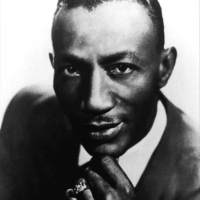
Barrett Strong, Jr. was born in West Point, Mississippi on February 5, 1941. He was one of six children (and the only son) born to Barrett Strong, Sr., a pastor who moved with his family to Detroit, Michigan in 1945. Not long after settling into their new home, his father bought a used… piano, and while he had little success in teaching himself to play, his son was soon picking out songs. While young Barrett was attending Hutchins Middle School in Detroit (where one of his classmates was Aretha Franklin), his sisters formed a gospel vocal group, the Strong Sisters, and he became their pianist. The Strong home became a hub for aspiring young musicians (Strong would later joke that many of the young men stopped by because his sisters were pretty), and during an informal jam session, he met Jackie Wilson, soon on his way to stardom. Through Wilson, Strong was introduced to Berry Gordy, a songwriter who had penned some tunes for Wilson. Strong impressed Gordy with an impromptu performance of Ray Charles' "Drown in My Own Tears," and Gordy became his manager. In 1959, Gordy, who was enjoying success as a songwriter and record producer, invited Strong to a recording session, and while playing "What'd I Say" by Ray Charles, Strong began extrapolating a different melody for a tough R&B tune. The song would become "Money (That's What I Want)," which Gordy released on his fledgling Tamla label. The song became a major R&B smash, hitting number two on the R&B singles chart and crossing over to the pop charts, where it peaked at 23. (Strong would later spend years in a legal battle with Gordy, insisting he wrote the song while his credit disappeared and returned a number of times when Gordy renewed the song's copyright.)
Strong continued to write and record material for Tamla/Motown, but his follow-up singles failed to chart. He left the label in 1962 and relocated to Chicago, cutting sides for Atco and Tollie Records. He also wrote "Stay in My Corner" with Wade Flemons and Robert Eugene Miller. The song was a hit for the Dells in 1965 when they were signed to Vee-Jay, and fared even better when they re-recorded it for Cadet in 1968, going all the way to number one on the R&B chart and peaking at number ten on the pop survey. Strong was proving no more successful as a recording artist in Chicago than he'd been at Motown, and he returned to Detroit, becoming part of Motown's team of songwriters. In 1967, he co-wrote a tune with Norman Whitfield, "I Heard It Through the Grapevine," that became a hit for Gladys Knight and the Pips, and an even bigger hit when Marvin Gaye covered it a year later. With Whitfield writing the music and Strong handling lyrics, they were potent songwriting partners, and in 1969 they wrote "War," a bold socio-political statement by Motown standards, that Edwin Starr made into a hit. "War" became the jumping-off point for a string of songs Strong and Whitfield would pen for the Temptations, updating their sound and adding psychedelic influences and up-to-date lyrics. "Cloud Nine," "Psychedelic Shack," "I Can't Get Next to You," and "Ball of Confusion (That's What the World Is Today)" were all major chart successes for the Temptations, and when they pointed the group toward a more measured and personal tone with 1971's "Just My Imagination (Running Away with Me)" and 1972's "Papa Was a Rolling Stone," both songs went to number one on the pop charts.
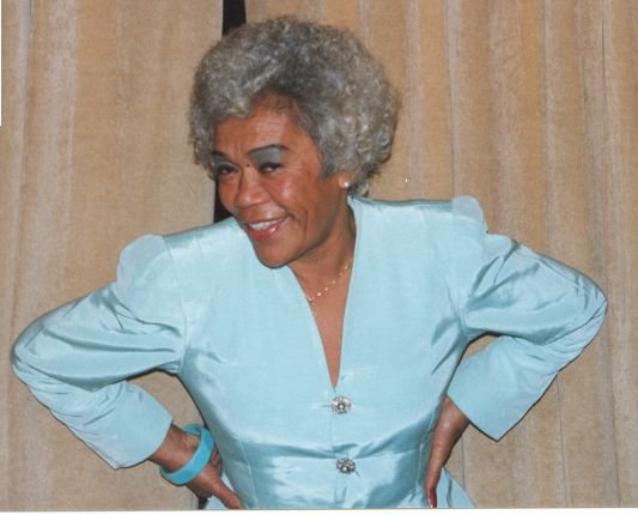
In 1972, Motown moved its operations from Detroit to Los Angeles, and Strong was one of a number of artists who chose to stay in Detroit. He took the opportunity to begin performing again, and after cutting a 1973 single for Epic, "Stand Up and Cheer for the Preacher," he signed with Capitol, where he released his first album, 1975's Stronghold. A second LP for Capitol, Live & Love, came out in 1976 and was his last album for the label. Strong continued to write songs and produce material for other artists, and watched as "Money" continued to have a remarkable life, covered by everyone from the Beatles and Jerry Lee Lewis to the Flying Lizards. In 1980, Strong recorded Love Is You for the independent Cherie label, and in 1995 he formed Blarritt Records, a Detroit-based label designed to give opportunities to young talent in the Motor City. Blarritt would release Strong's fourth album, Stronghold, Vol. 2, in 2000, which featured vocalist Eliza Neals. Strong and Norman Whitfield were inducted into the Songwriters Hall of Fame in 2004, and when Neals cut a new version of "Misery," a tune Strong released on Tamla in 1961, he appeared in the music video, a first for him. Strong suffered a stroke in 2009, forcing him into retirement. Barrett Strong died on January 28, 2023 at his home in San Diego, California. He was 81 years of age. ~ Mark Deming, Rovi
Viberate is a music analytics platform built for A&Rs, artist managers, labels, booking agents, marketers, and artists.
It helps music professionals track artist growth, analyze audience data, monitor playlist activity, compare artists, follow song performance, and identify opportunities across the music market.
Public artist pages provide a free preview of selected artist data. Paid plans provide access to deeper analytics, historical data, charts, comparisons, playlist tools, exports, alerts, reports, and additional professional features.
Yes. Public Viberate artist pages provide selected artist analytics and music data for free.
Viberate also offers a 7-day free trial of the full platform. A credit card is required to start the trial. The trial includes access to the complete product so users can test deeper artist analytics, historical views, playlist insights, comparisons, charts, exports, alerts, and reporting features before choosing a paid plan.
Viberate provides artist analytics across streaming, playlists, social media, video, radio airplay, songs, and audience markets.
Users can analyze Spotify performance, Spotify and Apple Music playlists, YouTube activity, TikTok and Instagram growth, radio spins, song performance, audience locations, demographics, rankings, and overall artist momentum.
Artist profiles also connect to music charts, similar artists, and comparison tools, helping users benchmark performance and evaluate artists in context.
Viberate updates key artist and track data daily.
For followed artists and tracks, selected data is refreshed multiple times per day. This helps teams monitor playlist changes, streaming movement, audience growth, releases, and campaign performance with more current data.
Update frequency can vary depending on the metric and data source.
Yes. Viberate lets users compare up to five artists side by side across streaming, social media, audience, and engagement metrics.
Users can compare fanbase growth, audience demographics, locations, Spotify performance, social metrics, and other artist data over selected time periods.
Artist comparison can be used for A&R scouting, benchmarking, booking decisions, campaign planning, and evaluating artists with similar audiences or market positions.