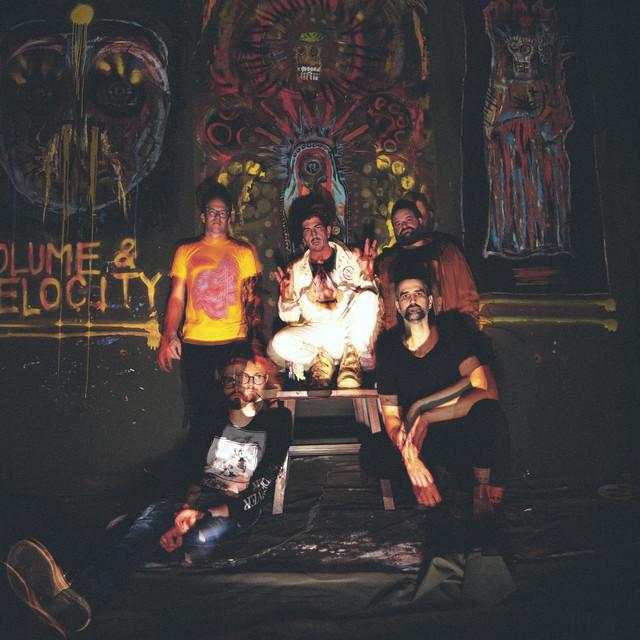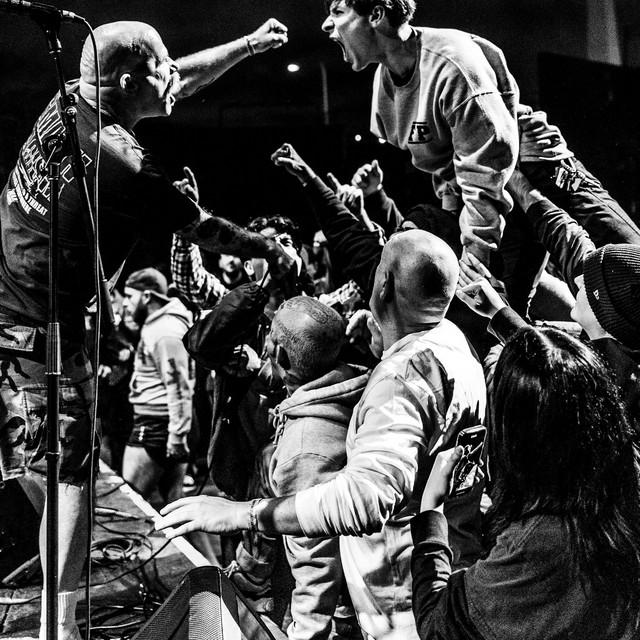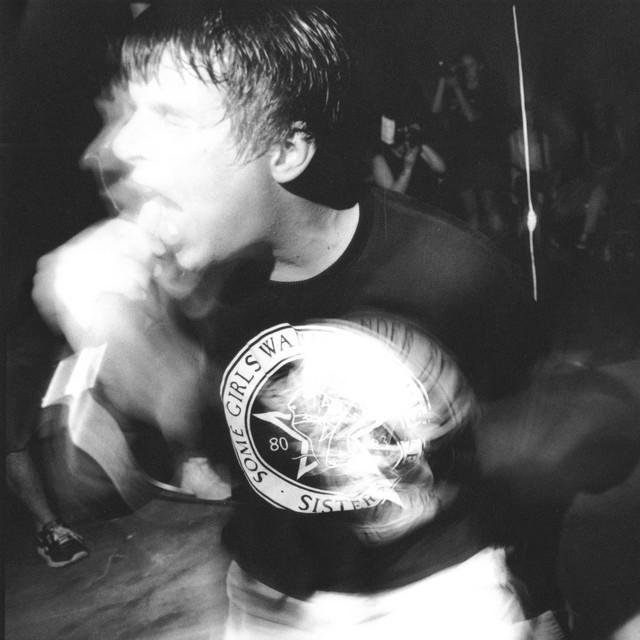
Bane

Punk
Hardcore Punk
Hardstyle/Hardcore
 Viberate Rank: 74684
 Viberate Rank: 74684
 Monthly ListenersFollowers
 Subscribers
 Followers
 Followers
 FansTop Spotify Songs
| Track | 7-Day Streams | |
|---|---|---|
1 | 13.55K | |
2 | 12.00K | |
3 | 7.40K | |
4 | 6.40K | |
5 | 5.70K |
Top YouTube Videos| Video | 7-Day Views | |
|---|---|---|
1 | 509 | |
2 | 82 | |
3 | 34 | |
4 | 16 |
Monthly ListenersFeatured in Playlists| Playlist | Followers | |
|---|---|---|
1 |  Classic Hardcore Spotify | 248.65K |
2 |  Hardcore Punk Pure Noise Records | 77.03K |
3 |  Hardcore Gardening Spotify | 71.41K |
4 |  Deutschrap 2016/17/18/19/20 agnes.llv | 42.68K |
5 |  GET READY WITH KAROKAUER Karolina Kauer | 30.12K |
Audience| City | Monthly Listeners | |
|---|---|---|
1 | | 702 |
2 |  | 658 |
3 | | 646 |
4 | | 578 |
5 | | 504 |
See full performance history, audience data, playlist activity, rankings, comparisons, and more in Viberate music analytics. Start with a free trial, then continue with a paid plan.
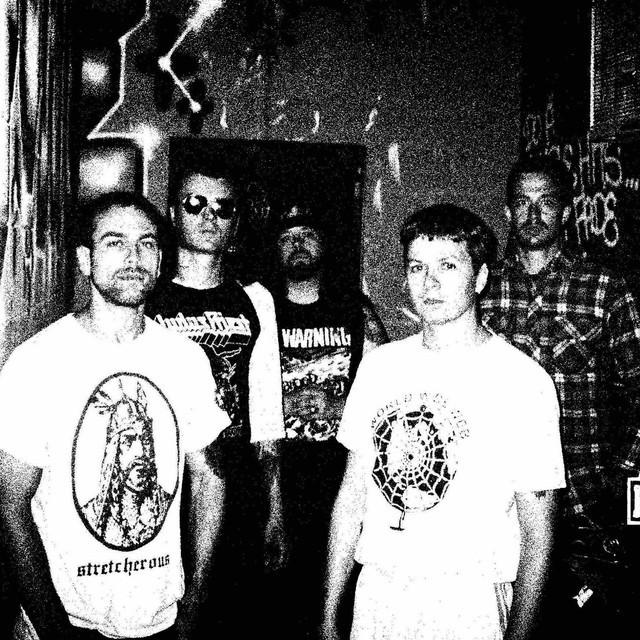
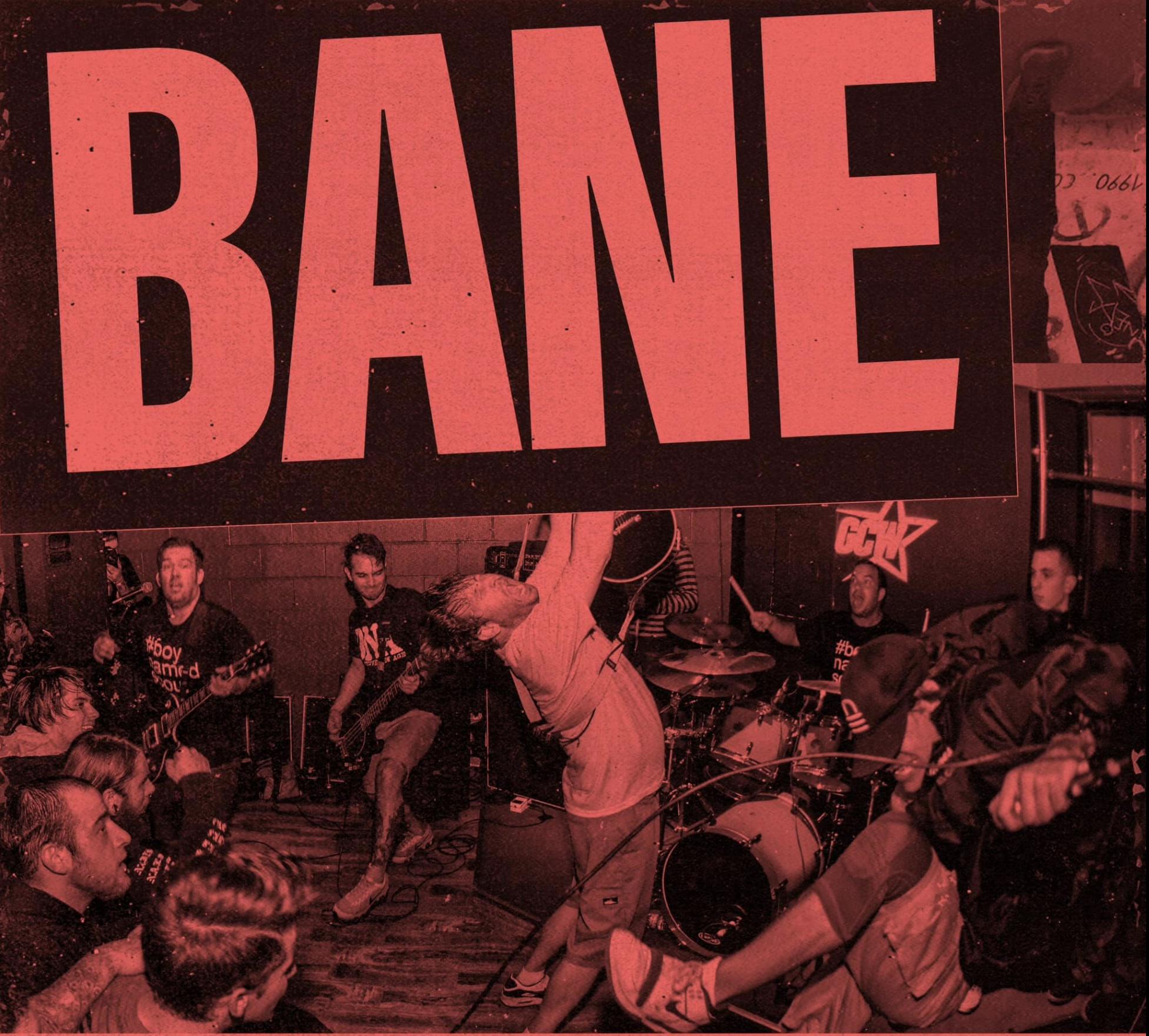
Bane’s Spotify BioFormed in Massachusetts, Bane began as a side project between Aaron Dalbec and members of Converge. After contacting Aaron Bedard, a former drummer in local hardcore punk bands, the group entered the studio in December 1995. After recording a demo, Bane made their live debut in February 1996. The lineup saw the addition of bass player Pete Chilton and released a debut 7" single. In May 1997 Bane released Free to Think, Free to Be, another 7" single. Another guitarist, Zachary Jordan, was added to the group as a member of Converge returned to his top priority. In May 1998 another 7" single, Holding This Moment, was released and was followed by a tour with Saves the Day. In 1999, Bane signed to Equal Vision Records and released the band's debut full-length album, It All Comes Down to This. A national and international tour with Death by Stereo ensued. The group also toured with Good Riddance and Strike Anywhere. In 2001, Bane released Give Blood. They have toured throughout Europe as… well as performing at various festivals, including Furnace Fest. The band returned in the spring of 2005 with The Note. A few EPs followed during the rest of the decade, although the project didn't release another album until 2014's Don't Wait Up on Equal Vision. ~ Jason MacNeil, Rovi
Viberate is a music analytics platform built for A&Rs, artist managers, labels, booking agents, marketers, and artists.
It helps music professionals track artist growth, analyze audience data, monitor playlist activity, compare artists, follow song performance, and identify opportunities across the music market.
Public artist pages provide a free preview of selected artist data. Paid plans provide access to deeper analytics, historical data, charts, comparisons, playlist tools, exports, alerts, reports, and additional professional features.
Yes. Public Viberate artist pages provide selected artist analytics and music data for free.
Viberate also offers a 7-day free trial of the full platform. A credit card is required to start the trial. The trial includes access to the complete product so users can test deeper artist analytics, historical views, playlist insights, comparisons, charts, exports, alerts, and reporting features before choosing a paid plan.
Viberate provides artist analytics across streaming, playlists, social media, video, radio airplay, songs, and audience markets.
Users can analyze Spotify performance, Spotify and Apple Music playlists, YouTube activity, TikTok and Instagram growth, radio spins, song performance, audience locations, demographics, rankings, and overall artist momentum.
Artist profiles also connect to music charts, similar artists, and comparison tools, helping users benchmark performance and evaluate artists in context.
Viberate updates key artist and track data daily.
For followed artists and tracks, selected data is refreshed multiple times per day. This helps teams monitor playlist changes, streaming movement, audience growth, releases, and campaign performance with more current data.
Update frequency can vary depending on the metric and data source.
Yes. Viberate lets users compare up to five artists side by side across streaming, social media, audience, and engagement metrics.
Users can compare fanbase growth, audience demographics, locations, Spotify performance, social metrics, and other artist data over selected time periods.
Artist comparison can be used for A&R scouting, benchmarking, booking decisions, campaign planning, and evaluating artists with similar audiences or market positions.