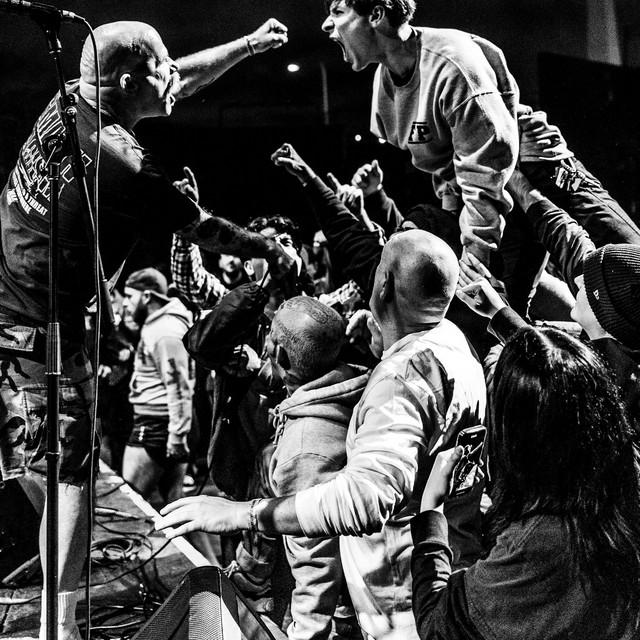
Strife

Punk
Hardcore Punk
Hardstyle/Hardcore
 Viberate Rank: 75459
 Viberate Rank: 75459
 Monthly ListenersFollowers
 Subscribers
 Followers
 Followers
 FansTop Spotify Songs
| Track | 7-Day Streams | |
|---|---|---|
1 | 13.32K | |
2 | 4.70K | |
3 | 4.20K | |
4 | 3.77K | |
5 | 3.60K |
Top YouTube Videos| Video | 7-Day Views | |
|---|---|---|
1 | 1.80K | |
2 | 286 | |
3 | 35 | |
4 | 15 | |
5 | 13 |
Monthly ListenersFeatured in Playlists| Playlist | Followers | |
|---|---|---|
1 |  Classic Hardcore Spotify | 248.65K |
2 |  This Is Chino Moreno Spotify | 85.86K |
3 |  Straight Edge Anthems Spotify | 45.51K |
4 |  hardcore. Tehuringa | 27.00K |
5 | 2000s motocross rock🤙🏻 Donald.Lilly | 7.42K |
Audience| City | Monthly Listeners | |
|---|---|---|
1 | | 1.10K |
2 |  | 969 |
3 | | 818 |
4 | | 704 |
5 | | 598 |
See full performance history, audience data, playlist activity, rankings, comparisons, and more in Viberate music analytics. Start with a free trial, then continue with a paid plan.
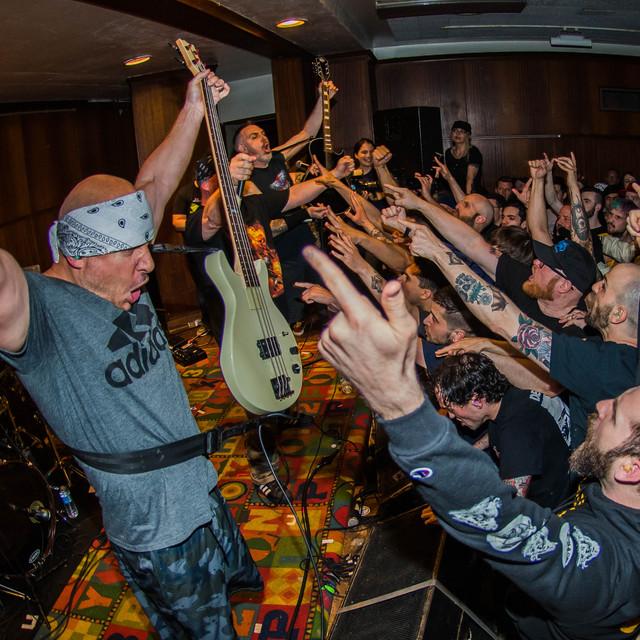
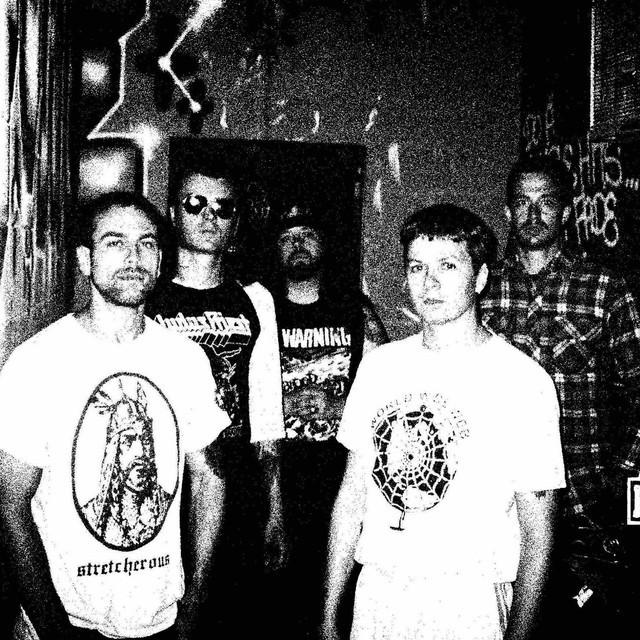
Strife’s Spotify BioNot long after their formation in 1991, Strife hit the ground running and solidified themselves as one of the breakout hardcore bands that defined the hardcore sound of the 90’s. Their debut LP, One Truth, was released in 1994 by Victory Records to both critical acclaim and tremendous sales. After years of touring heavily across the U.S. and abroad, as well as a support slot for Sepultura on the Roots tour, Strife returned to the studio to record their Sophmore LP, In This Defiance. In This Defiance was even harder and more aggressive than their debut, and this record bridged the gap between hardcore and metal; featuring notable guest appearances from Chino Moreno of Deftones, Dino Cazares of Fear Factory and Iggor Cavalera of Sepultura. 2001 saw the release of their third LP, Angermeans, on Victory Records.
Fast forward to 2012, and Strife returned to the studio to record their 4th studio album, Witness A Rebirth. With producer Nick Jett at the helm, Strife recruited friend and… previous collaborator Iggor Cavalera (founding member of Sepultura) to perform drums for the album and traveled to Brazil to start the recording process with him. Soon after, they returned to California and put the rest of the pieces into place, including guest appearances from Billy Graziadei (Biohazard), Scott Vogel (Terror), and Marc Rizzo (Soulfly). Witness A Rebirth saw Strife’s return to form, and the album was met with high praises from both their fans and the press.
Viberate is a music analytics platform built for A&Rs, artist managers, labels, booking agents, marketers, and artists.
It helps music professionals track artist growth, analyze audience data, monitor playlist activity, compare artists, follow song performance, and identify opportunities across the music market.
Public artist pages provide a free preview of selected artist data. Paid plans provide access to deeper analytics, historical data, charts, comparisons, playlist tools, exports, alerts, reports, and additional professional features.
Yes. Public Viberate artist pages provide selected artist analytics and music data for free.
Viberate also offers a 7-day free trial of the full platform. A credit card is required to start the trial. The trial includes access to the complete product so users can test deeper artist analytics, historical views, playlist insights, comparisons, charts, exports, alerts, and reporting features before choosing a paid plan.
Viberate provides artist analytics across streaming, playlists, social media, video, radio airplay, songs, and audience markets.
Users can analyze Spotify performance, Spotify and Apple Music playlists, YouTube activity, TikTok and Instagram growth, radio spins, song performance, audience locations, demographics, rankings, and overall artist momentum.
Artist profiles also connect to music charts, similar artists, and comparison tools, helping users benchmark performance and evaluate artists in context.
Viberate updates key artist and track data daily.
For followed artists and tracks, selected data is refreshed multiple times per day. This helps teams monitor playlist changes, streaming movement, audience growth, releases, and campaign performance with more current data.
Update frequency can vary depending on the metric and data source.
Yes. Viberate lets users compare up to five artists side by side across streaming, social media, audience, and engagement metrics.
Users can compare fanbase growth, audience demographics, locations, Spotify performance, social metrics, and other artist data over selected time periods.
Artist comparison can be used for A&R scouting, benchmarking, booking decisions, campaign planning, and evaluating artists with similar audiences or market positions.