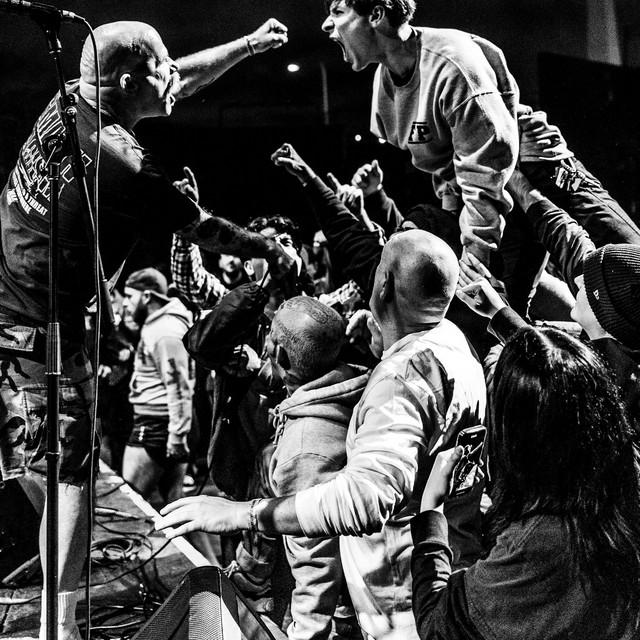
No Warning

Punk
Hardcore Punk
Hardstyle/Hardcore
 Viberate Rank: 127260
 Viberate Rank: 127260
 Monthly ListenersFollowers
 Subscribers
 Followers
 Followers
 FansTop Spotify Songs
| Track | 7-Day Streams | |
|---|---|---|
1 | 7.00K | |
2 | 5.90K | |
3 | 3.33K | |
4 | 3.00K | |
5 | 2.28K |
Top YouTube VideosMonthly ListenersFeatured in Playlists| Playlist | Followers | |
|---|---|---|
1 |  Hardcore Punk Pure Noise Records | 77.03K |
2 |  hardcore. Tehuringa | 27.00K |
3 | Hevy Metal🤟 KUDŁATY | 19.35K |
4 | Hardcore Punk - Actual real shit Christina Pap | 15.63K |
5 |  THIS IS HARDCORE Ricardo Vice Santos | 13.22K |
Audience| City | Monthly Listeners | |
|---|---|---|
1 |  | 767 |
2 | | 548 |
3 | | 492 |
4 | | 478 |
5 | | 434 |
See full performance history, audience data, playlist activity, rankings, comparisons, and more in Viberate music analytics. Start with a free trial, then continue with a paid plan.
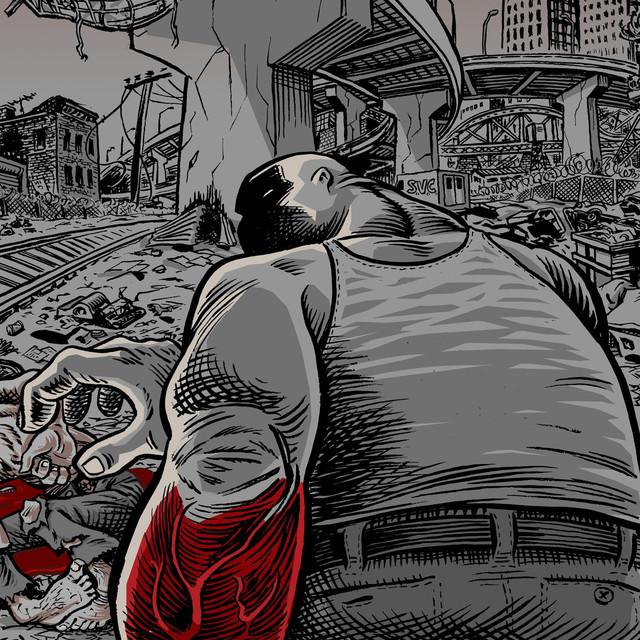
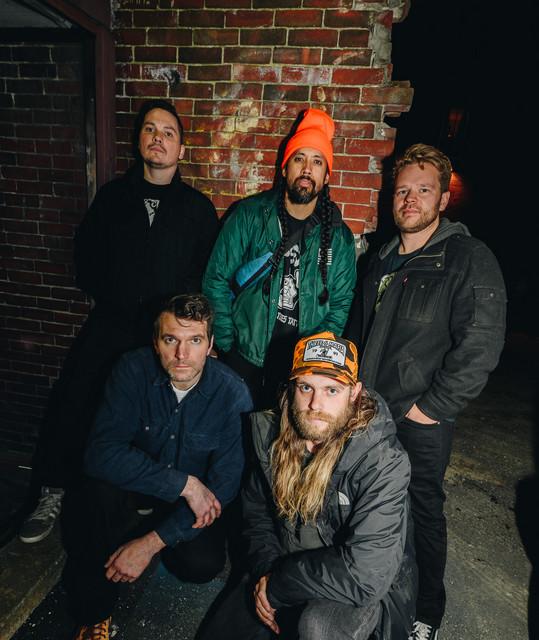
No Warning’s Spotify BioA fiery Canadian hardcore punk unit based out of Toronto, the foundation of No Warning was constructed in 1998 by vocalist Ben Cook and guitarists Matt Delong and Alan Riches. Operating under the moniker As We Once Were, they released a pair of demos before rebranding themselves as No Warning in 2001, and releasing an eponymous debut album via Boston-based indie Bridge Nine Records. The band's sophomore effort, 2002's hard-hitting Ill Blood, caught the ear of Sum 41 manager/producer Greig Nori, who signed the group to his management/production company. In 2004 the group inked a deal with the Linkin Park-founded Machine Shop Records and released their highly anticipated third studio long-player, Suffer, Survive. The following year, after a heavy bout of touring, the band decided to call it quits, with members splintering off into multiple projects including Surplus Sons, Fucked Up, Terror, and Millennial Reign. No Warning reconvened in 2013 for a one-off 7", but by 2014 they were… playing live shows both at home and overseas. In August 2017, the band announced the impending arrival of their long-awaited fourth full-length outing. The resulting Torture Culture, which featured a lineup consisting of Ben Cook, Matt Delong, Jordan Posner, Jesse Labovitz, and Ryan Gavel, was released later that October. ~ James Christopher Monger, Rovi
Viberate is a music analytics platform built for A&Rs, artist managers, labels, booking agents, marketers, and artists.
It helps music professionals track artist growth, analyze audience data, monitor playlist activity, compare artists, follow song performance, and identify opportunities across the music market.
Public artist pages provide a free preview of selected artist data. Paid plans provide access to deeper analytics, historical data, charts, comparisons, playlist tools, exports, alerts, reports, and additional professional features.
Yes. Public Viberate artist pages provide selected artist analytics and music data for free.
Viberate also offers a 7-day free trial of the full platform. A credit card is required to start the trial. The trial includes access to the complete product so users can test deeper artist analytics, historical views, playlist insights, comparisons, charts, exports, alerts, and reporting features before choosing a paid plan.
Viberate provides artist analytics across streaming, playlists, social media, video, radio airplay, songs, and audience markets.
Users can analyze Spotify performance, Spotify and Apple Music playlists, YouTube activity, TikTok and Instagram growth, radio spins, song performance, audience locations, demographics, rankings, and overall artist momentum.
Artist profiles also connect to music charts, similar artists, and comparison tools, helping users benchmark performance and evaluate artists in context.
Viberate updates key artist and track data daily.
For followed artists and tracks, selected data is refreshed multiple times per day. This helps teams monitor playlist changes, streaming movement, audience growth, releases, and campaign performance with more current data.
Update frequency can vary depending on the metric and data source.
Yes. Viberate lets users compare up to five artists side by side across streaming, social media, audience, and engagement metrics.
Users can compare fanbase growth, audience demographics, locations, Spotify performance, social metrics, and other artist data over selected time periods.
Artist comparison can be used for A&R scouting, benchmarking, booking decisions, campaign planning, and evaluating artists with similar audiences or market positions.