The Derailers

Country
Americana/Alt Country
 Viberate Rank: 158854
 Viberate Rank: 158854
 Monthly ListenersFollowers
 Subscribers
 Followers
 Followers
 FansTop Spotify Songs
| Track | 7-Day Streams | |
|---|---|---|
1 | 5.46K | |
2 | 4.62K | |
3 | 3.25K | |
4 | 2.65K | |
5 | 2.45K |
Top YouTube Videos| Video | 7-Day Views | |
|---|---|---|
1 | 730 |
Monthly ListenersFeatured in Playlists| Playlist | Followers | |
|---|---|---|
1 | Mat Young | 67.69K |
2 |  No Shoes Radio Bill Cheatham | 11.47K |
3 |  Steel Guitar Country Roberto Trevizan | 8.49K |
4 |  Southern Rock & Country Rock Frater Kilpatrick | 7.91K |
5 | FNL (unofficial) Hannah Peckham | 7.66K |
Audience| City | Monthly Listeners | |
|---|---|---|
1 | | 1.01K |
2 | | 842 |
3 | | 828 |
4 | | 671 |
5 |  | 594 |
See full performance history, audience data, playlist activity, rankings, comparisons, and more in Viberate music analytics. Start with a free trial, then continue with a paid plan.
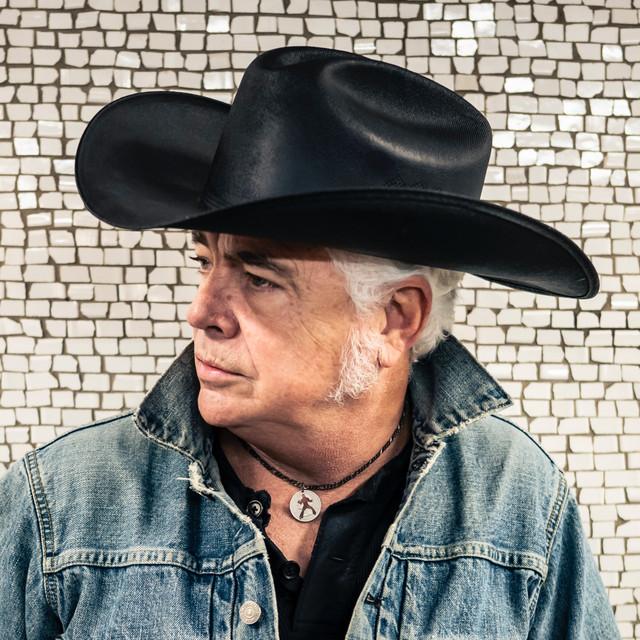
The Derailers’ Spotify BioA honky tonk band following the tradition set by Buck Owens, Austin, TX's Derailers were led by vocalist/rhythm guitarist Tony Villanueva and lead guitarist Brian Hofeldt, longtime friends who grew up together in Oregon. After playing in various Portland-area rockabilly outfits, Villanueva relocated to Texas at the age of 19, and Hofeldt soon tagged along; after settling in Austin, the duo joined forces with Vic Gerard Ziolkowski, the bassist in a band called Two Hoots & a Holler, and began focusing on playing straightforward honky tonk music. In 1995 the Derailers issued their first LP, Live Tracks; following their second release, 1996's Jackpot, Terry Kirkendall became the group's permanent drummer. Reverb Deluxe appeared in 1997, and two years later the Derailers returned with Full Western Dress. By this point the lineup had shifted to include drummer Scott Matthews and bassist Ed Adkins. Here Come the Derailers appeared in 2001; it was the band's first for Sony's Lucky Dog imprint… and featured a slicker version of their signature sound, designed for larger exposure. Genuine, their second effort for the major label, appeared in March 2003. It included songwriting contributions from Jim Lauderdale and Al Anderson. Change was in the wind for the Derailers soon after Genuine was released; Villanueva amicably split with the band in order to become a pastor, Hofedt stepped into the forefront on vocals and guitar, and the band recruited steel guitarist Chris Schlotzhauer and pianist Sweet Basil McJagger to round out the lineup. Dissatisfied with the direction the band's sound had taken under Sony, the Derailers went to Palo Duro for their next release, 2007's Soldiers of Love. Produced by Buzz Cason, the album found the band turning away from the slick Nashville sound of Genuine and upping the rock vibe that characterized much of its earlier work. Under the Influence of Buck, a 13-track tribute to Buck Owens, was also released in 2007. Guaranteed to Satisfy appeared in 2008, followed by Live! From Texas in 2010. ~ Johnny Loftus, Rovi
Viberate is a music analytics platform built for A&Rs, artist managers, labels, booking agents, marketers, and artists.
It helps music professionals track artist growth, analyze audience data, monitor playlist activity, compare artists, follow song performance, and identify opportunities across the music market.
Public artist pages provide a free preview of selected artist data. Paid plans provide access to deeper analytics, historical data, charts, comparisons, playlist tools, exports, alerts, reports, and additional professional features.
Yes. Public Viberate artist pages provide selected artist analytics and music data for free.
Viberate also offers a 7-day free trial of the full platform. A credit card is required to start the trial. The trial includes access to the complete product so users can test deeper artist analytics, historical views, playlist insights, comparisons, charts, exports, alerts, and reporting features before choosing a paid plan.
Viberate provides artist analytics across streaming, playlists, social media, video, radio airplay, songs, and audience markets.
Users can analyze Spotify performance, Spotify and Apple Music playlists, YouTube activity, TikTok and Instagram growth, radio spins, song performance, audience locations, demographics, rankings, and overall artist momentum.
Artist profiles also connect to music charts, similar artists, and comparison tools, helping users benchmark performance and evaluate artists in context.
Viberate updates key artist and track data daily.
For followed artists and tracks, selected data is refreshed multiple times per day. This helps teams monitor playlist changes, streaming movement, audience growth, releases, and campaign performance with more current data.
Update frequency can vary depending on the metric and data source.
Yes. Viberate lets users compare up to five artists side by side across streaming, social media, audience, and engagement metrics.
Users can compare fanbase growth, audience demographics, locations, Spotify performance, social metrics, and other artist data over selected time periods.
Artist comparison can be used for A&R scouting, benchmarking, booking decisions, campaign planning, and evaluating artists with similar audiences or market positions.