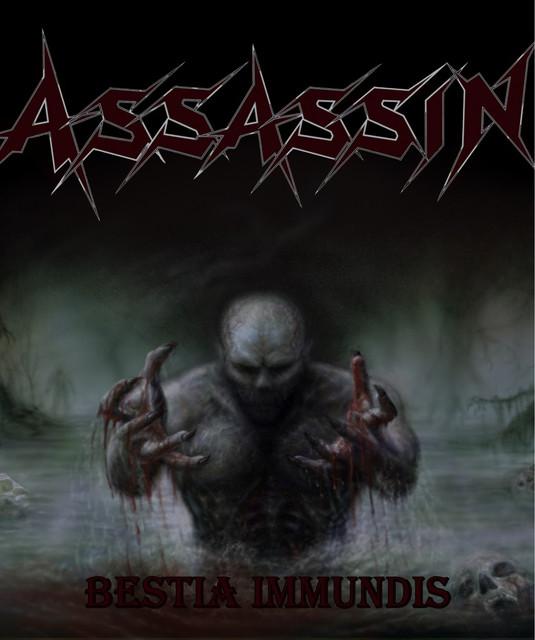
Assassin

Metal
Thrash Metal
 Viberate Rank: 238945
 Viberate Rank: 238945
 Monthly ListenersFollowers
 Subscribers
 Followers
 Followers
 FansTop Spotify Songs
| Track | 7-Day Streams | |
|---|---|---|
1 | 181 | |
2 | 155 | |
3 | 134 | |
4 | 124 | |
5 | 100 |
Top YouTube Videos| Video | 7-Day Views | |
|---|---|---|
1 | 221 | |
2 | 99 | |
3 | 81 | |
4 | 59 | |
5 | 26 |
Monthly ListenersFeatured in Playlists| Playlist | Followers | |
|---|---|---|
1 |  Jungle is Massive 💫 Em💫 | 61.82K |
2 |  FENRIZ METAL Gylve | 32.35K |
3 |  Metal Instrumentals Samidhya Sarker Torsho | 18.16K |
4 |  RAGGATEK Manon Hamel | 11.96K |
5 | Instrumental Metal! \m/ Chris Fay | 9.89K |
Audience| City | Monthly Listeners | |
|---|---|---|
1 |  | 119 |
2 |  | 46 |
3 |  | 41 |
4 |  | 36 |
5 |  | 29 |
See full performance history, audience data, playlist activity, rankings, comparisons, and more in Viberate music analytics. Start with a free trial, then continue with a paid plan.
Assassin’s Spotify BioFormed circa 1985 in the city of Düsseldorf by vocalist Robert Gonnella, guitarists Dinko Vecic and Scholli, bassist Lulle, and drummer Danger (later re-baptized Psycho), Assassin were one of Germany's first thrash metal bands. A set of demo tapes, 1985's Holy Terror and 1986's The Saga of Nemesis, led to a deal with German label Steamhammer and the release of the band's The Upcoming Terror LP in 1987. Received with lukewarm reviews and even milder fan response, the album's raw energy and basic thrashing style were already somewhat behind the times, so fast was metal's evolution during the 1980s, so Assassin tried to keep busy with occasional concerts opening for more established Teutonic acts like Kreator and Warlock. Come 1988's Interstellar Experience, all but Gonella and Vecic had departed, making way for new members Michael Hoffman (guitar), Markus Ludwig (bass), and Frank Nellen (drums). Here too, the band's generic thrash simply failed to impress when compared to true innovators… like Testament and Death Angel, with whom Assassin toured Germany later that year. Plans for a third album moved forward apace, but then all of the band's equipment was stolen, effectively leaving them high and dry. Hoffman accepted an invitation to join countrymen Sodom soon thereafter, and Assassin were officially toast -- although they later re-formed in 2001. ~ Eduardo Rivadavia, Rovi
Viberate is a music analytics platform built for A&Rs, artist managers, labels, booking agents, marketers, and artists.
It helps music professionals track artist growth, analyze audience data, monitor playlist activity, compare artists, follow song performance, and identify opportunities across the music market.
Public artist pages provide a free preview of selected artist data. Paid plans provide access to deeper analytics, historical data, charts, comparisons, playlist tools, exports, alerts, reports, and additional professional features.
Yes. Public Viberate artist pages provide selected artist analytics and music data for free.
Viberate also offers a 7-day free trial of the full platform. A credit card is required to start the trial. The trial includes access to the complete product so users can test deeper artist analytics, historical views, playlist insights, comparisons, charts, exports, alerts, and reporting features before choosing a paid plan.
Viberate provides artist analytics across streaming, playlists, social media, video, radio airplay, songs, and audience markets.
Users can analyze Spotify performance, Spotify and Apple Music playlists, YouTube activity, TikTok and Instagram growth, radio spins, song performance, audience locations, demographics, rankings, and overall artist momentum.
Artist profiles also connect to music charts, similar artists, and comparison tools, helping users benchmark performance and evaluate artists in context.
Viberate updates key artist and track data daily.
For followed artists and tracks, selected data is refreshed multiple times per day. This helps teams monitor playlist changes, streaming movement, audience growth, releases, and campaign performance with more current data.
Update frequency can vary depending on the metric and data source.
Yes. Viberate lets users compare up to five artists side by side across streaming, social media, audience, and engagement metrics.
Users can compare fanbase growth, audience demographics, locations, Spotify performance, social metrics, and other artist data over selected time periods.
Artist comparison can be used for A&R scouting, benchmarking, booking decisions, campaign planning, and evaluating artists with similar audiences or market positions.