Necronomicon

Metal
Thrash Metal
 Viberate Rank: 310460
 Viberate Rank: 310460
 Monthly ListenersFollowers
 Subscribers
 Followers
 Followers
 FansTop Spotify Songs
| Track | 7-Day Streams | |
|---|---|---|
1 | 76 | |
2 | 28 | |
3 | 27 | |
4 | 26 | |
5 | 19 |
Top YouTube VideosMonthly ListenersFeatured in Playlists| Playlist | Followers | |
|---|---|---|
1 | Thrash Metal Up Your Ass Germonio | 6.86K |
2 | 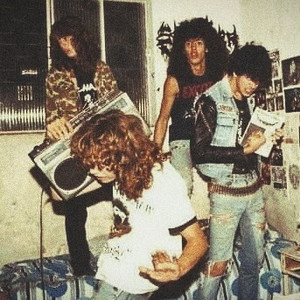 Thrash Metal & Crossover classic 80s&90s David | 5.58K |
3 | Thrash metal 80s/90s tschingo | 3.33K |
4 |  Stroom 〰 Autumn Winter Stroom | 3.31K |
5 |  Knekelhuis Discography Knekelhuis | 2.94K |
Audience| City | Monthly Listeners | |
|---|---|---|
1 |  | 20 |
2 |  | 17 |
3 |  | 15 |
4 |  | 14 |
5 |  | 12 |
See full performance history, audience data, playlist activity, rankings, comparisons, and more in Viberate music analytics. Start with a free trial, then continue with a paid plan.
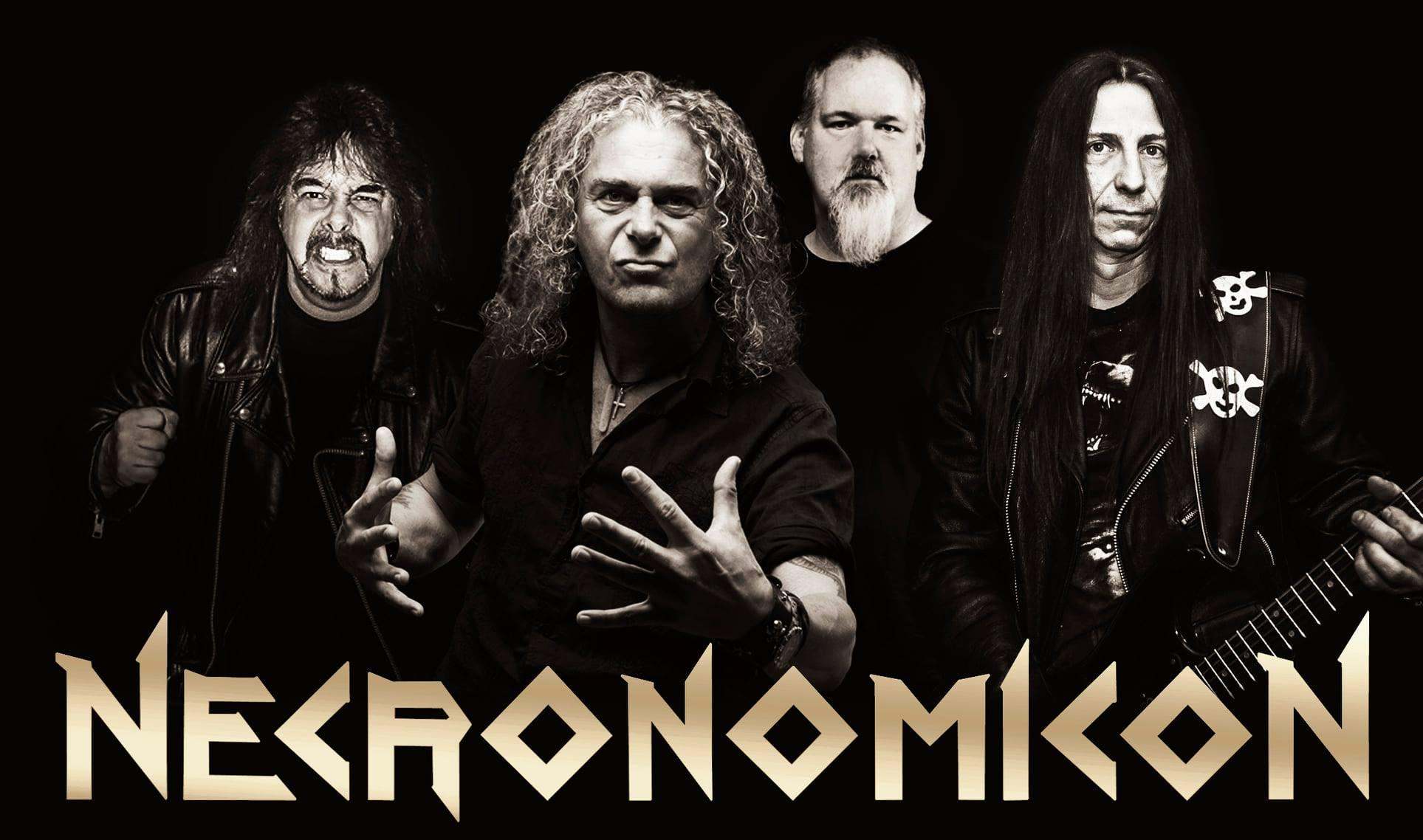
Necronomicon’s Spotify BioBefore heavy metal history became littered with bands named after the opportunistic book of fake spells and faux sorcery inspired by H.P. Lovecraft's works, these German thrashers were arguably the first Necronomicon, having formed in 1983 under the leadership of vocalist/guitarist Volker "Freddie" Fredrich, who would remain the group's only constant over the ensuing decades. Back at the beginning, Fredrich teamed up with Jürgen Weltin, bassist Lars Honeck, and drummer Axel Strickstrock for Necronomicon's first two albums: 1986's eponymous debut (which ironically showed four young men sporting punk-like Mohawks on its back cover, instead of more metallic mullets) and 1987's sophomore Apocalyptic Nightmare. Both of these featured a primitive brand of thrash reminiscent of Destruction's or Running Wild's efforts from a few years prior, therefore making them sound rather quaint for all but the most conservatively purist of thrash fans by then. And despite displaying a significant creative… growth spurt on their third album, 1988's Escalation (recorded as a trio, minus Honeck), Necronomicon decided to call it quits when their record company went bust soon after. But the three former bandmates weren't able to stay away for long, and by 1994 had recruited a new bassist named Bernhard Matt to record a fourth album, entitled simply Screams, in what amounted to a short-lived reunion, noticed by only their most devoted supporters. However, Fredrich, Strickstrock, and assorted new bandmembers still decided to give it yet another go ten years later, and both 2004's Construction of Evil and 2008's Revenge of the Beast carried on finessing the band's sound with power metal melodies. ~ Eduardo Rivadavia, Rovi
Viberate is a music analytics platform built for A&Rs, artist managers, labels, booking agents, marketers, and artists.
It helps music professionals track artist growth, analyze audience data, monitor playlist activity, compare artists, follow song performance, and identify opportunities across the music market.
Public artist pages provide a free preview of selected artist data. Paid plans provide access to deeper analytics, historical data, charts, comparisons, playlist tools, exports, alerts, reports, and additional professional features.
Yes. Public Viberate artist pages provide selected artist analytics and music data for free.
Viberate also offers a 7-day free trial of the full platform. A credit card is required to start the trial. The trial includes access to the complete product so users can test deeper artist analytics, historical views, playlist insights, comparisons, charts, exports, alerts, and reporting features before choosing a paid plan.
Viberate provides artist analytics across streaming, playlists, social media, video, radio airplay, songs, and audience markets.
Users can analyze Spotify performance, Spotify and Apple Music playlists, YouTube activity, TikTok and Instagram growth, radio spins, song performance, audience locations, demographics, rankings, and overall artist momentum.
Artist profiles also connect to music charts, similar artists, and comparison tools, helping users benchmark performance and evaluate artists in context.
Viberate updates key artist and track data daily.
For followed artists and tracks, selected data is refreshed multiple times per day. This helps teams monitor playlist changes, streaming movement, audience growth, releases, and campaign performance with more current data.
Update frequency can vary depending on the metric and data source.
Yes. Viberate lets users compare up to five artists side by side across streaming, social media, audience, and engagement metrics.
Users can compare fanbase growth, audience demographics, locations, Spotify performance, social metrics, and other artist data over selected time periods.
Artist comparison can be used for A&R scouting, benchmarking, booking decisions, campaign planning, and evaluating artists with similar audiences or market positions.