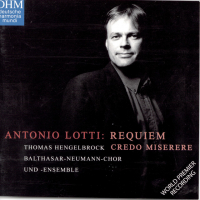
Antonio Lotti

Classical
Orchestral
Choral
 Viberate Rank: 253809
 Viberate Rank: 253809
 Monthly ListenersFollowers
 Subscribers
 Followers
 Followers
 FansTop Spotify Songs
| Track | 7-Day Streams | |
|---|---|---|
1 | 12.68K | |
2 | 6.49K | |
3 | 5.53K | |
4 | 2.97K | |
5 | 2.21K |
Top YouTube VideosMonthly ListenersFeatured in Playlists| Playlist | Followers | |
|---|---|---|
1 |  Traditional Catholic Latin Chants zekeezke | 193.82K |
2 |  Easy Listening Classical For Study, Work, Relaxing, Chillout, Anything But Serious Listening Ulysses' Classical | 99.24K |
3 | Best Gregorian Chants rallen519 | 89.73K |
4 |  Gregorian Chants & Hymns for Sleep, Study & Solitude Joseph Santiago | 82.71K |
5 |  Música clásica para sentirme un villano del siglo XVII JFueyo | 61.76K |
Audience| City | Monthly Listeners | |
|---|---|---|
1 |  | 1.53K |
2 |  | 730 |
3 |  | 635 |
4 |  | 608 |
5 |  | 590 |
See full performance history, audience data, playlist activity, rankings, comparisons, and more in Viberate music analytics. Start with a free trial, then continue with a paid plan.
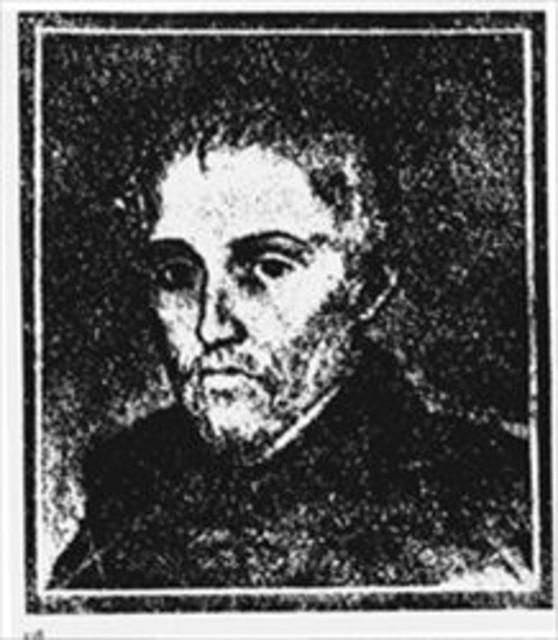
Antonio Lotti’s Spotify BioAntonio Lotti was an Italian Baroque composer of sacred and secular music. He was one of the top composers in Venice in the early 18th century and an important influence on his younger contemporaries, which included Bach, Handel, and Zelenka. He was born in 1667 in Venice, and while he was still a baby, his family moved to Hanover, where his father began an appointment as Kapellmeister. Later in 1682, he moved with his family to Venice, where he studied music with Lodovico Fuga and Giovanni Legrenzi at St. Mark's Basilica. Lotti's first professional appointment began in 1689, as an alto at St. Mark's. Three years later, he was promoted to the post of assistant to the second organist, and then he became the second organist in 1692. He was also active as a composer, and that same year, his debut opera, Il trionfo dell innocenza, was premiered in Venice. It was very successful, and Lotti's reputation quickly grew thereafter. In 1698, he published a book of masses, and in 1704, he was… promoted to the position of first organist at St. Mark's. For the next ten years he continued in his position at St. Mark's and composed over a dozen operas. It was also around this time when he met the famous soprano Santa Stella, whom he married in 1714. She sang in several major opera productions of the time, including Lotti's Sidonio, Achille placato, and La forza del sangue. From 1717 to 1719, Lotti and his wife were employed at the court of Friedrich August I, Elector of Saxony in Dresden. Lotti was tasked with composing Italian-style operas for the King's newly formed Italian opera ensemble, and he completed Giove in Argo, Teofane, and Li quattro elementi. J. S. Bach was also in Dresden in late 1717 for a highly publicized keyboard duel against Louis Marchand, and he could have met Lotti there, but there is no record of any such encounter. After Lotti fulfilled his obligations in Dresden, he stopped composing theatrical works altogether and returned to Venice in 1719, where he resumed his duties at St. Mark's. Additionally, he served in an unknown position at St. Maria dei Carmini, and he became highly respected as a music educator. Some of his more prominent students included Baldassare Galuppi, Benedetto Marcello, and Domenico Alberti. In 1736, he became the Kapellmeister at St. Mark's, and he continued teaching and composing until his death in 1740. ~ RJ Lambert, Rovi
Viberate is a music analytics platform built for A&Rs, artist managers, labels, booking agents, marketers, and artists.
It helps music professionals track artist growth, analyze audience data, monitor playlist activity, compare artists, follow song performance, and identify opportunities across the music market.
Public artist pages provide a free preview of selected artist data. Paid plans provide access to deeper analytics, historical data, charts, comparisons, playlist tools, exports, alerts, reports, and additional professional features.
Yes. Public Viberate artist pages provide selected artist analytics and music data for free.
Viberate also offers a 7-day free trial of the full platform. A credit card is required to start the trial. The trial includes access to the complete product so users can test deeper artist analytics, historical views, playlist insights, comparisons, charts, exports, alerts, and reporting features before choosing a paid plan.
Viberate provides artist analytics across streaming, playlists, social media, video, radio airplay, songs, and audience markets.
Users can analyze Spotify performance, Spotify and Apple Music playlists, YouTube activity, TikTok and Instagram growth, radio spins, song performance, audience locations, demographics, rankings, and overall artist momentum.
Artist profiles also connect to music charts, similar artists, and comparison tools, helping users benchmark performance and evaluate artists in context.
Viberate updates key artist and track data daily.
For followed artists and tracks, selected data is refreshed multiple times per day. This helps teams monitor playlist changes, streaming movement, audience growth, releases, and campaign performance with more current data.
Update frequency can vary depending on the metric and data source.
Yes. Viberate lets users compare up to five artists side by side across streaming, social media, audience, and engagement metrics.
Users can compare fanbase growth, audience demographics, locations, Spotify performance, social metrics, and other artist data over selected time periods.
Artist comparison can be used for A&R scouting, benchmarking, booking decisions, campaign planning, and evaluating artists with similar audiences or market positions.