 Viberate
William Byrd
 GBRClassical, Choral
N/A monthly listeners
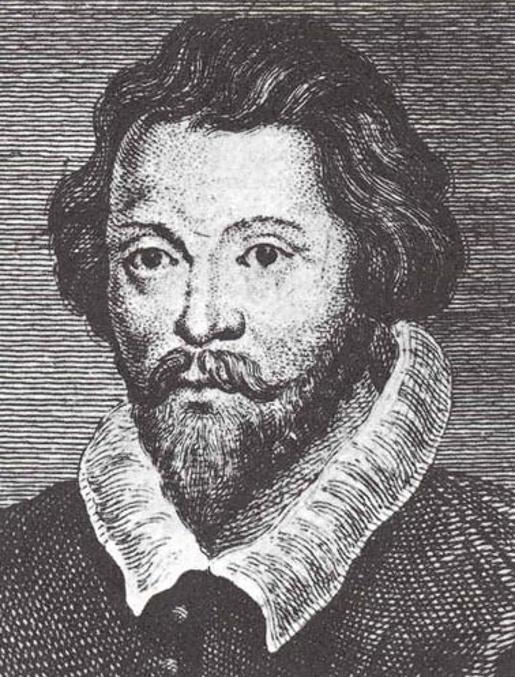 GBRClassical, Choral

William Byrd was a prominent composer from the United Kingdom, known for his contributions to classical music, particularly in the choral subgenre. Active during the late 16th and early 17th centuries, he created a variety of sacred and secular works that showcased his skill in vocal harmony. Byrd's music played a significant role in the development of English choral tradition, blending influences from the Renaissance with his unique style. His compositions remain an important part of choral repertoires today, reflecting the rich musical heritage of his time.
William Byrd's music has a lasting presence in the world of classical and choral works. One standout piece, “Byrd: Pavana Lachrymae (After Dowland's 'Flow My Tears'),” showcases his skill in blending emotion with melody. Another significant composition is “Non, Nobis Domine,” which reflects his mastery of sacred music.
Byrd’s “Ave verum corpus” from his *Gradualia* collection is a popular choice among choirs, appreciated for its serene quality. Other noteworthy tracks include “O salutaris hostia,” “Memento salutis auctor,” and “Pavan.” The charm of “My Ladye Nevels Grownde” and “Will yow Walke the Woodes soe Wylde” highlights his ability to create engaging instrumental pieces.
Tracks like “Blessed Is He That Fears the Lord” and “Fantasy a5” round out his diverse catalog. Byrd's music continues to resonate, drawing in listeners and performers alike with its depth and beauty.
William Byrd's latest album, "Renaissance Era Classical," released in 2025, showcases his enduring influence on classical and choral music. The collection features a range of pieces that reflect the rich traditions of the Renaissance period. Alongside this, "Forest Murmurs" and "Great Sacred Choruses," both also set for release in 2025, continue to explore themes of nature and spirituality through choral arrangements.
In addition to these albums, Byrd has released notable singles like "William Byrd: Mass for Four Voices, T 1: Agnus Dei," which came out in 2025. Other recent tracks include "Byrd: The Bells, BK 38" and "Byrd: Sing Joyfully (Arr. Pierini for String Quartet)," both from 2024, along with "Mass for Four Voices: IV. Sanctus" from 2023. Each piece contributes to his legacy in choral music, inviting listeners to experience the harmony and complexity of his compositions.
William Byrd's music has found a home in various prestigious venues and festivals. Notably, performances at the Muziekgebouw aan 't IJ have showcased his choral works, drawing attention from audiences who appreciate early music. The acoustics of this venue elevate the intricate harmonies found in Byrd's compositions.
At the Chapelle Royale, Byrd's pieces resonate with the rich history of choral music. This venue has hosted several performances that highlight his contributions to the genre. In addition to these prominent locations, Byrd's music has also been featured in various early music festivals across Europe, emphasizing the enduring appeal of his work.
Other notable appearances include performances at the Boston Early Music Festival and the Utrecht Early Music Festival, where ensembles dedicated to his music continue to attract devoted listeners. Byrd's influence remains significant in the choral landscape, with his works regularly performed in both concert settings and education.
William Byrd's collaborations reflect a blend of historical and contemporary interpretations of his work. One notable partnership is with the Choir of King’s College on “Ave verum corpus.” This piece showcases Byrd's mastery in choral composition, bringing a sense of reverence and clarity to the performance. The choir's precise vocal harmonies enhance the sacred nature of the piece, making it a significant interpretation of Byrd's liturgical music.
Another interesting collaboration is with Voces8 on “O salutaris hostia a 6, T. 184.” This piece highlights Byrd's skill in polyphony, with Voces8 delivering a nuanced performance that captures the intricate layers of the composition. Additionally, Shani Diluka's interpretation of “Pavana Lachrymae (After Dowland's 'Flow My Tears')” offers a fresh piano perspective, merging Byrd's melodic lines with a contemporary touch. Each of these collaborations brings Byrd's work to new audiences, demonstrating the timelessness of his music.
Viberate is a professional music analytics service that provides a complete data overview of William Byrd, covering audience data, Spotify playlists and stats, individual track performance, and cross-platform metrics including Spotify, YouTube, streaming, and radio airplay analytics. The platform also includes full social media analytics across Instagram, TikTok, and Facebook, as well as insights from Apple Music playlists, SoundCloud, Beatport, Shazam, and Deezer, alongside artist charts, streaming charts, genre charts, and genre analytics to support A&R discovery, benchmarking, and strategic decision-making.
